Netflix Is Adding Short Videos From Major Websites. Here's What That Means.
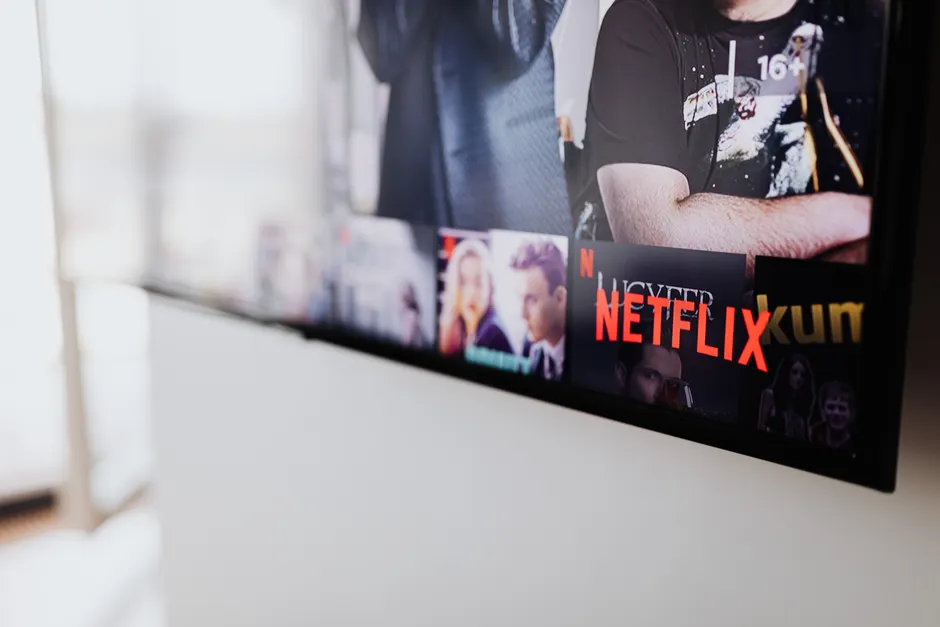
Netflix is adding short videos from popular websites like BuzzFeed, Condé Nast, and Variety starting August 3, 2026. These videos will appear right on Netflix's homepage, mixed in with the regular movies and TV shows you normally watch.
The videos Netflix is adding come from two places: some are older content that originally appeared on YouTube, and some are brand new videos made specifically for Netflix. Examples include design tours from Architectural Digest and celebrity interview clips from Vanity Fair. Most videos run between 3 and 20 minutes long, covering topics like food, travel, fashion, and home design.
Netflix says it wants to be "the place to find content from around the Internet without having to leave Netflix." The company may add more publishers and websites over time.
TechCrunch reported this deal on July 7, 2026, before Netflix made its official announcement.
The timing is worth noticing. Around the same time as this announcement, reports surfaced that Netflix viewers stop watching some shows after the first season — in fact, some second seasons lose up to 70 percent of their audience from season one. Netflix hasn't officially said this new short-video deal is meant to keep people watching longer, but the connection is hard to miss: Netflix is adding the same type of quick, easy-to-watch lifestyle videos that keep people scrolling on YouTube and TikTok for hours.
This is different from short videos Netflix has made on its own. Here, Netflix is simply showing videos that other companies made and owned. The big websites keep control of the videos themselves and the creators who make them. Netflix is acting like a TV provider showing channels it doesn't own. This also raises questions nobody in the reports answered: how much money does Netflix pay these websites, what ads appear in the videos, and how does Netflix count views of these videos when it talks about how much people are watching. These details matter a lot to the websites' advertising teams.
For the websites publishing on Netflix, the deal makes sense. Netflix has over 300 million people watching it worldwide. That's way more viewers than most of these publishers can reach on YouTube, where videos get buried among millions of others. These major publishers like Condé Nast and Hearst have spent years making videos, but YouTube doesn't guarantee people will find their content. Netflix's homepage, by contrast, puts videos right in front of viewers. Trading some potential money for guaranteed visibility is a smart choice.
It's also worth thinking about what Netflix is really trying to do here. If Netflix truly wants to be a place where you find "all content from around the Internet," it's not just a TV subscription service anymore — it's becoming more like YouTube, where you scroll through an endless mix of content. Whether people actually want to watch 3-minute design videos on Netflix the same way they watch two-hour movies is still unknown. Netflix doesn't usually release detailed numbers about how many people watch these short videos, so we probably won't know if this experiment works.
For the people who work at these publishing companies, this also means more work. They'll need to figure out how to prepare videos that work well with Netflix's system, much like they once had to do for Snapchat and a short-lived app called Quibi.
If Netflix keeps adding more publishers as it says it will, this becomes a real test: can a Netflix-style subscription service pull viewers away from YouTube's free, endlessly scrollable videos. The answer to that question will probably become clear over the next few months.


