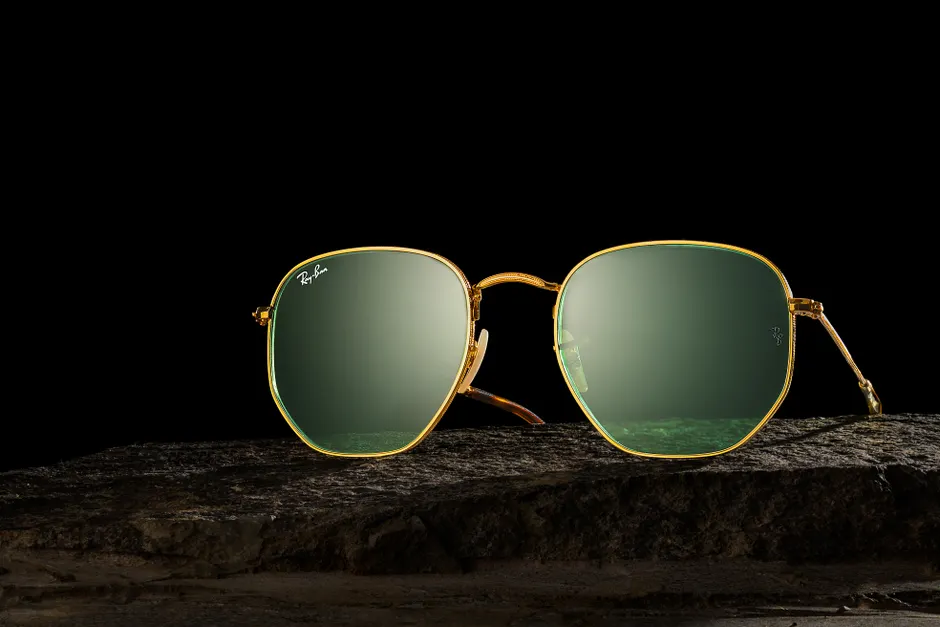
Meta's Smart Glasses Will Stop Recording If You Disable the Camera Light
Meta has added a new safety feature to its AI glasses. If someone tries to disable or cover the small light that shows when the camera is recording, the glasses will automatically stop recording altogether.
Meta announced this in July 2026 on its official company blog Meta. The company revealed that some people had found a way around the recording light by taping over it or trying to break it, so they could record video without other people knowing. The new feature is designed to prevent that.
Meta's glasses have a small light next to the camera that turns on whenever the glasses are recording. This light is meant to tell people around you that you are filming them. That only works if the light cannot be disabled. After Meta made the glasses stop recording when the light was covered, some users figured out how to actually damage or remove the light itself.
Now, the glasses use a system that detects if the light has been tampered with. If it has, the camera shuts down completely. Meta says no other camera company has done this before.
Figuring out how to detect tampering is tricky. The system needs to know the difference between a light that burned out naturally—which should be fixable under warranty—and one that someone deliberately broke to hide recording. Meta has not said exactly how it tells the difference, only that it does.
What matters most here is what this announcement reveals. Smart glasses with cameras have worried people about privacy since Google Glass came out more than ten years ago. Back then, people were upset because you often could not tell if someone was filming you. Meta designed its glasses with that recording light specifically to avoid that problem. Now the company is admitting that people found ways around it anyway. This proves the privacy concern was real.
There is still a question of whether this fix will actually work. Someone with skills in electronics might still find a way to defeat the tamper detection system, since Meta has not explained exactly how it works. Tech experts will probably test it once the glasses are widely available. When a company claims to be "first" at something, that is a sales pitch, not proof that it actually works better than anyone else's solution.
This is part of a bigger picture. Meta wants to make AI glasses something everyone wears and uses every day, like smartphones. But that only works if people trust the recording light. Over the past twenty years, cameras have gotten smaller and more hidden—from big camcorders to phones to smart glasses. Each time, the camera became harder to notice, so manufacturers had to find new ways to show that recording was happening. A light that cannot be broken is one answer. Whether it is good enough will depend on what happens when millions of people actually own and use these glasses.
Meta did not say how many people tried to disable the light or when this new safety feature will be added to glasses that are already out there.