The Big Sunlight Moment on July 8: Here's What's Actually Happening
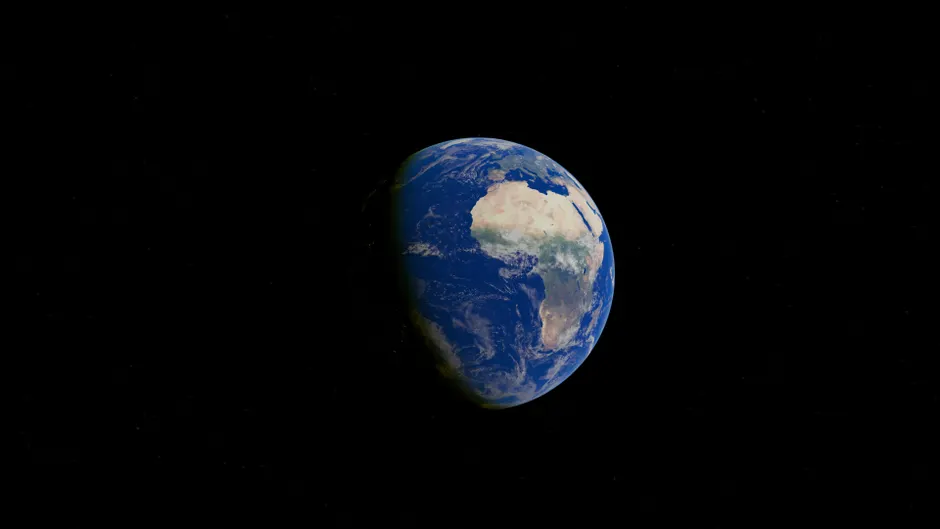
On July 8, 2026, at 11:10 AM GMT, roughly 99% of Earth's people — about 8.2 billion — will be in daylight or twilight at the same time. That means North America, South America, Europe, Africa, and most of Asia will be lit up by the sun. Australia, New Zealand, parts of Southeast Asia, and Antarctica will be in darkness.
According to Al Jazeera, this moment will last roughly one minute. The "terminator line" — the boundary between day and night on Earth — then shifts as our planet keeps rotating.
Here's the catch: this isn't a rare event. In 2022, someone posted on Reddit that July 8 was special and claimed this alignment happened only on that day. It spread online. But when Time and Date (a website that tracks astronomy and time) checked the claim, they found something different. This kind of coverage actually happens nearly every day for about two months—from roughly mid-May through mid-July, centered around the June solstice (timeanddate.com).
Why doesn't the maximum sunlight moment happen exactly on the June solstice? The answer comes down to where people actually live. After the solstice, the sun's position shifts southward. This reduces daylight in empty polar regions like Arctic Canada and Siberia, but adds daylight to crowded equatorial zones like Indonesia and the Philippines. That shift brings roughly 10 million more people into sunlight, pushing the peak percentage to late June or early July instead of the solstice itself.
Since that Reddit post, the story comes back almost every July—tied to whichever day is closest to the 8th. Major outlets like National Geographic and The Washington Post have run versions of it (nationalgeographic.com, washingtonpost.com), while EarthSky's coverage was more careful, noting that the phenomenon happens on "multiple dates, not only July 8" (earthsky.org).
What makes this story interesting isn't the astronomy—it's how a catchy, specific-sounding claim spreads. Once a date and time get attached to a plausible fact, they stick, even when that fact has been fact-checked many times over. The real story is simpler and messier: for roughly two months every year, there are many moments when the sun lights up most of the planet at once. July 8 at 11:10 GMT is one of them, but it's not unique.