Oil Jumped Again: Here's What the Back-and-Forth Actually Means for Your Money

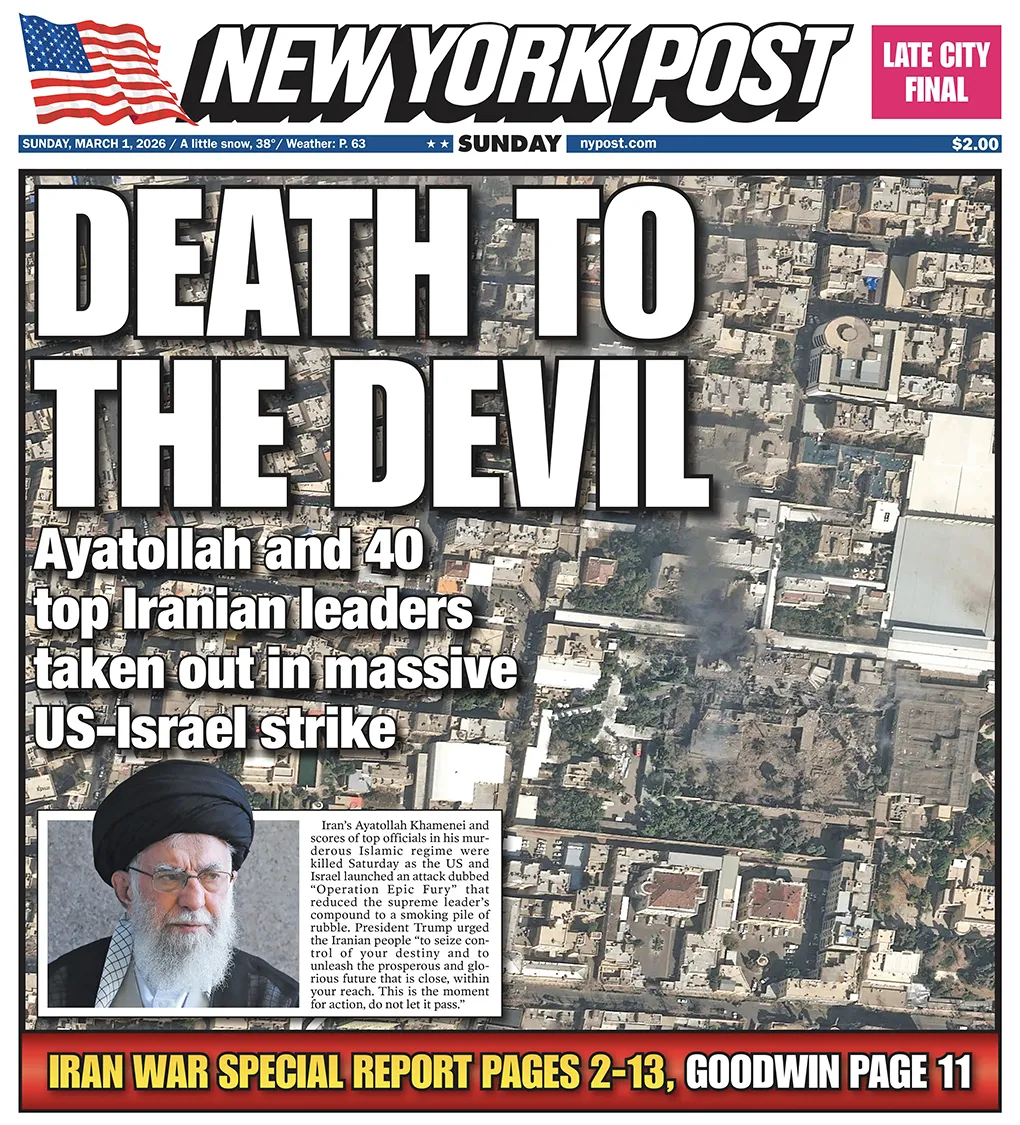
Oil prices jumped nearly 3% on July 8, 2026, after the U.S. launched military strikes against Iranian targets, according to Times of India. But here's the thing: oil has been doing this all year. It spikes when tensions flare, drops when things calm down, then spikes again. That pattern matters more than any single day's move.
The timeline tells the real story. Starting in early March, U.S. and Israeli strikes on Iran sent oil prices climbing, per WSJ. By early June, after Iran and Israel exchanged fire, oil hit $98 a barrel—the highest point of the year, WSJ reported. Then things settled down.
Within three weeks, oil had fallen sharply—dropping to below $70 a barrel by late June, WSJ noted. That's a swing of about $30 per barrel in just 21 days. Anyone who bet that oil would keep rising got hit hard when it reversed. Anyone betting it would keep falling got hit the other direction when it bounced back up this week.
Britannica's account of the 2026 Iran war describes the conflict as an ongoing series of exchanges rather than a single event. This matches what we see in the price moves: quick flare-ups, quick pull-backs, then flare-ups again. Each cycle squeezes faster, making it punishing for investors trying to profit from the swings.
Stock markets, surprisingly, haven't moved much with the latest oil jump. On July 8, the broad U.S. stock index closed down just 0.07% from the day before, Trading Economics shows. Back in June, tech stocks were so strong they balanced out the geopolitical worry. But why are stocks so calm now, with oil spiking?
One possibility: investors believe this conflict will stay contained—strikes and counterstrikes—rather than spiraling into a broader regional war that would choke off shipping routes and cause real supply damage. Or it might just be that big tech companies are so big they're masking trouble everywhere else in the market. The headline number matters less than what's happening beneath the surface.
The Federal Reserve released notes from its June 16-17 meeting at 2:00 p.m. ET on July 8, per the Federal Reserve's official calendar. Here's the catch: those notes were written when oil was near $98 a barrel. Now it's much lower, even after this week's spike. So the Fed's discussion of whether high energy prices would push up inflation might already look outdated—even before today's strikes.
For anyone trying to guess what the Fed might do next with interest rates, this is worth keeping in mind. The Fed was worried about oil pushing up prices. But oil has moved so much since that meeting that their concerns may not match reality anymore.