Oil Prices Plunge 6% as US and Iran Pause the Fighting
Oil prices fell more than 6% on July 27, 2026, after the United States paused nightly strikes on Iran for a second consecutive night, opening a window for diplomacy that sent oil prices tumbling and affected currencies, stocks, and precious metals.
The US halted its bombing campaign on July 25, 2026, following nearly two weeks of nightly strikes. The military had announced a 12th night of operations as recently as July 22, according to AP News. The pause was extended for a second night on July 26, Bloomberg reported. Iran signaled it would stop its own attacks as long as the US kept the pause going, according to an Iranian source cited by Reuters.
How Markets Reacted
The easing of tensions caused a big shift across financial markets. US oil was estimated at $51.42 per barrel and international oil at $55.08. The decline was described as the largest single-day drop since the COVID-19 pandemic, according to reporting tracked by the Philippine Inquirer. Reuters had reported oil slipping more than 5% on July 26 as the pause took hold, with CNN subsequently putting the decline at over 6% on July 27.
The US dollar weakened on July 27 as oil dropped, Reuters reported. When global tensions ease, investors often move money out of the dollar, which is seen as a safe place to park cash during crises, and into riskier investments like stocks. Gold rose more than 1% in the same session, which might seem surprising. The reason: cheaper oil eases worries about rising prices in the economy, but the truce itself feels shaky, so people still want gold as a safety net.
Mike Waltz signaled that the pause would allow space for diplomatic developments, CNN reported. Oman held talks regarding the Strait of Hormuz as the US and Iran extended their pause, Bloomberg reported. The Strait of Hormuz is a narrow waterway through which roughly a fifth of all the world's traded oil and natural gas passes, according to AP News.
Why This Truce May Not Last
Deutsche Bank analyst Jim Reid described the pause as "fragile" and warned that oil prices could rise again if the truce collapses, the Telegraph reported. The caution is well-grounded: this is not the first pause in the conflict. AP News documented an earlier ceasefire on July 12, 2026, when both sides stopped strikes for a second straight day after days of escalation, only for nightly bombing to resume by July 22. An earlier oil-price reaction to a prior pause saw crude fall 4.9% to $92.02 per barrel, according to AP News, before the fighting started again.
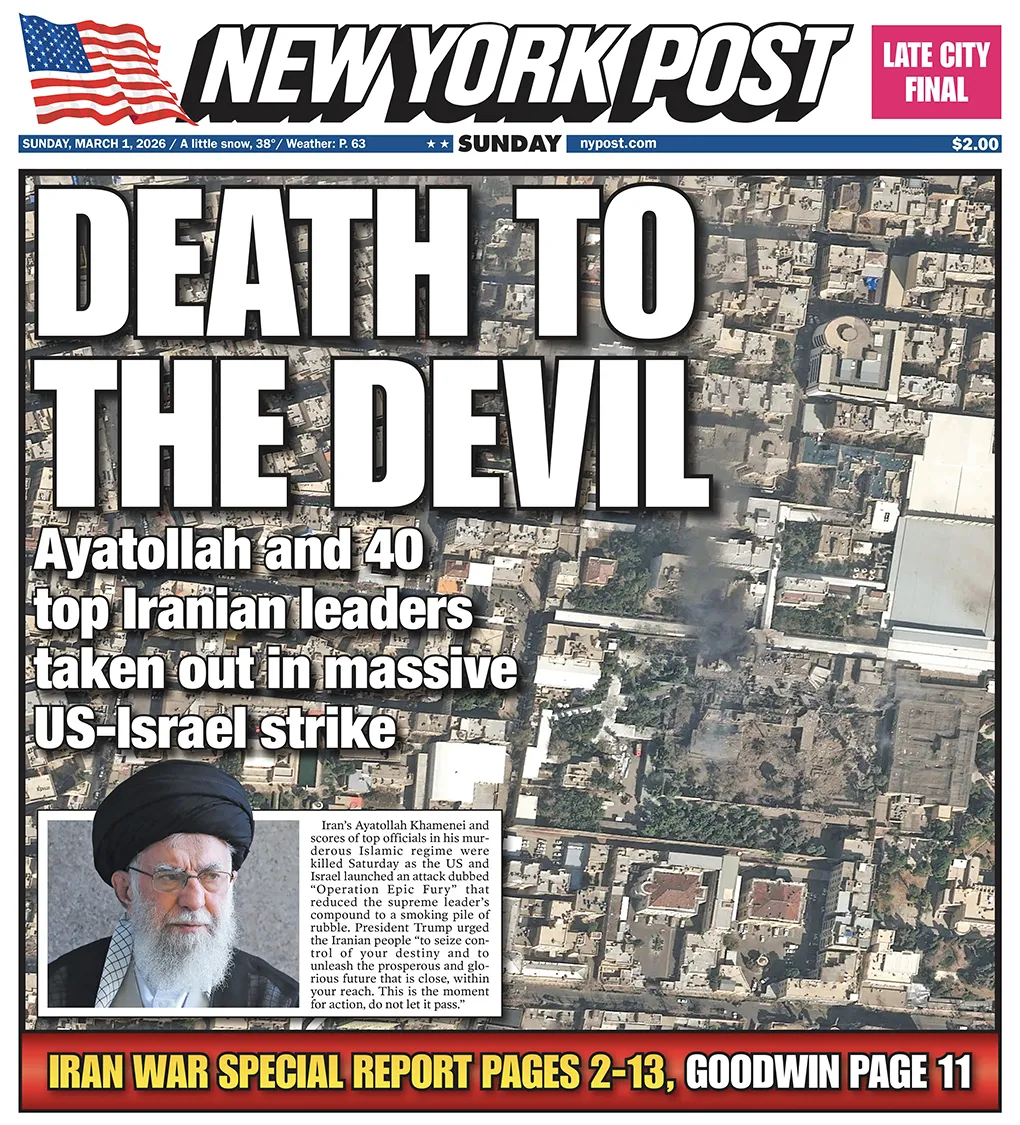
The current conflict traces to the White House's announcement of "Operation Epic Fury" on March 1, 2026, described as a military operation aimed at crushing the Iranian regime and ending its nuclear threat. The White House claimed in January 2026 that it had "destroyed Iran's nuclear weapons capability through coordinated military action, sanctions escalation, and other measures." Chief Pentagon Spokesman Sean Parnell has referenced a "12-day war between Iran and Israel" that resulted in a ceasefire, an apparent earlier phase before the sustained US campaign.
Not all regional tensions eased with the pause. Fighting between Houthi rebels and Saudi Arabia intensified as the US halted its nightly strikes, Bloomberg reported on July 25. Red Sea tensions rose as the second night of the pause held, complicating the broader security picture even as the US-Iran channel quieted.
The wider market response matched the oil move. Airline stocks surged on hopes the war would end, MarketWatch reported in May during an earlier de-escalation episode, a pattern consistent with the current session. The dollar's retreat and gold's simultaneous rise capture the competing forces: lower oil eases pressure on prices in the economy and encourages investors to take risks, but the shaky nature of the pause keeps people looking for safety.
What This Means for Everyday Money
For savers and borrowers, the immediate effect is lower gasoline and energy costs if the pause holds. Cheaper oil also matters for the Federal Reserve's decisions on interest rates: lower energy prices feed directly into inflation, which is the rate at which prices for everyday goods and services rise. If oil stays cheap, it could strengthen the case for the Fed to cut interest rates, which would affect mortgage rates, credit card rates, and savings account returns.
The broader context here is that markets are betting this calm will last, but that bet comes with a big "if." Reid's description of the pause as "fragile" is the key qualifier. Two prior ceasefires in this conflict collapsed within days. The talks over the Strait of Hormuz, mediated by Oman, are the diplomatic signal to watch. Any disruption to that narrow waterway would send oil prices back up fast.
What is known: the US and Iran have paused strikes for two nights, oil has fallen over 6%, the dollar has weakened, and gold has risen. What markets are betting on: a lasting de-escalation and a return to diplomatic talks. What is uncertain: whether this pause holds longer than the previous two.