South Korea's Stock Market Just Entered 'Bear' Territory. Here's What That Means
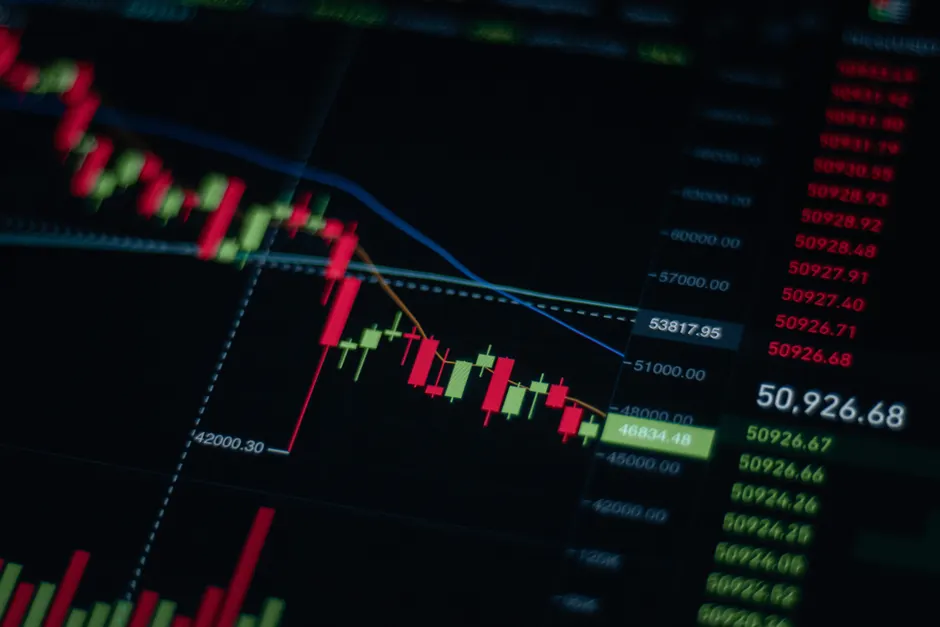
South Korea's main stock index, the Kospi, dropped 20% from its highest point in June. On July 7, 2026, that decline crossed a threshold that traders call a bear market — a term that simply means a big sustained fall in stock prices.
The real story starts on June 23. The Kospi fell nearly 10% in a single day, catching many traders off guard. Two major companies — Samsung Electronics and SK Hynix, both big chip makers — lost over 12% each before trading was paused for 20 minutes to cool things down. What sparked this crash? Two things collided at once. First, technology stocks were weakening globally. Second, South Korean regulators warned investors about the risks of a specific type of investment product called leveraged ETFs — think of them as bets that use borrowed money to magnify gains and losses. When regulators issued that warning, people started selling these products, which forced a cascade of losses through the market.
The selling didn't stop. By early July, chip stocks fell again as investors worried more broadly about investments tied to artificial intelligence. And by July 7, the Kospi had fallen the full 20% from its June high, meeting the technical definition of a bear market. South Korea's finance minister then issued a public statement about the decline.
Why does this matter beyond Korea? The Wall Street Journal noted that this is happening across Asia right now. The boom in AI-related stocks that lifted markets through spring has paused. South Korea's decline is really about global chip prices and how much the world is willing to pay for companies that supply AI infrastructure — which Samsung and SK Hynix do. It's not about Korean companies suddenly getting worse at their jobs.
The leverage story is important to understand. Leveraged ETFs let people use borrowed money to multiply their investment gains — or losses. When the market dropped and the index halted on June 23, people who'd borrowed to buy these products faced margin calls, meaning they had to sell quickly to cover losses. That selling pressure made the market fall even harder, a pattern called amplification. Anyone watching how volatile Korean stocks have become over the past two weeks would see that volatility has spiked beyond what historical patterns would predict.
Here's the honest part: the 20% drop might be the end of the decline, or it might just be a stopping point on the way down. The finance minister's comments were a reaction to what already happened, not a prediction of what comes next. The bear-market label itself is just a way of naming losses that are already in the books. The real question for investors is whether global chip prices will recover and whether companies will keep spending on AI. If they do, Samsung and SK Hynix could lead a bounce back up. If they don't, South Korea's dependence on just a few big chip companies means there's not much else in the index to hold up the market.


