Chip Stocks Crashed, Oil Got Cheaper — Here's What It Means for Your Money

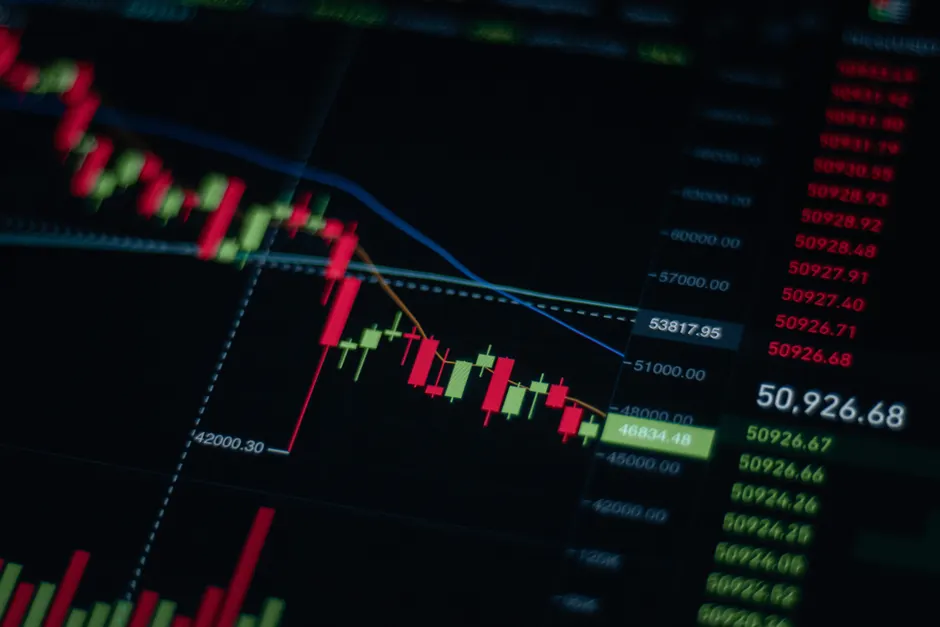
Shares in major computer chip companies fell sharply across the US and Asia on August 6, 2026. The drop was part of a broader sell-off in stocks tied to artificial intelligence, and there were warning signs from the bond market about whether all the money being spent on AI will pay off (BBC, Yahoo Finance).
South Korea's stock market, called the Kospi, led the declines. It dropped more than 10 percent in a single day, which automatically triggered a short pause in trading — a built-in safety measure known as a circuit breaker (Financial Times). When a safety switch like that gets tripped on a major country's stock market, it's a sign of real stress. Korea matters here because it's one of the biggest producers of the memory and processing chips that power technology worldwide.
The chip-stock decline has been building over the first week of August. Two worries are driving it: whether the huge amounts of money being poured into AI will prove worthwhile, and growing competition from China in the AI race (Yahoo Finance). Economist David Rosenberg pointed to the Chinese competition factor as the core issue, saying it's a long-term challenge to the companies currently dominating AI hardware — not just a temporary panic (Business Insider).
The bond market has added to the anxiety. Bonds are essentially IOUs that companies issue to borrow money. When bond investors start demanding higher interest rates from AI-related companies, it means they see a growing risk that those companies might struggle to repay. That's what's happening now (Yahoo Finance).
Here's why that matters. Bond investors tend to be the cautious ones — they're lending money, not betting on growth. So when they start pricing in more risk than stock investors are, it's worth paying attention. Bond markets often smell trouble before stock markets do.
The selloff hitting Korea so hard is no accident. Chip companies make up such a large share of the Korean stock market that a problem for chips becomes a problem for the whole market — enough to trigger those circuit breakers. A 10 percent drop in a day is also big enough to ripple through the computer-driven trading systems that many large investment funds use.
Oil prices have been falling too, but for a completely different reason. On August 4, 2026, the price of Brent crude — a key global oil benchmark — fell $4.41, or 5.3 percent, hitting a three-week low after reports of progress in talks between the US and Iran (Reuters). This extended a pattern from earlier in the summer: on June 17, Brent dipped nearly 1 percent, adding to prior declines of about 5 percent, amid hopes for peace and the reopening of the Strait of Hormuz — a narrow waterway that carries a large share of the world's oil (Al Jazeera). Back in January, oil had already dropped on similar optimism, with the Dow Jones Industrial Average also falling that day (WSJ).
The Strait of Hormuz story has been a recurring theme all year. Every time there's a sign that tensions between the US and Iran might ease, some of the fear premium gets stripped out of oil prices — that's the extra cost baked in when people worry about supply disruptions.
Cheaper oil matters for everyday finances. When oil stays cheap, it pushes down inflation — the rate at which prices rise across the economy. Lower inflation, in turn, affects whether central banks cut interest rates, which influences everything from mortgage payments to stock prices.
The result is that two big forces are pulling in different directions at once. The chip selloff is dragging down tech-heavy stock indexes, while falling oil is easing cost pressures in a way that generally helps stock prices. Which one wins out in the short term depends on whether the bond market's warnings about AI spending turn into actual financial trouble, or whether this is just investors reshuffling their bets.
For now, the known facts are these: chip stocks are under sustained pressure, a major Asian stock market was halted after a 10 percent drop, bond markets are flagging risk in AI spending, and oil keeps falling as US-Iran tensions ease. Everything else is speculation.