Wildwood: A Fantasy Film Built One Frame at a Time, Opening October 23
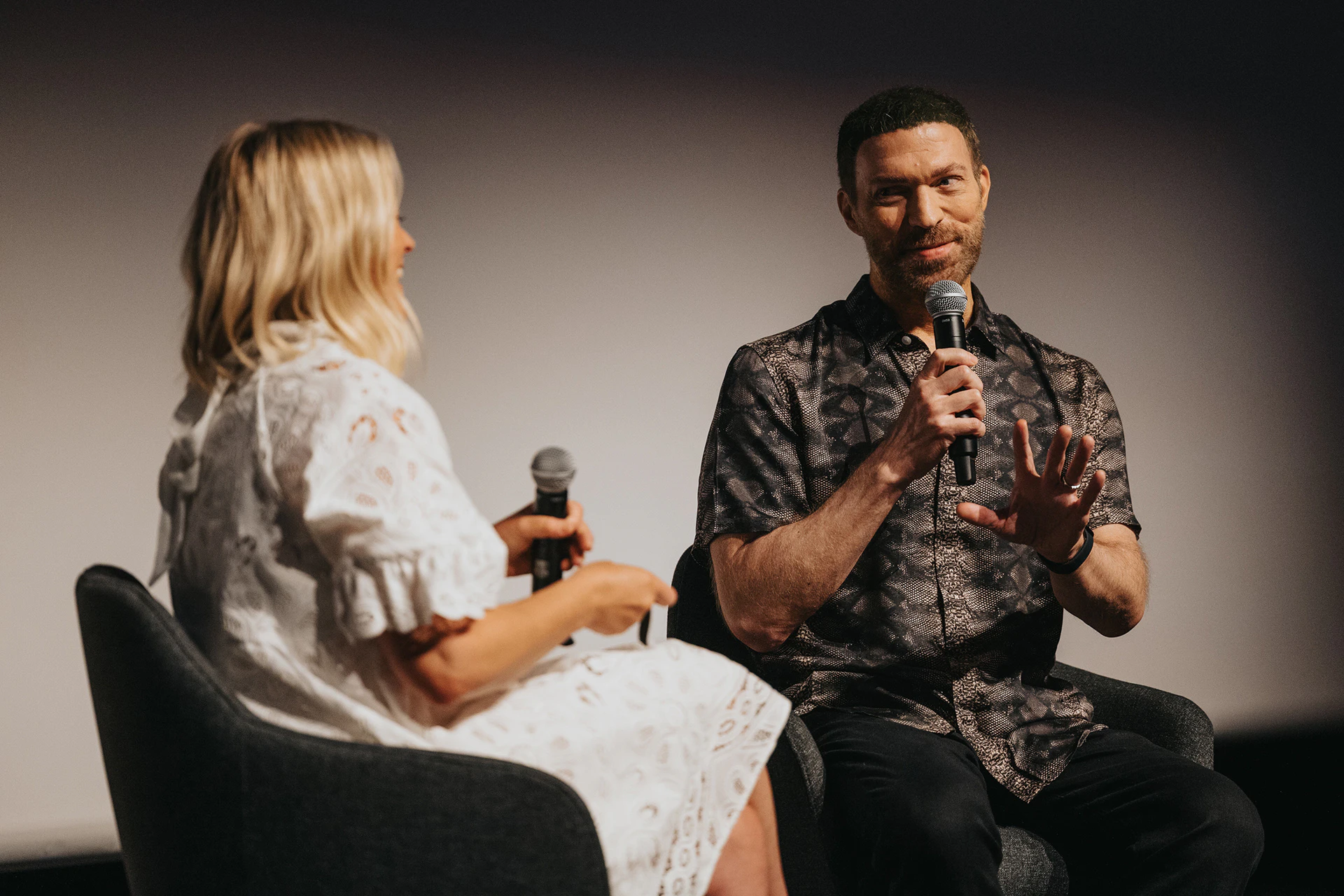
LAIKA's stop-motion fantasy movie Wildwood premieres on October 23, 2026. The film took five years to make. The Verge reported the production details in an interview with the director. Tickets are on sale now, according to LAIKA's website.
Stop-motion films are made by posing physical puppets and photographing them one frame at a time. Each small change in pose becomes one picture, and the pictures played in sequence create movement.
Travis Knight, the studio's president and CEO, directed the film. He previously directed Kubo and the Two Strings and Bumblebee. LAIKA is based just outside Portland, Oregon. The studio describes Wildwood as a love letter to that home.
The film required a physical build at a scale the studio has not described before. More than 230 puppets were made. Of those, 36 were built for the main character, Prue, alone. A team of 49 animators moved the puppets, and more than 1,000 artists worked on the film in some way. Some puppets have diaphragms, small flexible parts that let animators show breathing. The effect shows in even the smallest movements of the characters.
LAIKA calls Wildwood its biggest and most ambitious film to date. Knight told the Associated Press that the film contains everything he loves in one movie, and that it is the best thing LAIKA has ever done.
The most pointed part of Knight's recent remarks concerns generative AI, which is software that creates images, text, or other content from a prompt. In his interview with The Verge, he said generative AI is the opposite of everything LAIKA stands for. He said he is firmly opposed to technology doing the work of the artist, because he believes the output contains no humanity.
The broader context here is a question that studios across the animation industry are working through. The question is where automated tools fit into a process built on human judgment. Stop-motion makes that question easy to see. Each frame is a physical pose, set by hand and photographed, so the performance lives in the puppet and in the person moving it. Knight's position is clear, and it comes from the head of the studio. It is not a neutral technical assessment. Readers can weigh it against their own view of how generative tools should be used in creative work.
In my view, the most useful way to read the production numbers is as a measure of time and labor. Five years, 49 animators, and more than 1,000 contributors add up to a large, slow, and deliberate effort. That is the idea Knight is defending. Whether audiences respond to the handmade look on screen will be the first real test of his argument, and it comes within a day of the premiere date.
For readers who follow technology, one way to see the film is as a working system. The tool is the animator's hands, and the schedule, the crew size, and the puppet count play the role of engineering constraints. That framing is mine, not the studio's.


