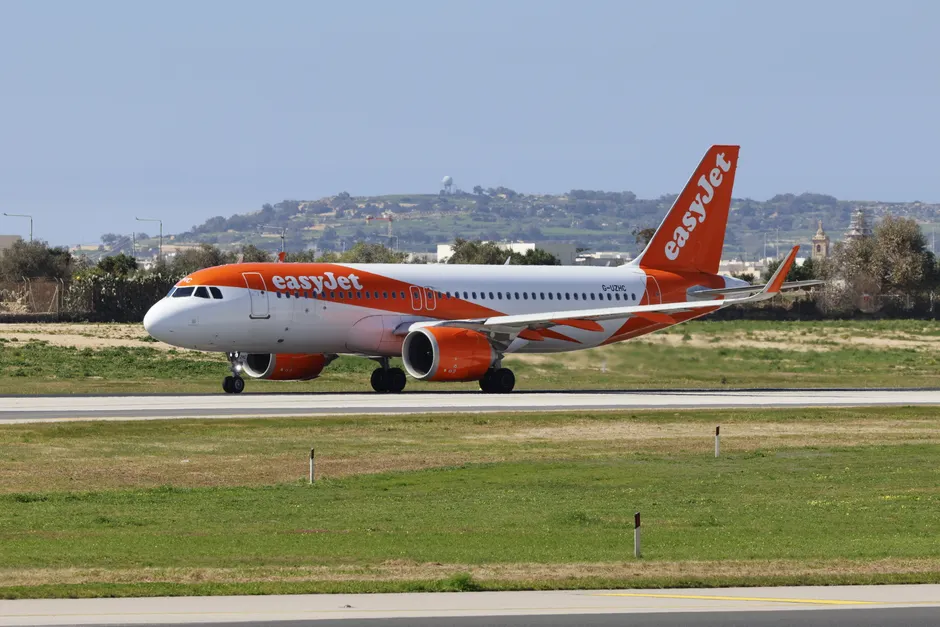
How Middle East Tensions Stopped People Booking Holidays—and Why They're Back

How Middle East Tensions Stopped People Booking Holidays—and Why They're Back
Jet2, Britain's biggest package holiday company, reported on Wednesday that summer bookings shot up 7.1% compared to last year. The company's stock price rose about 10% in early trading on the news. The Guardian
The airline carries roughly 20 million passengers a year. Its executives linked the surge in bookings to something simple: travelers who had put off holiday plans because of the Middle East conflict felt comfortable booking again once a ceasefire took hold. Turkey, Cyprus, the Greek islands, Bulgaria, and parts of north Africa saw the biggest increases — the destinations most directly affected by concerns about the conflict.
Just a few months earlier, Jet2 had sounded a warning. In late April, the company reported slower bookings and blamed the Middle East tensions for making people hesitant about traveling. Reuters At that point, Jet2's passenger numbers were growing 6.2% year-on-year — a slowdown from the 7.9% growth the company had reported in February. That dip tells the story: uncertainty about the conflict made people pause. Now that the fighting has stopped, they're booking again.
Jet2 had planned for growth. In February, it announced 20 million seats available for summer 2026, about 8% more than the previous summer. The company slightly trimmed that number in April but is still adding capacity. The company's own financial reports now credit booking momentum directly to reduced geopolitical worry. Jet2 plc Jet2 plc
Other disruptions are hitting the airline at the same time, though they have nothing to do with the Middle East. The European Union rolled out a new border system requiring fingerprinting and facial recognition, and this has created long queues at major airports. Airport and airline operators have asked Brussels to delay the rollout, but the European Commission has refused. Jet2 said its own flights have not been delayed as a result — the queues are happening at border control, not at the airline's check-in gates, where Jet2 has direct control.
Travelers' habits are also shifting in ways that last beyond any single crisis. The UK travel trade body Abta found that 84% of people planning a summer holiday abroad are choosing short-haul destinations. More significantly, 30% are booking just two to four weeks before they fly. That matters to airlines: if a third of passengers book within a month of departure, airlines lose the visibility they need for planning crew schedules and managing ticket prices. Jet2's booking data shows exactly this pattern — a sharp dip when the conflict worried people, then a rapid spike as bookings rushed in. Without this compressed booking window, the dip would have been smoother and spread across the whole season. Some travelers who hesitated about going abroad booked staycations in UK holiday parks and hotels instead, suggesting the caution earlier in the year shifted demand rather than killing it altogether.
The recovery is real, but it sits on uncertain ground. Jet2 itself called the ceasefire "fragile," acknowledging that peace is not permanent. The 10% jump in the stock price reflects relief that booking numbers came in ahead of the caution the company itself had flagged in April — it does not necessarily mean investors believe the conflict is resolved. They may simply be pleased that a feared problem did not materialize this quarter.
What happens next depends on whether this recovery lasts. If the ceasefire holds and travelers stay confident about holidays to Mediterranean and north African destinations, Jet2's summer will be strong. If fighting resumes or travelers become anxious again, bookings could reverse quickly. The company will hold its annual shareholder meeting in September, when it typically updates investors on the peak summer season. That update will tell us whether Wednesday's bounce reflects a genuine shift in how confident travelers feel — or just pent-up demand that squeezed into a few weeks and might not repeat.