Why EasyJet's Profits Just Collapsed — and What It Means for the Airline's Future
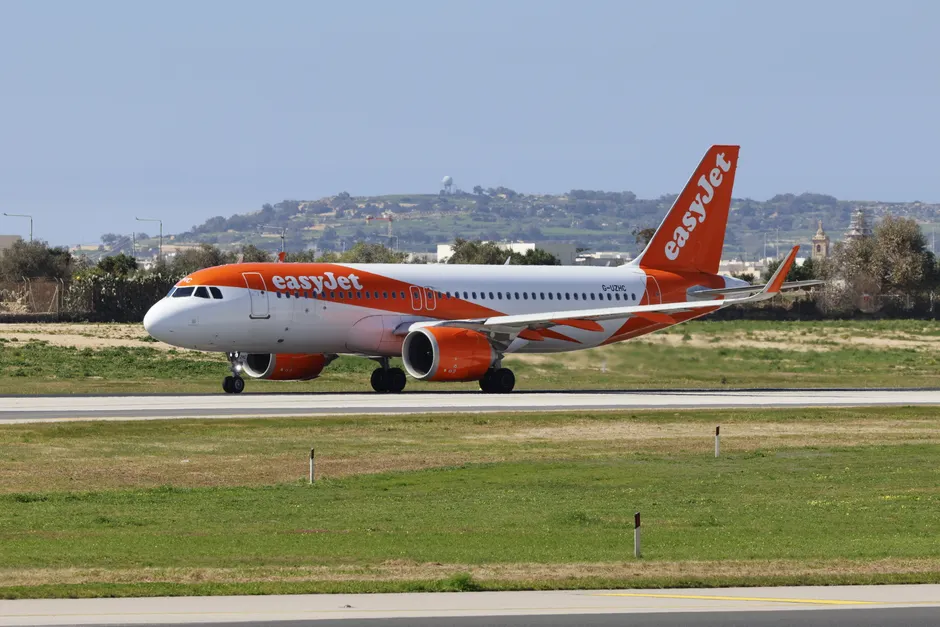
EasyJet made a profit of £85 million between April and June 2026. That sounds like a lot, but it is 70% less than the £286 million the airline earned in the same three months a year earlier. The biggest reason: fuel costs linked to the Iran conflict took £105 million out of the airline's earnings. Shares rose more than 5% in early trading on July 23, 2026, partly recovering from a 10% drop the day before. The Guardian
Two things caused the profit drop. The first is a sharp rise in jet fuel prices after fighting broke out in the Middle East in late February 2026. In May, EasyJet said the price of jet fuel had reached $1,350, and that every $100 increase in that price added about £35 million to its fuel bill. Reuters The second factor is that passengers have been booking later than usual, waiting to see what happens in the world before committing to trips. EasyJet said on July 23 that bookings had started to improve, but the late-booking habit was still there. The company had already warned in April that it expected a bigger loss for the first half of the year, blaming Middle East fuel costs and legal bills. Reuters
EasyJet is not the only airline struggling. Ryanair reported a 34% drop in profits to €538 million (£457 million) for the three months to the end of June 2026, saying jet fuel prices had doubled because of the Iran war. IATA, the trade group that represents most of the world's airlines, also cut its 2026 profit forecast in June, pointing to fuel costs and disruption from the conflict. Reuters The fact that both major budget airlines are seeing the same problem tells us this is an industry-wide fuel shock, not something specific to EasyJet.
These results come while EasyJet is in the middle of being bought. The board first accepted a £5.5 billion offer from a company called Castlelake, then switched to a higher £5.7 billion offer from Apollo Global Management, worth more than £7 per share. But the deal is not guaranteed to go through. EU rules say that airlines operating in Europe must be at least 51% owned by EU-based shareholders, and a possible review of those rules has raised questions about whether the Apollo deal can get approved.
The ownership question is the bigger long-term risk. Apollo, a US-based investment firm, would need to make sure enough of EasyJet's shares stay in EU hands to meet the 51% threshold. If the rules get tighter during a review, the deal could be delayed or blocked. On top of that, EasyJet is now earning far less money than it was a year ago, which creates a tension: Apollo is buying a company whose profits have just been cut by more than two-thirds.
EasyJet does still have a financial cushion. As of 30 June 2025, the airline had £803 million more in cash than it owed in debt. It also has an €850 million bond (a type of loan from investors) issued in March 2024 and a $1,750 million loan backed by UK Export Finance. The company also reported a loss of £552 million ($741.39 million) for the first half of its financial year. Reuters
Kenton Jarvis, EasyJet's chief executive, is now dealing with two challenges at once: handling the impact of higher fuel costs caused by a war, and making sure the takeover by Apollo survives regulatory checks. The share-price recovery on July 23 suggests investors are not expecting an immediate collapse of either the deal or the business. But a 70% drop in profit is a tough starting point for the months ahead, especially if the Iran conflict keeps pushing up fuel prices and passengers keep delaying bookings.
The wider picture here is a story about how a war in one part of the world can hit a company thousands of miles away. The conflict in the Middle East pushed up oil prices, which pushed up jet fuel prices, which cut into EasyJet's profits, which spooked investors, which now complicates the airline's sale. That chain of events is visible — and it is not limited to one airline.


