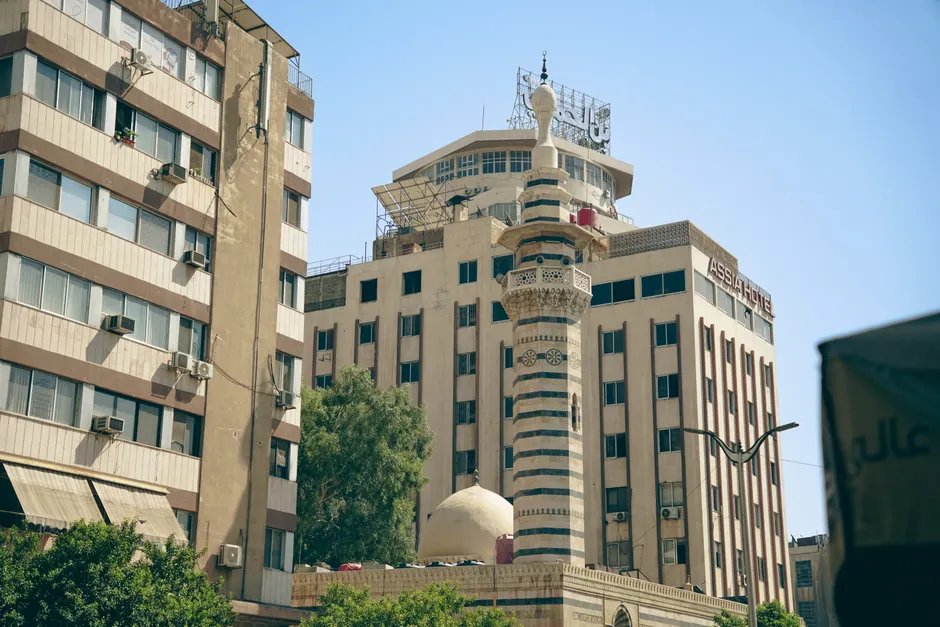
Two Bombings Rock Damascus During French President's Historic Visit
Two explosions tore through Damascus on July 7, killing at least one person and injuring 36 others near the Ministry of Tourism building. It was the second deadly bombing in the Syrian capital in just five days, and the first to happen while a major foreign leader was visiting since the longtime ruler Bashar al-Assad was forced from power Al Jazeera.
The blasts occurred at 10:15am local time. One bomb was hidden in a trash can on the side of the road; the other was placed inside a parked car SANA. According to news reports, Syrian security forces were trying to safely remove the devices when they went off, which explains why people were nearby when it happened Reuters. The blasts occurred near the Four Seasons Hotel, where French President Emmanuel Macron had been staying, though Syrian officials say the explosion happened outside the protected area where the French delegation was supposed to be Al Jazeera. A Syrian government spokesperson said the explosions posed no direct danger to Macron and that investigators had already begun following leads about who was responsible. No group has claimed responsibility for the attack.
Macron was in Damascus for a historic reason: he was the first European Union leader to visit Syria since Assad fell from power in late 2024 Reuters. The bombings interrupted his planned meeting with Syria's new president, Ahmed al-Sharaa. However, a major French shipping company still signed a business deal with Syria during the visit Reuters, suggesting that diplomatic and business work continued despite the security incident.
These bombings follow another attack on July 2 at a cafe in central Damascus that killed between 9 and 10 people and wounded dozens Reuters Al Jazeera.
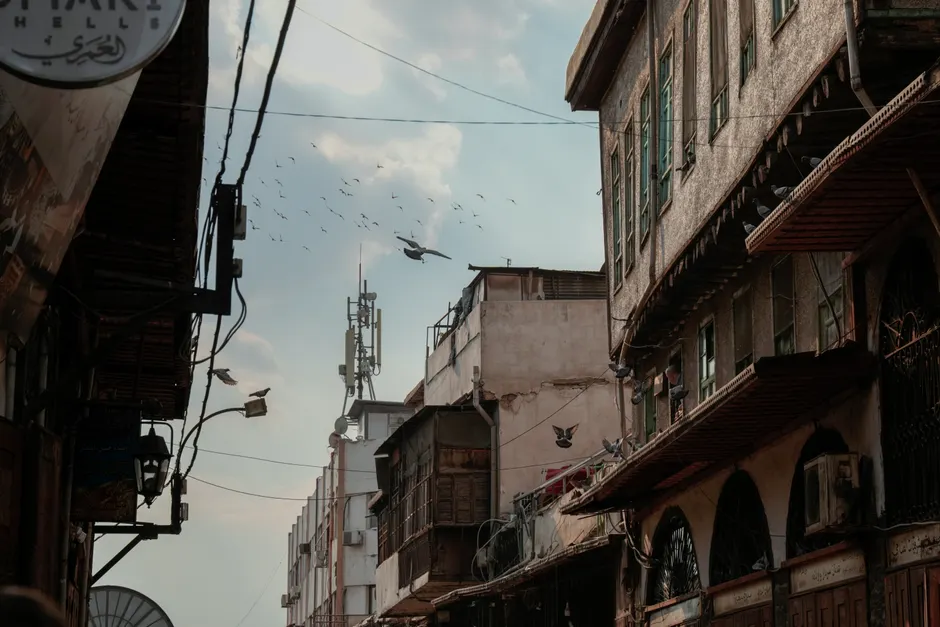
Syrian authorities responded by flooding Damascus with armed security forces. They set up checkpoints at main intersections, created blocked-off zones with concrete barriers, and began searching all vehicles at government buildings, courts, and foreign embassies Al Jazeera. The governor of Damascus explained the challenge: the city has actually become safer since Assad's government fell, but that improvement is now attracting people who want to destabilize the new leadership.
According to an unnamed Syrian security official, the country's intelligence forces have been finding large quantities of explosives and armed drones linked to Iran's Revolutionary Guard on an almost daily basis. This official blamed the July 7 bombing on someone with ties to Iran-backed militant groups. However, this claim has not been confirmed by independent sources, and no one has been formally charged Al Jazeera.
Countries around the world condemned the attacks. Turkey, Arab nations, and the United Nations Secretary-General all issued strong statements rejecting violence against civilians SANA SANA SANA. Syria's interior ministers also met with their Jordanian counterpart to discuss ways to improve security cooperation SANA.
If Iran-backed groups are truly behind these attacks, it would fit a wider story. When Assad lost power, Iran lost its closest partner in the Middle East. Now, bombing campaigns could be one of the few ways Iran can cause trouble for Syria's new government, which has been moving closer to Turkey, Gulf countries, and Western Europe. The timing of the bombing—right when Macron was visiting and while bomb experts were working on the devices—raises a question: was the attack aimed at the French president, trying to undermine the Syrian government's ability to protect foreign leaders, or both? Syrian officials' insistence that Macron was never in danger may be as much about politics as facts: Damascus wants to prove it can safely host important Western visitors less than two years after Assad's fall.
The big unknown is whether Syria's investigation will eventually name those responsible publicly, or whether the case will go cold like many other regional attacks blamed informally on Iranian proxies.