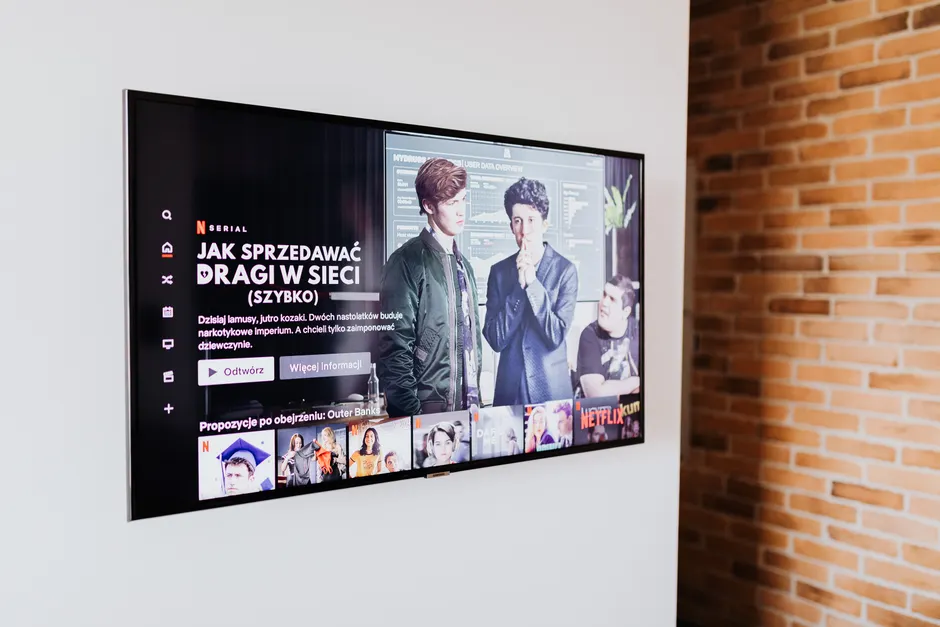
Smart TV owners are using AI to remove ads and redesign their screens

Smart TV owners are using code written by AI chatbots, along with free open-source tools, to remove sponsored ads, strip out unneeded software and change how their home screens look. The Verge reported the trend on October 23, 2026. TechCrunch had covered it on October 19 under the headline "People are using AI to make their smart TVs dumb again."
Three projects are at the center of the activity: Cleanyourtv, tv-detox and dumbtv. Their developers say each one removes sponsored content, cleans up the operating system so it runs faster, and blocks the collection of viewing data. The tools do this without hacking the TV or "rooting" it, which means gaining full administrator control of the device. Cleanyourtv was previously known as tv-vibehack until the 19th. By default, all three replace the TV's built-in app launcher, the menu that shows your apps, with simpler alternatives.
The method uses features that manufacturers already include. Most of the projects target TVs running Android or Google TV, including sets from TCL, Hisense and Sony, as well as older Amazon Fire products.
Owners turn on a developer mode and send commands through Android Debug Bridge (ADB). Think of ADB as a service door that manufacturers leave open for programmers. Because the tools use that door, they need no root access and no changes to the firmware, the core software that runs the set. The changes can also be undone. Some Fire TV products that run a custom version of Android can work with the tools. They are unlikely to run on new Vega-based Fire TV Sticks.
Changes to the interface follow a separate route. Android allows third-party launchers, meaning replacement home screens. Many of the custom versions were built with Claude Code or a similar AI coding assistant. One user turned the home screen into a Pokémon town. A webOS version for LG sets, based on Cleanyourtv, streams an Apple TV-style launcher from a device that stays on, on the same home network.
The tools have clear limits. Samsung's Tizen and LG's webOS have no comparable option that avoids rooting, so owners of those sets would need to root the TV to make similar changes. The tools do not work with Roku or Vizio's SmartCast.
The scale of the activity is also reported. Android Authority described hundreds of smart TV owners using AI to write their own fixes for ads and bloatware on Android TVs. "Vibe-coding" is the term for building software by describing what you want to an AI. A viral Claude Code prompt, covered by Yahoo Tech on October 20, lets Android TV owners switch off sponsored rows and tracking software and build their own home screens. The Verge's headline blames the trend on frustration with TV operating systems.
In my view, the most important part is who controls the screen. The default home screen, including which apps are promoted and which data is collected, has been set by the manufacturer and its platform partners. These projects hand those decisions to the owner, using tools that do not require a programming background. Whether that holds for every user is an open question. The prompts and scripts still require a developer mode, a computer and a willingness to type ADB commands.
The broader context here is upkeep. A home screen built this way is only as durable as the next software update. Reversibility matters for a similar reason. An owner who wants the original interface back can restore it, which makes the experiment low-risk in a way that rooting is not.
On balance, the trend suggests a television can be a general-purpose screen whose software the owner chooses. Whether manufacturers respond by locking down developer access or by offering cleaner options of their own is worth watching. For now, a set that once arrived with a fixed interface can be reshaped by the person who owns it.