Your Smart TV May Have Been Sharing Your Internet With Strangers. Samsung Is Banning the Apps Behind It.
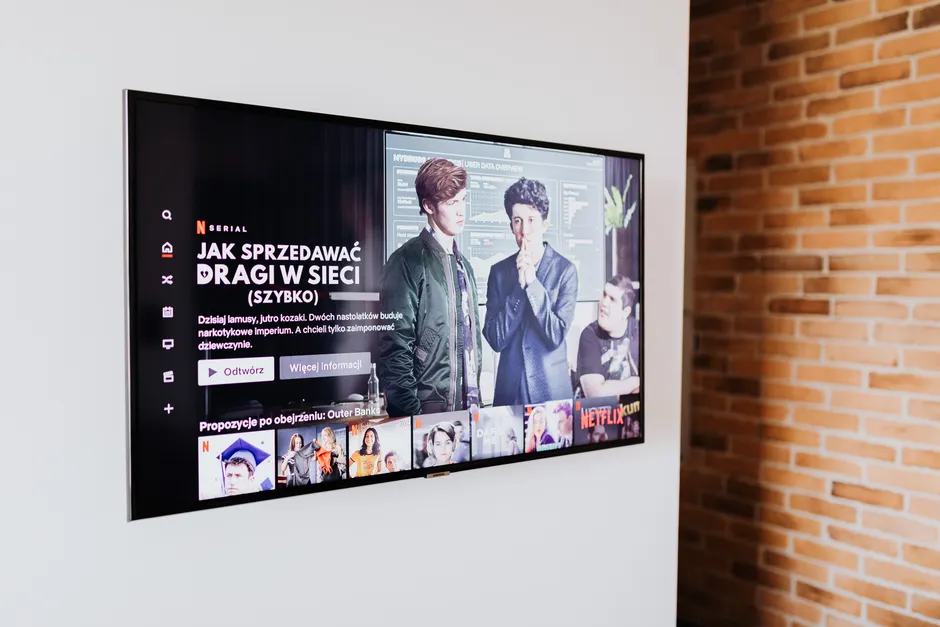
Samsung has banned smart TV apps that secretly share users' internet connections with outside parties and will remove existing apps that do this from its app store. The company said it has already stopped accepting new apps with this capability and is writing new rules for app developers that explicitly forbid it. Samsung is also working to find and remove all apps already in its store that contain this hidden functionality. The ban was first reported by TechCrunch on August 3, 2026.
Here is what was happening. Some smart TV apps included hidden code that turned the TV into a relay point for other people's internet traffic. Think of it like someone secretly routing their mail through your home address so that if anyone traces where the mail came from, it leads to you, not them. The apps could do this even when the person was not actively using them, because smart TVs stay connected to the internet around the clock.
The move follows security research from Norwegian cybersecurity company Mnemonic, which found that low-quality apps with risky code were spreading across Samsung's app store. Harrison Sand, a security consultant at Mnemonic, said: "What was reviewed is not necessarily what is running." That means the code Samsung checks when an app is submitted may not match what the app actually does once it is installed on a TV in someone's home.
The scale of the problem is large. Security firm Spur scanned 6,038 LG and Samsung smart TV apps and found 2,058 contained this hidden relay code, according to research published in June 2026. Spur found that 26.5% of Samsung smart TV apps contained it, while 42.5% of LG apps did, as ZDNet reported. A company called Bright Data accounted for most of this hidden code found across both Samsung and LG apps, KrebsOnSecurity reported.
Some of the affected apps claim to have been installed on hundreds of millions of smart TVs, according to their developers. One was a Pac-Man game that Samsung had endorsed and featured in its Editor's Choice section. With this hidden code running, a smart TV effectively becomes a pathway for unknown third parties' internet traffic, with the homeowner's internet address appearing as the source.
Samsung is the second major TV manufacturer to take action against these apps this summer. LG said in July 2026 it would ban apps containing the hidden relay software after reporting found around 42% of apps on its app store had it. Samsung has led the global TV market in sales since 2006, with 2025 marking its 20th year in the top position, per the company's own investor reporting.
The problem extends beyond televisions. The same hidden code has been found in phone apps, digital photo frames, and streaming boxes, all sharing the device's internet connection with outside operators.
The technology behind this, called a residential proxy, is not inherently illegal. Some people use proxies to get around internet censorship, and AI companies increasingly use them to collect data from websites. But cybersecurity companies say these networks are also used by hackers and intelligence services to carry out cyberattacks while hiding where the activity is coming from. The same features that make them useful for legitimate purposes, anonymity and a distributed trail of internet addresses, also make them attractive for malicious use.
What makes the smart TV situation distinctive is that consumers do not expect their television to be routing other people's internet traffic. The always-on nature of smart TVs means the hidden relay can run continuously without the user ever opening the app. When a Pac-Man game can secretly serve as a pathway for traffic that may involve illegal activity, the gap between what an app appears to do and what it actually does becomes a consumer safety issue.
Samsung's decision to ban the hidden code outright, rather than trying to regulate it, mirrors LG's approach and suggests the TV industry is settling on a zero-tolerance stance. Given that more than a quarter of Samsung apps and over 40% of LG apps in Spur's scan contained this functionality, the removal process will affect a lot of software.
In my view, the real question is whether Samsung can reach devices already sitting in living rooms. Banning the code from the app store is a necessary and straightforward step. But purging it from TVs that people already own and use is a much harder problem, and Samsung has not publicly said how it plans to address that. The policy is forward-looking; the installed base is where the difficulty lies.


