The Iran Deal Fell Apart in Two Weeks—Here's Why It Matters

President Trump said on July 8, 2026 that the deal he signed with Iran in June is finished. Within hours, the two countries traded military strikes, ending a ceasefire that had lasted only two weeks CNN. Oil prices jumped 7%, with investors worried about disruptions to shipping through the Strait of Hormuz—a narrow waterway where much of the world's oil passes Virginia Business.
This collapse is the third major turn in three months. In April, Trump announced a ceasefire just 90 minutes before a deadline he had set. The White House said in a statement called "Peace Through Strength" that Iran had agreed to stop fighting and reopen the Strait so that talks could continue White House. Iran, though, had called the American offer "unreasonable" during those same talks AP. The stock market went up 2.5% when the ceasefire was announced, but that positive outlook did not last AP.
Two months later, things looked like they were getting better. On June 17, Trump signed a document called a Memorandum of Understanding (MOU) with Iran at Versailles, a famous palace in France. A White House statement said this deal would reopen the Strait and require Iran to get rid of its nuclear weapons White House White House. Signing at Versailles—a historic location—was meant to make it look like a major diplomatic achievement.
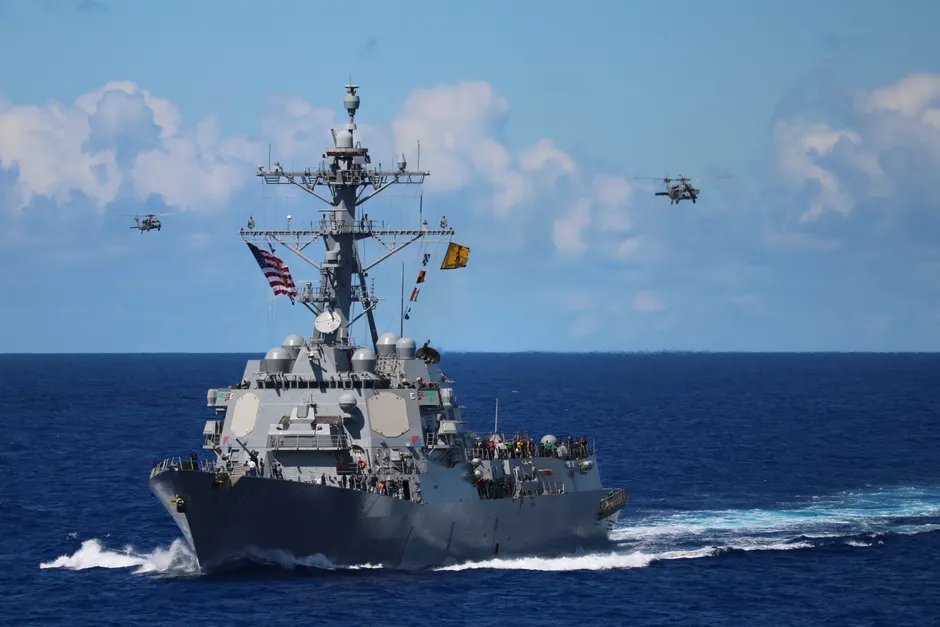
But at the same time, the Pentagon was planning for war. In June, the Department of War published a headline saying "U.S. Plans Major Strikes on Iran," written by Defense Secretary Pete Hegseth DoW. The military also mentioned "Project Freedom," a plan to send Navy ships to protect commercial vessels traveling through the Strait DoW. This meant the administration was talking about peace while preparing for renewed fighting.
One key point kept showing up in every negotiation: control of the Strait of Hormuz. Trump said on social media that he would stop strikes if Iran opened the Strait "COMPLETE, IMMEDIATE, and SAFE" Truth Social. This demand appeared in the April ceasefire, the June agreement, and now shapes what happens next.
Something else worth noting: the White House barely mentioned Iran between June 29 and July 7. When the agreement fell apart on July 8, there were no recent statements on their official website to explain what had happened White House. This silence was different from the steady stream of announcements in April and June.
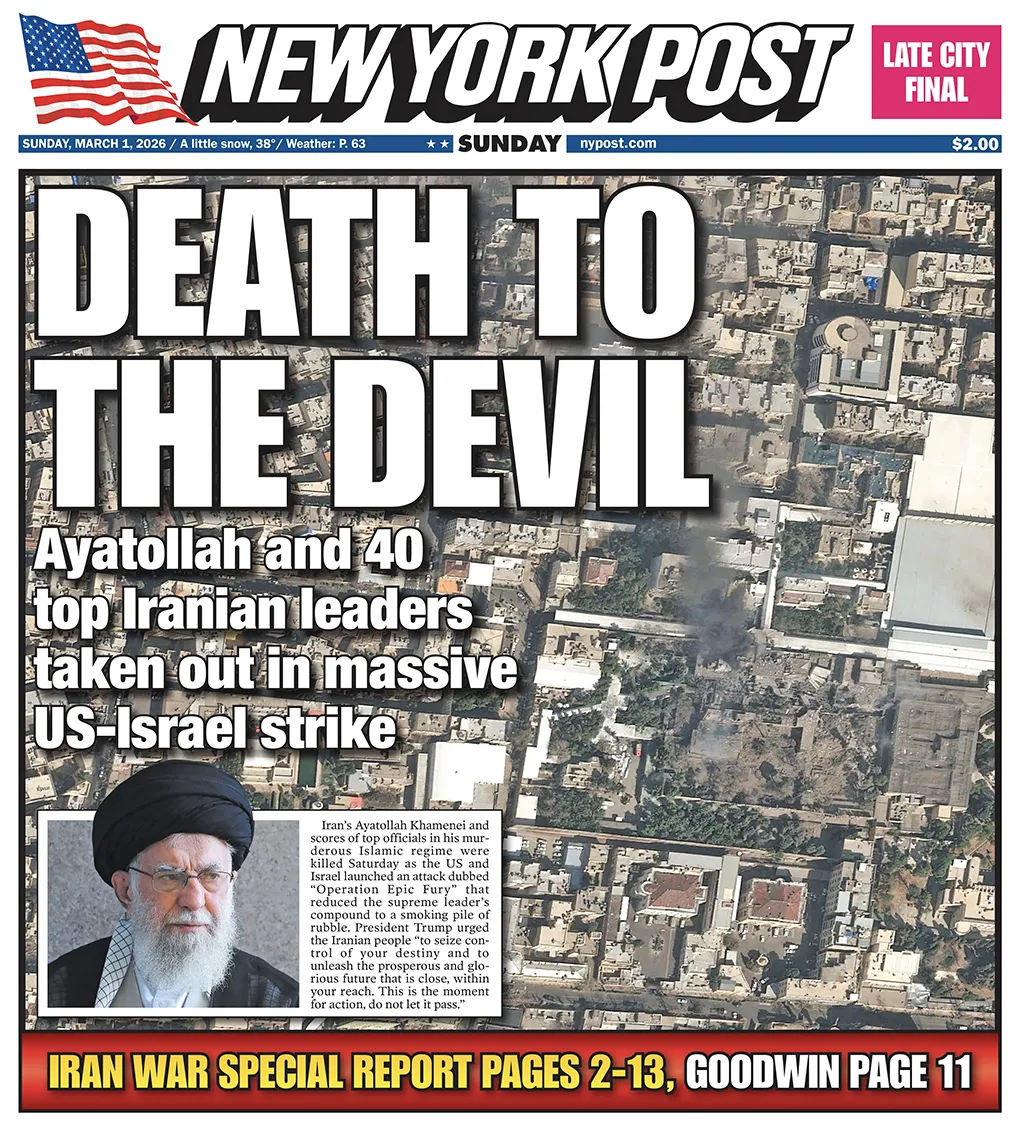
Behind the scenes, there is a legal tool that never stopped being in effect. In February 2026, Trump signed an executive order declaring an emergency with respect to Iran, which gives the government power to use sanctions White House. This emergency order was in place before the April ceasefire and before the June agreement. The key point: agreements like ceasefires and MOUs can be canceled by either side, but an emergency declaration is a standing power that stays active no matter what deals are made or broken.
For the economy and shipping companies, what matters most is whether the Strait gets closed. The 7% jump in oil prices is based on worry about what could happen, not on proof that ships are actually blocked. In the coming days, watch whether the Department of War brings back "Project Freedom"—the plan to send Navy escorts through the Strait. That move will show how seriously the Pentagon is willing to act to keep oil flowing through a waterway that has now been the central issue in every round of negotiations and every breakdown.