What Happened: The US and Iran Are Fighting Again
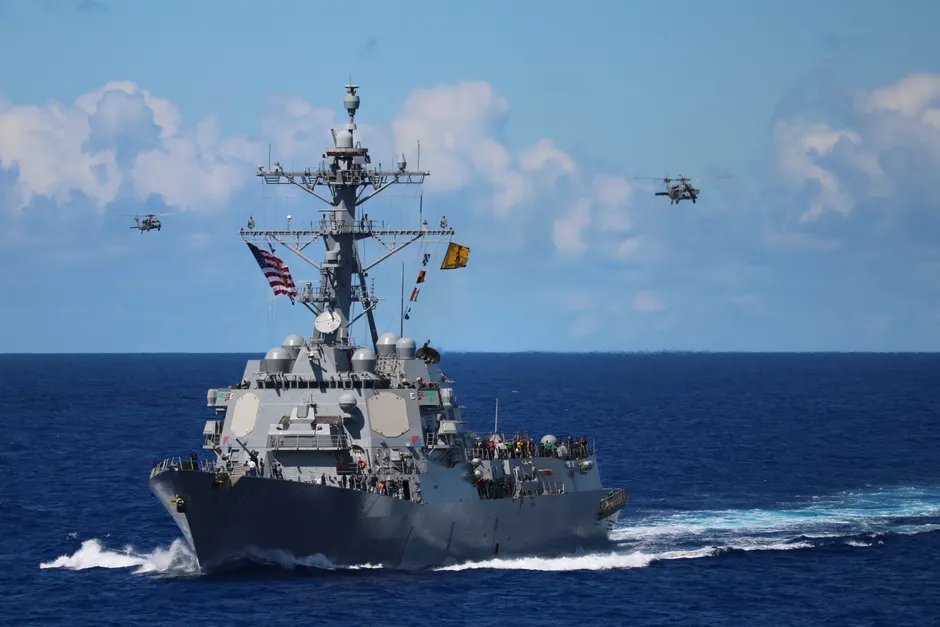
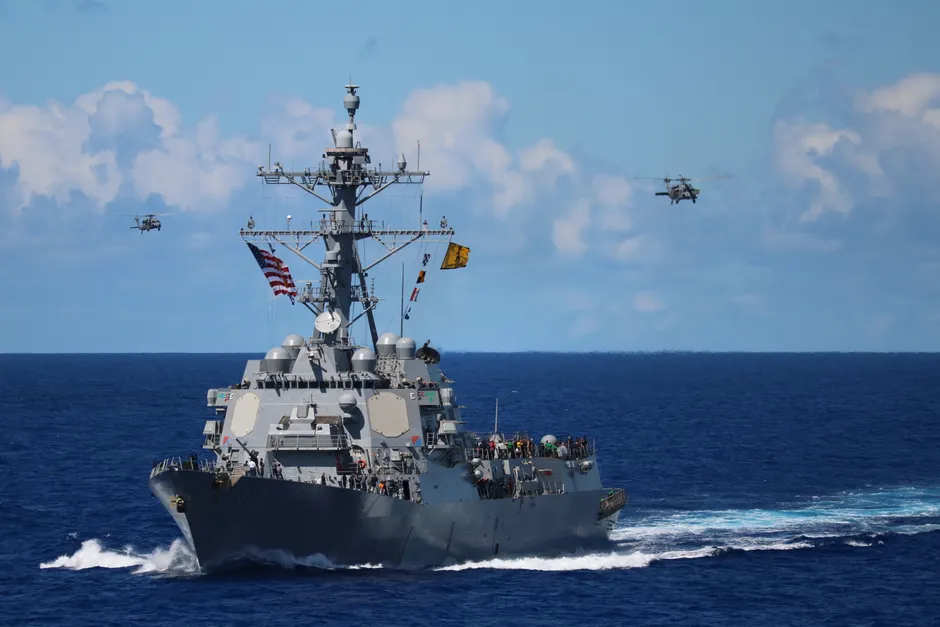
The United States has restarted military attacks on Iran. On July 7-8, 2026, US military forces struck more than 80 Iranian targets around the Strait of Hormuz — a narrow waterway where ships carry one-fifth of the world's oil. The Guardian CENTCOM
The US said these strikes were in response to Iranian attacks on three commercial ships on July 7. Washington also announced it was taking back a temporary agreement that had allowed Iran to sell oil on world markets. Removing that agreement means Iran loses money it was earning and faces tighter economic pressure on top of the military strikes.
President Trump announced at a NATO meeting in Turkey that any ceasefire (a pause in fighting) between the US and Iran is now over. He made this announcement while attending a summit focused on military alliance business, mixing the Iran announcement into broader discussions with European allies about their shared security.
Iranian state media reported explosions and power cuts in several coastal cities. These reports included power losses in Chabahar and explosions near Konarak, Chabahar, and Bandar Abbas — a major Iranian naval base. The strike pattern suggests the US targeted multiple Iranian radar stations and defense systems along the coast. The Guardian
Iranian military sources said Iran planned to launch a large attack on US military bases in the region, raising the risk of more fighting ahead.
These strikes did not come out of nowhere. The US military has been hitting Iranian targets since early June — destroying air defense systems, communication equipment, and radar stations near the Strait of Hormuz. The Pentagon also used extremely large bombs called "massive ordnance penetrators" on Iran's Fordow nuclear site, showing the conflict involves more than just naval defense. Defense.gov
The shift now is clear: the temporary truce between the US and Iran has ended, and the Trump administration is hitting Iran both militarily and economically at the same time. For Iran, facing ongoing military strikes and losing the oil sales it was permitted to make, options for avoiding further conflict are shrinking. This is why Iranian officials are threatening to strike back.
One detail matters for US allies in Europe. Trump announced the ceasefire's end while standing at a NATO meeting, making this bilateral US-Iran issue part of a larger conversation about Europe's role in Middle Eastern conflicts. European countries will have to decide in the coming days whether and how to support American action in the Gulf.