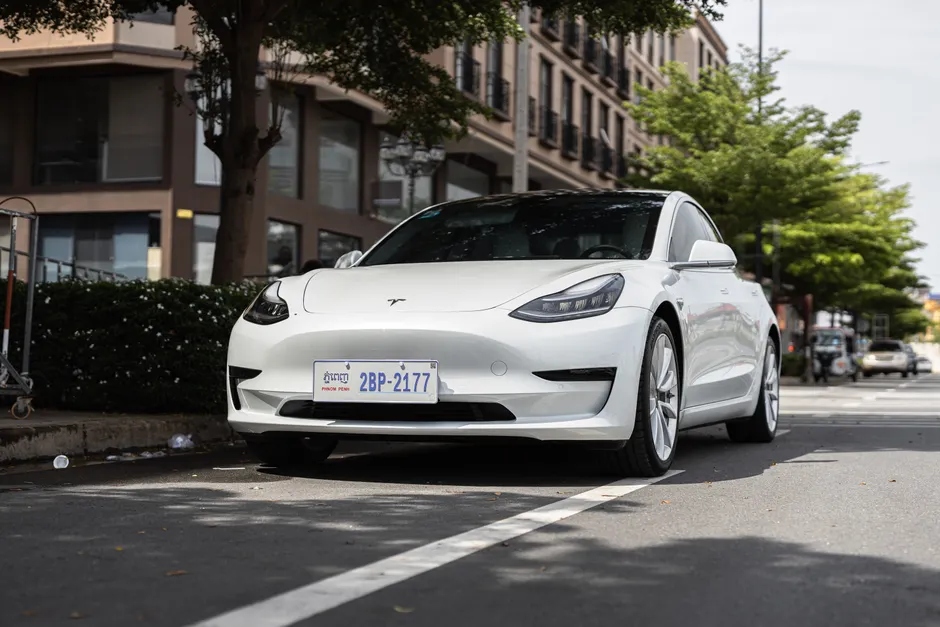
Rent a Tesla on Turo and You Could Try Its Self-Driving Feature

Tesla and Turo, a car-rental platform where private owners rent out their own vehicles, plan to offer Full Self-Driving (Supervised) in cars that individual hosts rent to others. The plan was reported on October 26, 2026, in a TechCrunch article. Eligible Turo hosts who rent out their Teslas would get a free one-month trial of the feature.
Full Self-Driving (Supervised) is a driver-assistance system. It helps with tasks such as steering and braking, but the person behind the wheel must stay alert and ready to take over at any time. It does not drive the car on its own.
Renters of Teslas with this feature on Turo would see a warning before they drive. The warning tells them to supervise the car actively and be ready to take control. Renters could also watch a tutorial that Tesla created.
Turo plans to show which Teslas on its marketplace have Full Self-Driving (Supervised). To do this, Turo is working with Tesla to connect directly to Tesla's systems and confirm which cars have the feature turned on.
Think of it as the difference between a seller saying the car has heated seats and a mechanic checking that the heater works. The check comes from the car itself, not from the listing. That makes it a more reliable filter than a host's own description.
Tesla has said that around 1.7 million customers have paid for the feature worldwide. That is out of more than 10 million cars built and sold to date. Tesla also said that more than 75% of customers who took delivery of a car in North America in the third quarter paid for a subscription. Paid uptake is already high among new buyers in that region.
Tesla also offers its own trial. Its support page describes a 30-day trial of Full Self-Driving (Supervised) for new Tesla owners. The Turo offer opens a second route, aimed at people who rent cars rather than own them.
Turo's data shows why renters matter to the platform. Tesla's Model 3 and Model Y are the third and fourth most popular vehicles on Turo this year. Turo's research found that 55% of Americans are interested in driverless technology for travel. That figure rises to 71% among Gen Z.
The system needs the driver to stay engaged. In a rental, it ends up in the hands of people who did not buy the car, did not set it up, and may never have read the owner's material. The renter warning and Tesla's tutorial are the safeguards the announcement describes. Whether they work depends on whether renters actually watch the tutorial and take in the warning before they drive.
The broader context here is that Turo is a new sales channel for a feature that customers pay for by subscription. For Tesla, a rental fleet means many different people driving short trips, which is a different situation from one owner's daily commute. For Turo, a verified feature label is a search option that hosts cannot easily fake, because it comes from the car rather than the listing.
In my view, the most useful outcome would be a traveler who chooses a car with this feature on purpose, understands its limits before leaving the lot, and can find that information in one place. Whether the checks and warnings get there will become clearer once the trial runs and Turo's listings start showing which cars qualify.