The US Just Bombed Iran—While Iran Was Burying Its Leader
On July 8, the United States launched military strikes against targets in Iran. This happened on the same day Iran's Supreme Leader, Ayatollah Ali Khamenei, was being mourned across the border in Iraq Al Jazeera. Just days earlier, President Trump had promised to pause the military action during the funeral period. He did not keep that promise.
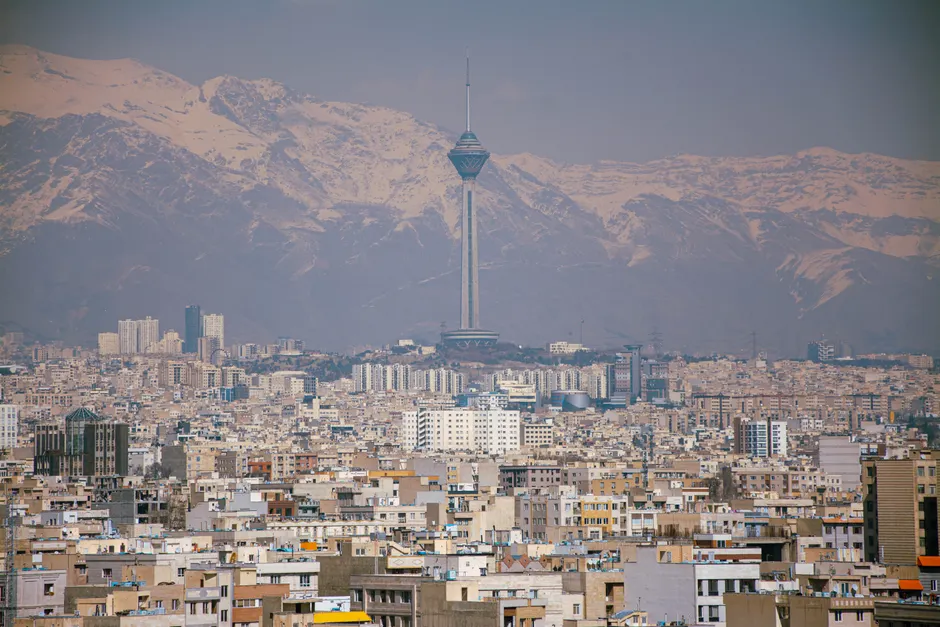
Khamenei died recently, and Iran held a six-day mourning period for him starting July 4. Think of it like a state funeral for a president, but much larger and spread across multiple cities. The ceremonies took place in Tehran and Qom inside Iran, and then moved to Najaf, a major religious city in Iraq Al Jazeera CNN. Khamenei was a supreme leader—Iran's highest religious and political authority—so his death triggers a succession process: the country now has to choose who comes next.
The crowds were enormous. The New York Times initially reported tens of thousands of people attending The New York Times, but later revised that to hundreds of thousands The New York Times. Reuters reported that the funeral procession through Tehran on July 6 was expected to draw millions Reuters. It's hard to know exact numbers in a country where state media controls information, but the turnout was clearly very large.
Some mourners called for revenge at the funeral prayers The New York Times. However, observers also noted that the funeral itself looked choreographed—carefully staged for political effect The Washington Post. Iran often uses major funerals to send political messages to its own people and to the world.
Three of Khamenei's sons appeared at the funeral, but one son did not. That son, Mojtaba Khamenei, had often been mentioned as a possible successor Reuters. No one knows for sure why he stayed away. It could be a political signal, or it could be about security. Iran's leadership council—called the Assembly of Experts—will officially choose the next supreme leader, but they haven't announced how or when yet.
Foreign journalists got rare access to cover the funeral from inside Iran, something that usually doesn't happen. The Washington Post was among the outlets allowed in, though reporters worked under the restrictions typical of Iranian state oversight The Washington Post. This gave the world more direct view of what was happening in Tehran.
Why does breaking the promised pause matter? When a country pledges not to attack during a funeral, that's a diplomatic signal of respect for religious customs. By striking anyway, the US sent a different message—and it forced Iraq, which was hosting the funeral procession, into an awkward position.
The bigger picture is this: Iran is choosing new leadership right now, while bombs are falling on the country. Normally, a leadership transition gets a pause to let the government stabilize. That's not happening here. Whoever becomes the next supreme leader will inherit not just the job, but an active war that started before they took office.


