What the Fed's Latest Minutes Tell You (and What They Don't)
What the Fed's Latest Minutes Tell You (and What They Don't)
The Federal Reserve released the written record of its June 16–17 meeting on July 8, three weeks after the decision itself Federal Reserve. This timing matters more than it usually does, because the world has changed twice over since that meeting ended.
When Fed officials sat down on June 16, tensions with Iran were simmering but hadn't boiled over yet. On June 27, the US struck Iranian military targets after an attack on a tanker in the Strait of Hormuz Reuters. Within hours, both sides agreed to stop fighting and return to talks. That same conflict had already closed airports across the Middle East and forced cargo ships to take longer routes around the region Britannica.
The Fed didn't have any of this information when making its decision.
At the same time, ceasefire talks between Israel and Hamas in Egypt had stalled over two major disagreements: whether Hamas would disarm, and whether Israeli troops would leave ACLED. For central bankers trying to figure out whether rising prices are temporary or tied to genuine shortages, an unresolved conflict that could flare up again makes their job much harder.
Why gold prices matter to what the Fed does next
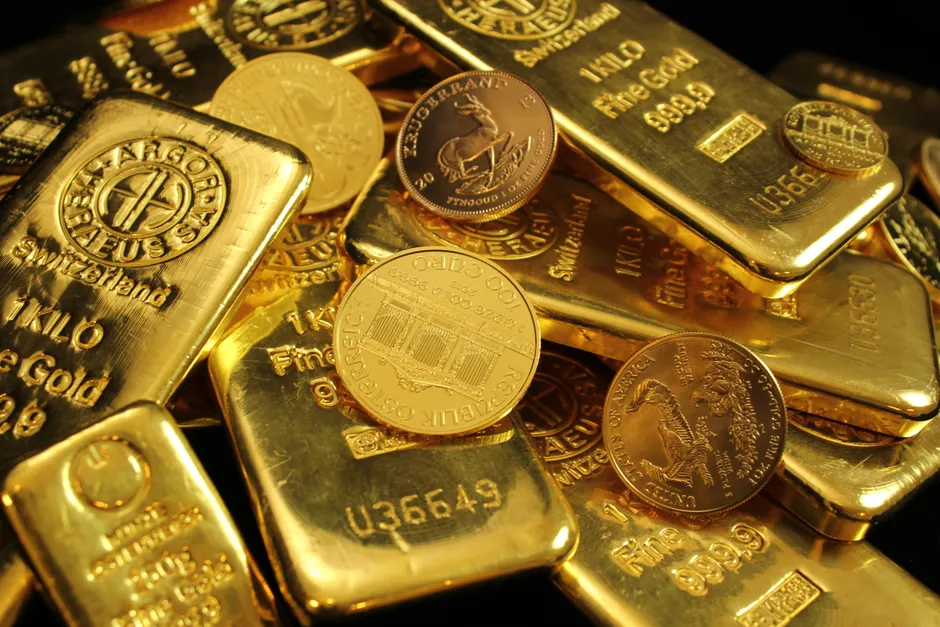
Gold is a useful lens for seeing what markets and investors are nervous about. In February, gold traded at $4,979 an ounce while investors weighed Iran tensions against inflation numbers Reuters. By early July, gold demand had fallen in India even as prices in that country climbed to as high as 148,046 rupees per 10 grams (about $1,553 per 10 grams) Reuters. China was buying more gold in the same period. Singapore announced plans in March to become the trading hub for Asian gold markets Reuters.
The Fed doesn't control gold prices or try to. But these moves tell the Fed something useful: investors and buyers across Asia are grappling with the same question the Fed is asking itself. When trouble breaks out in a region that ships much of the world's oil, does that raise prices everywhere for a few weeks, or does it cause longer damage?
When the real update comes
The Federal Reserve holds eight scheduled meetings each year. Committee members rotate in January. The next meeting is July 28–29 — just three weeks from now and close enough to the June 27 ceasefire that the Fed will have a much clearer picture of whether it's holding Federal Reserve.
If you're watching Fed decisions for clues about what comes next — interest rates, inflation policy, the direction of your savings account or mortgage — the minutes released July 8 describe a Fed thinking about a world that no longer exists. They're a historical record, not a roadmap. The real update to policy will come on July 28–29, when Fed officials sit down with current information and decide whether those energy and shipping shocks are pushing prices up in ways that will stick around.
The full text of the minutes is available at the Fed's official release page.


