Why Iran Blocking a Key Oil Waterway Matters—and Why the Peace Talks Are Falling Apart

In April 2026, peace talks began between Iran and the U.S., with Vice President JD Vance preparing to join the negotiations The New York Times. President Trump said at the time that Iran was overestimating its bargaining power The New York Times. Three months later, the situation has gotten worse. The temporary ceasefire that made those talks possible is now falling apart, according to experts who track the conflict CFR.
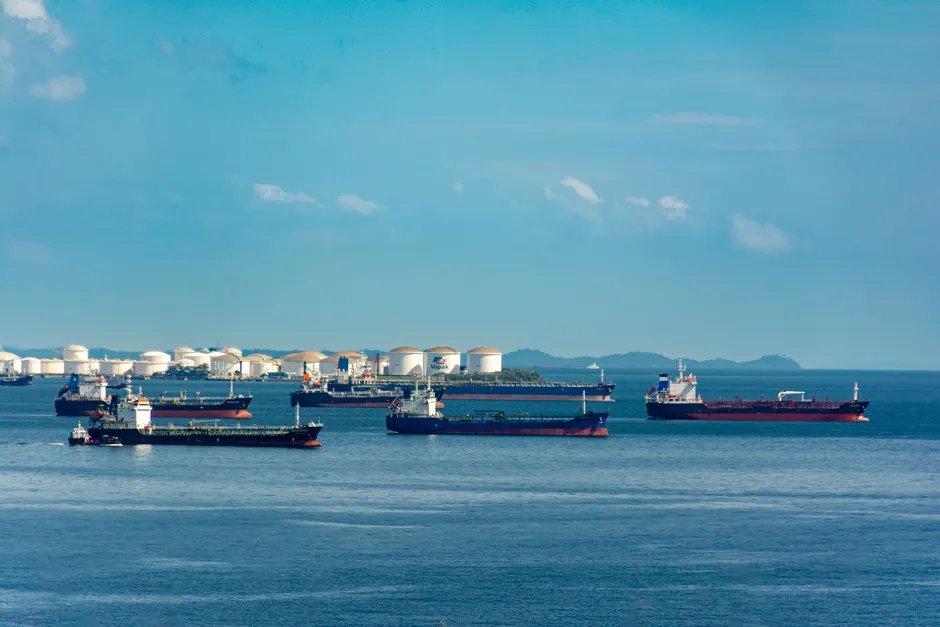
Here's what happened. After a major U.S. and Israeli military strike in late February 2026, Iran decided to shut down the Strait of Hormuz. This is a shipping channel that connects the Persian Gulf to the rest of the world. It carries about one-quarter of all the oil that ships by sea globally—meaning oil that fuels cars, factories, and power plants around the world CSIS.
On February 28, Iran warned all ships to stay away. By early March, Iran declared the waterway fully closed and began attacking any ships that tried to pass through Al Jazeera Studies. A government research report from March 11 confirmed that Iran was threatening and attacking vessels CRS. Most of the ships blocked were oil tankers. Researchers found that even ships carrying goods to China, a country with influence in Tehran, could not get through CSIS.
The blockade is nearly complete. Only one Iranian oil tanker managed to make it all the way from Iranian loading ports to open waters beyond the Malacca Strait—another major shipping passage Crisis Group. That shows how effectively Iran has shut down the corridor.
But Iran refuses to back down. In July, Iranian officials told journalists they plan to keep controlling the strait. Some of those same officials admitted Iran might be overestimating how much pressure Washington will accept Reuters. Iran's military is now talking about the strait as Iranian territory, saying "the Strait of Hormuz is not a playground for the aggressive U.S." Crisis Group.
Most experts think Iran is pushing too hard. A news analysis in April warned that Iran's strategy of intimidating ships, charging fees, and threatening attacks is risky and could spin out of control The Hill. Another expert said in May that Iran is betting Trump will give in first—but that bet might be wrong Times of Israel. A third analyst in June agreed that Iran is using the strait as leverage in a dangerous way Al Jazeera.
But some experts see it differently. A military research organization found evidence that Iran's attacks are actually working as intended ISW. By July, they concluded that Iran's strategy is giving Tehran more power in future negotiations while keeping shipping disrupted ISW. In this view, Iran is not bluffing—it is playing a careful game that might actually work.
This disagreement matters because it affects what happens next. If Iran is truly overplaying its hand, then time works against Tehran. The longer the strait stays closed, the more shipping companies find other routes and naval forces set up protective escorts, and Iran's leverage fades. But if the second group of experts is right, Iran's leverage is stronger than it looks, and it is Washington that will run out of patience first.
On July 7, someone attacked a liquefied natural gas tanker. Iranian state television said the ship had ignored warnings, but Iran did not directly claim responsibility for the attack Al Jazeera. This careful distance from the attack—Iran narrating it in the news but not officially owning it—looks less like a country confidently running the strait and more like one trying to avoid being blamed, whichever side ends up being right.
Experts have suggested that the U.S. and Iran set up a direct emergency communication line to prevent accidental escalation around the strait Crisis Group. Whether that happens before the ceasefire fully collapses could decide whether the next few weeks bring a peaceful deal or the kind of escalation nobody publicly wants but nobody has found a way to stop.