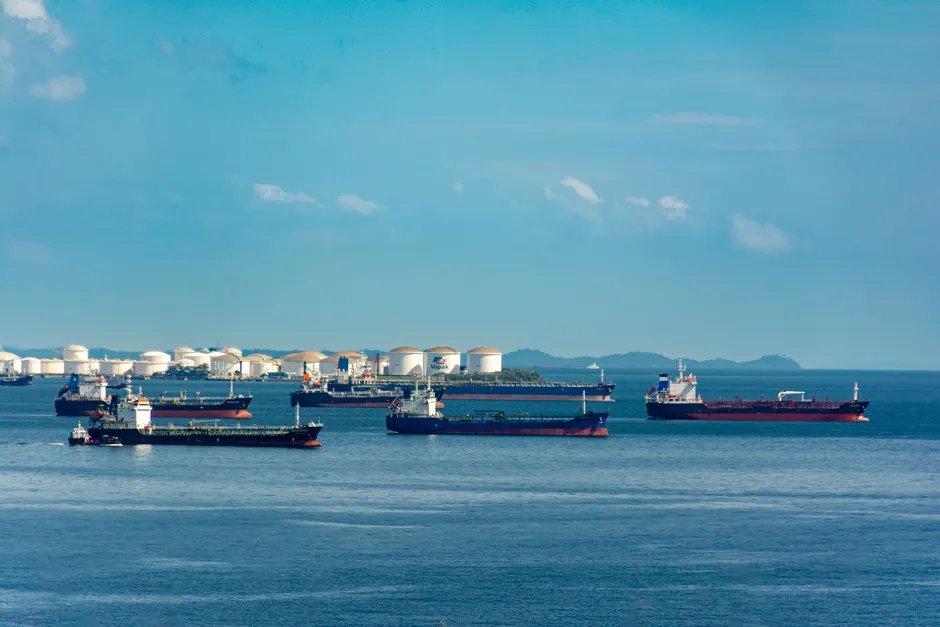
Iran Threatens to Close Key Oil Strait as Nuclear Talks Hit Rough Patch

Iran said on June 20 that it had closed the Strait of Hormuz, blaming Israeli military strikes on southern Lebanon and ceasefire violations. The United States immediately disputed this claim, stating that ships were still moving through the waterway normally, according to Reuters.
The announcement came as negotiations between Iran and the US were hitting obstacles. Iran postponed a planned meeting in Switzerland on June 19. Iranian officials did not show up to Bürgenstock on schedule, which complicated efforts by the Trump administration to hold direct talks, per AP News. However, Switzerland confirmed on June 20 that American and Iranian negotiators were still meeting or had resumed talks in Bürgenstock. Switzerland did not say who exactly was at the table, Reuters reported.
US Vice President JD Vance was heading to Switzerland to participate in negotiations. The talks focused on Iran's nuclear program and efforts to stop regional fighting, AP News confirmed. Having a vice president involved in these early-stage talks is unusual and shows how serious Washington is about reaching a deal.
Why This Waterway Matters So Much
The Strait of Hormuz is a critical passage between Iran and Oman. About 20 percent of the world's traded oil and a significant amount of natural gas flows through it. The strait is only 33 kilometers wide at its narrowest point. Even when Iran just claims to close it — without actually blocking ships — oil prices can jump and shipping companies get nervous about insurance costs. This is why Iran would announce a closure: to pressure other countries, whether or not it actually stops ships.
Iran said it was closing the strait because of Israeli military action in Lebanon, not because of the nuclear talks. This choice of words is deliberate. It allows Iran to show it can take aggressive action while blaming Israel, which keeps some room for negotiation with the United States. The US quickly said ships were still moving through normally. If Washington let Iran's closure claim stand without pushback, Iran would score a public relations victory. It could also trigger real economic problems as shipping companies reroute cargo and worry about insurance.
Connecting Lebanon to the Big Picture
On the same day Iran postponed the talks, its Foreign Ministry condemned what it called Israeli attacks on Lebanon and warned that the United States was complicit. By releasing both statements at once — the postponement and the Lebanon condemnation — Iran was sending a message: the situation in Lebanon and the nuclear talks cannot be solved separately. Iran has always insisted on linking any agreement with the US to protecting its allies in the region, especially the militant group Hezbollah in Lebanon. These June 19 statements confirm that position.
Switzerland is playing an important role here. Since 1980, Switzerland has represented American interests in Iran because the two countries do not have normal diplomatic relations. Switzerland runs the American embassy's basic functions in Iran. This gives Switzerland credibility with both sides that other neutral countries might not have. The Swiss Foreign Minister, according to the Iranian Embassy in Bern, said he welcomed the negotiations and would keep supporting them — which suggests Switzerland is actively helping, not just providing a meeting room.
What Comes Next
Right now, both sides are talking behind the scenes in Switzerland while Iran continues to make tough public statements about the Hormuz and Lebanon. This pattern fits what happens when one side is trying to squeeze concessions from the other under pressure, not when talks are about to collapse. The big question in the coming days is whether VP Vance actually sits down with top Iranian officials, or whether Iran keeps negotiations at a lower level while continuing its public pressure campaign. Iran's Hormuz announcement has already done what it was meant to do — create disruption and concern. Whether it leads to an actual blockade or quietly disappears as talks move forward will shape what happens next in negotiations that have been rocky for months.