Vivo's X500 Pro Max: A Phone Built Around Its Cameras
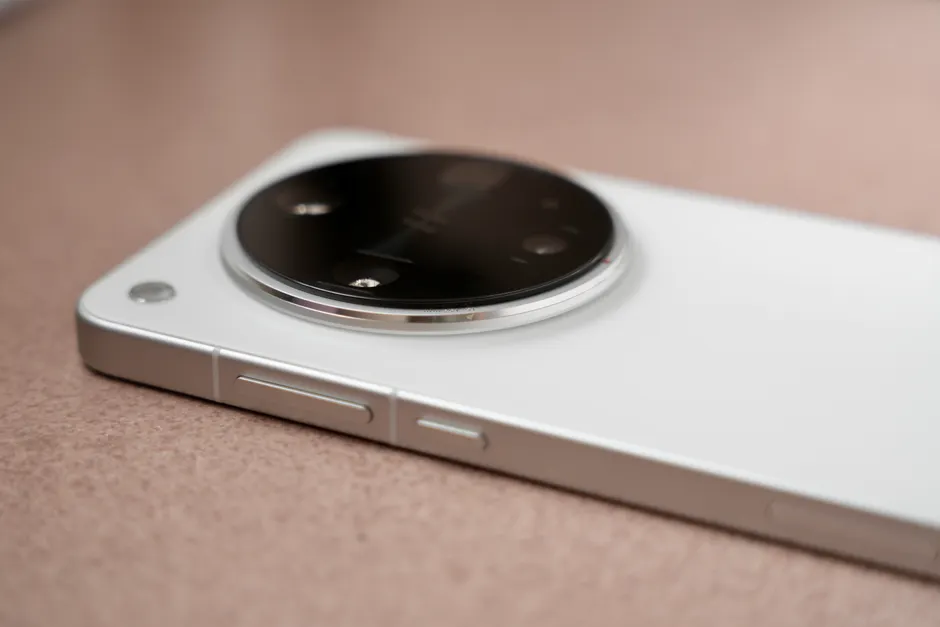
Vivo's X500 Pro Max has a 50-megapixel main camera, a 200-megapixel telephoto camera and a partnership with the lens maker Zeiss, according to a hands-on report from Engadget published on 27 October 2026. The phone has a 6.85-inch screen.
The main camera uses a 50-megapixel Sony Lytia sensor. A sensor is the chip that captures light and turns it into an image. This one measures 1/1.28 inch, and its f/1.6 aperture, the opening that lets light in, is wide. That helps the camera work in dimmer rooms.
Vivo says the sensor records 17 stops of dynamic range. Dynamic range is the gap between the darkest and brightest parts of a scene that a camera can still show with detail. The sensor uses a method called LOFIC. When a bright area produces more light than the sensor can hold, the extra is stored in a small backup container instead of being lost. Think of it as an overflow tank for a full bucket.
The main camera's stabilization is described as three-degree gimbal-grade. A gimbal is the motorized mount that keeps video smooth when the person holding it moves.
The ultra-wide camera has a 50-megapixel sensor measuring 1/1.75 inch. The telephoto camera has a 200-megapixel sensor measuring 1/1.4 inch, and Vivo credits it with lossless zoom up to 10x. Its optical stabilization is rated CIPA 7. CIPA is the camera industry's standard for measuring how well a camera corrects shake.
Lossless zoom at this level usually means the phone crops into the high-resolution sensor rather than using a longer lens. It works a little like zooming in on a very large photo on a computer. The cropped result keeps good detail only if the sensor has enough pixels and the phone processes the image well.
The phone also supports clip-on telephoto lenses. A camera grip case with a teleconverter, a small add-on that extends the lens's reach, is part of the accessory range. Both options let users extend the zoom with hardware, not only with software.
On video, the phone records 4K at up to 240 frames per second, which allows slow-motion playback. Its Pro Video Mode accepts custom LUTs, which are colour presets created by others, and shows a live preview of them. Its log format works with ACES, a shared colour standard used in film production. The report notes one gap. The phone cannot record in open-gate mode, which keeps the full image from the sensor so the frame can be cropped later.
In my view, the video features are the part of this launch most likely to matter to working filmmakers. Log recording, ACES support and LUT preview fit into the colour-grading process that professionals already use. The missing open-gate mode is the first thing a professional would notice, because it limits how footage can be reframed afterward.
The three cameras use sensors of different sizes. How those differences show up in everyday photos, especially in low light and when the phone switches between cameras, is something a hands-on test can only partly reveal.
The Zeiss partnership ties the camera story together. Phone makers often partner with lens brands to show they take optics seriously. Vivo presents the Zeiss name alongside the accessories rather than as a badge on its own. For people who want to use the attachable lenses regularly, the key question is whether they work reliably day after day.
For anyone shopping for a camera-first phone, the X500 Pro Max offers wide dynamic range, long zoom through a high-resolution sensor, steady telephoto shots and professional video tools, with one notable omission. How well those features perform in real photos and footage will become clearer as more testing comes in.