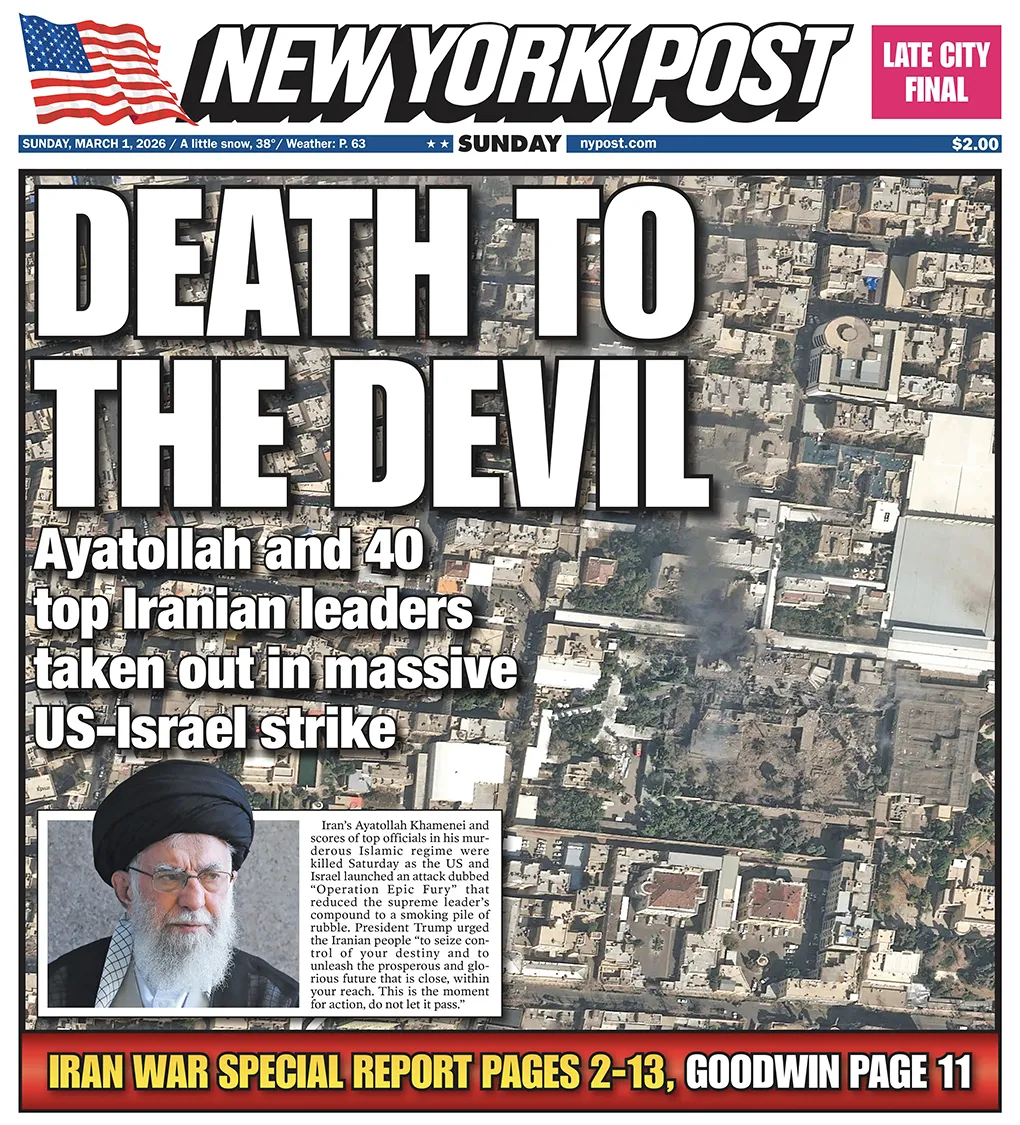
Oil Prices Jump as U.S. and Iran Tensions Rise: Here's What Happens Next
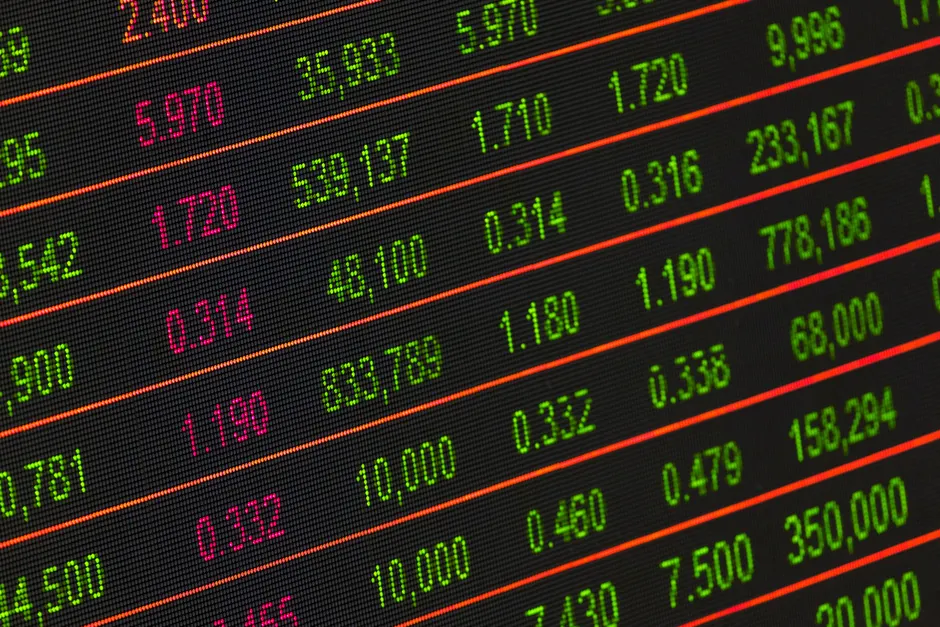
Oil prices shot up on July 9, 2026, after the U.S. revoked permission for Iran to sell oil to other countries, and military strikes between the two nations continued Washington Post. Stock markets fell as a result. The action started on July 7 when the U.S. shut down a legal pathway Iran had been using to export oil Reuters. That immediately made traders believe there would be less oil available. Brent crude—the global benchmark price—jumped 5.43% that day to $78.19 per barrel CNBC. Later that evening, it added another $1.72, settling around $75.88.
Two days of military strikes followed. On July 8, President Trump said the Iran nuclear deal was "over," closing off any hope for quick negotiations Reuters. Oil kept climbing. The Dow fell more than 570 points on July 7, and the S&P 500 fell again on July 8. That same day, the International Monetary Fund lowered its forecast for global economic growth to 3%, citing the oil price shock and its ripple effects—higher costs for countries that import oil, tighter borrowing conditions, and slower business investment Reuters.
One detail stands out. When oil prices spike and stocks fall, investors usually buy government bonds as a safe harbor, pushing bond prices up and yields down. This time, bond yields went up, just like stock prices went down Bloomberg. That's unusual. It suggests traders aren't just worried about slower growth—they're worried that higher oil will push inflation up, which would force central banks to keep interest rates higher for longer.
Here's why that matters. When oil is expensive, businesses pay more for fuel and transportation. Those costs often get passed to customers through higher prices on groceries, gas, and goods. At the same time, global growth is slowing. That's a tough situation called stagflation: weaker economic growth plus higher inflation. Central banks typically raise rates to fight inflation, which can slow growth further. They're already in a delicate position after the pandemic, and this oil shock is making their job harder.
The question now is whether this oil price shock sticks around. Geopolitical risk premiums—the extra price traders pay because of conflict—can disappear fast if tensions ease, or they can get worse if fighting spreads to critical shipping routes like the Strait of Hormuz. So far there's no report of disruptions there. What we know is the sequence so far: a ban on Iran's oil sales, military strikes on two consecutive days, a statement ending diplomatic talks, and a growth downgrade all within days. Markets have reacted consistently to that sequence. Everything else depends on decisions not yet made.