SpaceX Launches Starlink Satellites at Record Pace in 2026
SpaceX Launches Starlink Satellites at Record Pace in 2026
SpaceX sent 1,589 Starlink satellites into orbit during the first six months of 2026, up slightly from 1,489 in the same period the year before. The company did not announce these numbers itself; The Verge counted the launches using data from Jonathan McDowell's publicly available satellite tracker at planet4589.org.
This pace builds on an even bigger year in 2025, when SpaceX deployed 3,180 Starlink satellites — a company record. Since the constellation began in 2019, SpaceX has launched over 12,400 Starlink satellites total. About 11,000 of them are still working. The others have either stopped functioning or been deliberately brought back down to Earth, which is normal for a network designed so that individual satellites last between five and seven years.
Advanced Television, a broadcasting industry publication, independently confirmed these records on July 7, 2026.
How the launches actually happen
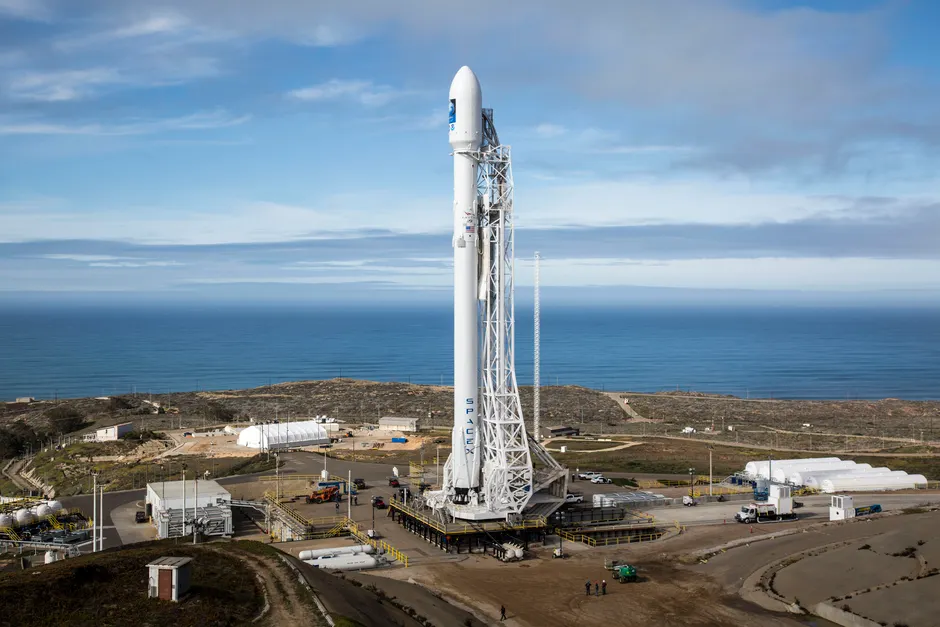
The launches follow a regular schedule. SpaceX's workhorse Falcon 9 rocket made five confirmed Starlink flights between late May and early July 2026, carrying either 24 or 29 satellites each time depending on which type of satellite it was carrying. These flights launched from Cape Canaveral in Florida and Vandenberg in California.
The satellite sizes and designs have been consistent since 2023 — they are called V2 Mini satellites and have become the standard for Starlink. SpaceX has said that a newer version of Starlink hardware, which would be faster and more reliable, could start operating sometime in 2026, though the company has not yet announced a specific date.
SpaceX's launch schedule shows more Starlink missions planned for July, indicating that the company is not slowing down as the year continues.
The competition is falling further behind
Amazon is building its own satellite internet network called Project Kuiper, which is the closest competitor to Starlink. As of mid-2026, Amazon had launched about 400 satellites, which is roughly 12 percent of its goal to build a constellation of 3,232 satellites. Amazon began active launches just 15 months earlier.
By comparison, SpaceX had already deployed nearly 11,000 working satellites after starting in 2019. The key difference: SpaceX owns and operates Falcon 9 rockets and reuses them dozens of times, which makes launching satellites cheaper and faster. Amazon relies on multiple other companies to launch its satellites, including its own Blue Origin affiliate and United Launch Alliance, which slows things down.
The practical takeaway is this: in the modern satellite internet business, the company that can launch most frequently and reliably wins. SpaceX's rocket reusability has given it an enormous advantage, and the gap between the two networks continues to widen.
The broader context is worth noting. Neither company has yet proven that it can keep replacing satellites on this scale without creating too much debris in orbit or interfering with ground-based telescopes. Regulators and astronomers have raised these concerns with growing urgency as these satellite networks expand, and whether SpaceX and Amazon can solve these problems sustainably remains an open question.
For now, the immediate picture is straightforward: SpaceX is maintaining a rapid launch schedule, and the data shows no sign of change.


