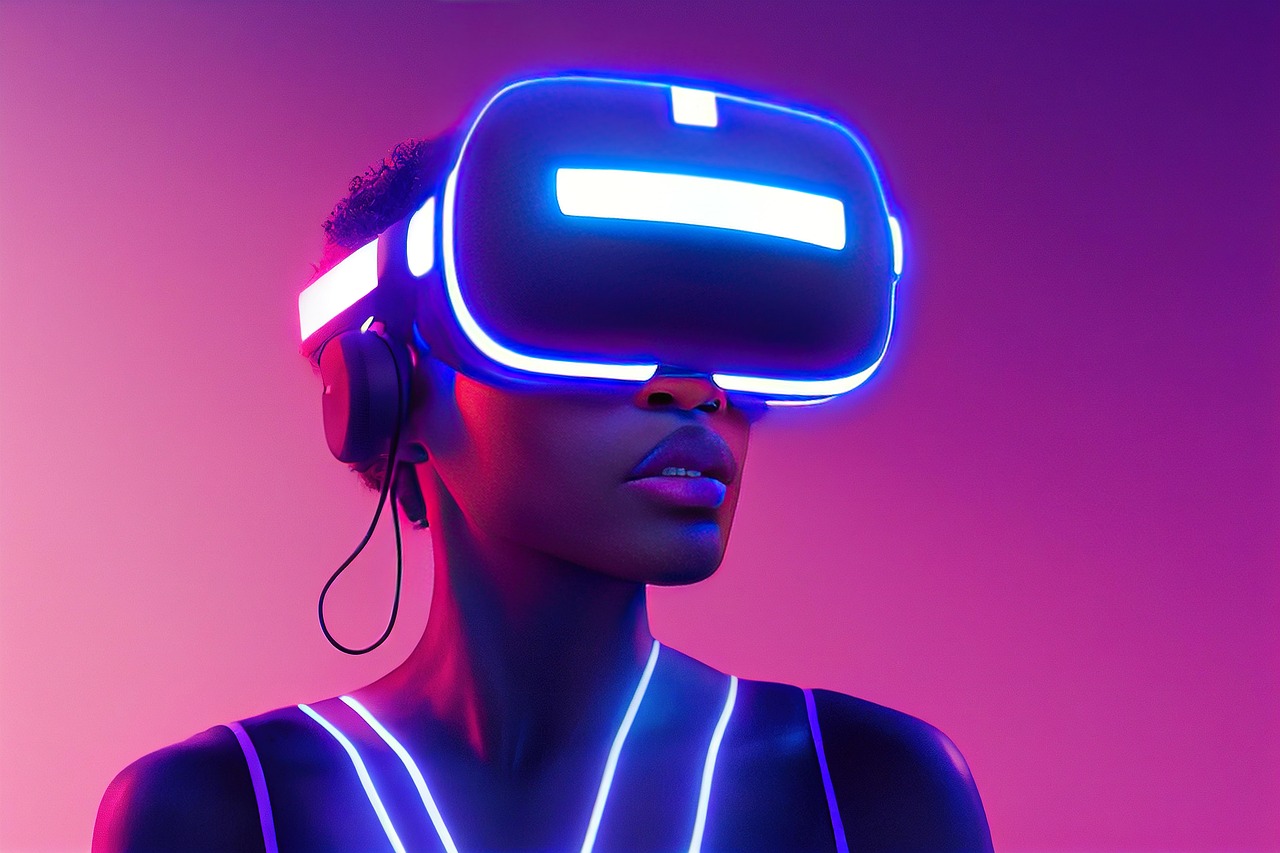
Xreal's Aura Glasses Are On Sale, With a Cable Attached
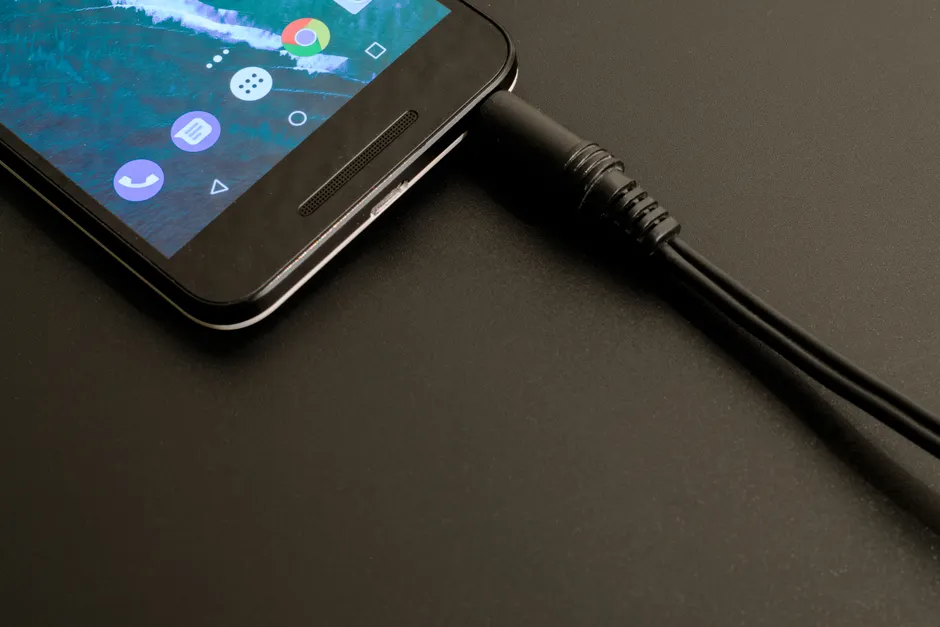
Xreal has started taking orders for the Aura, a pair of smart glasses that connect by cable, in the United States, Canada, Japan and South Korea. TechCrunch reported the launch on October 28, 2026, and said the company expects the glasses to start shipping by mid-November.
There are two versions. The model with 12GB of memory and 256GB of storage costs $1,279. Until December, it sells for a launch price of $1,099. The model with 16GB of memory and 512GB of storage costs $1,499, or $1,299 at the launch price through December.
The glasses use Qualcomm's Snapdragon Reality Elite chip. The image comes from a Sony Micro-OLED display, a very small, bright screen placed close to the eye. It shows 1200p resolution and refreshes 120 times per second, which keeps motion smooth. The picture fills a 95-degree field of view, roughly the width of what you see at once. The frames weigh 95 grams.
The glasses do not do their heavy processing themselves. They connect to a smartphone-like device that handles the computing, and you also need to carry a small puck. Audio is built on Bose technology. Gemini, Google's AI assistant, answers questions.
The Aura can also act as an extra screen. When you plug it into a computer or a handheld gaming console using USB-C, it shows a display in your field of view. That gives the glasses a second use beyond the Android XR software.
Android XR is Google's software for XR, short for extended reality. XR is a broad term for headsets and glasses that mix digital images with the real world or replace it.
The Aura has a longer history than this launch. Xreal and Google showed it as Project Aura at Google I/O in May 2026, and confirmed a global launch for 2026. Xreal described it as the company's first tethered XR glasses built with Google for Android XR. Its earlier announcement listed the X1S chip among its parts. Reservations opened in June, according to a Google post from the AWE event. Google calls Project Aura the first Android XR device in its category. It has also called Galaxy XR the first Android XR headset. In September, Google's Android Enterprise update listed the Aura among next-generation manageable XR devices for workplace use.
In my view, the cable is the choice buyers will judge the Aura by. The glasses are light because the processing sits elsewhere. The cost is a second object to carry and a cable to manage. Standalone headsets avoid that trade, and it suits some people better than others. The USB-C display mode follows the same logic. It makes the glasses useful to people who already own a laptop or handheld console, and it gives them a reason to wear the glasses at a desk.
The broader context here is that Android XR now covers a headset and a glasses-style device, both built on Google's platform. Gemini sits in the software, and the enterprise listing suggests Google sees workplace use alongside consumer use. Whether the tethered design stays a niche choice or becomes a model for lighter XR hardware will depend on what early buyers do with the glasses. That question starts to take shape when the launch prices end in December and the first units arrive in mid-November.