Google Lets Apps Plug Into Its AI Assistant, So You Can Get Things Done Without Hopping Between Apps
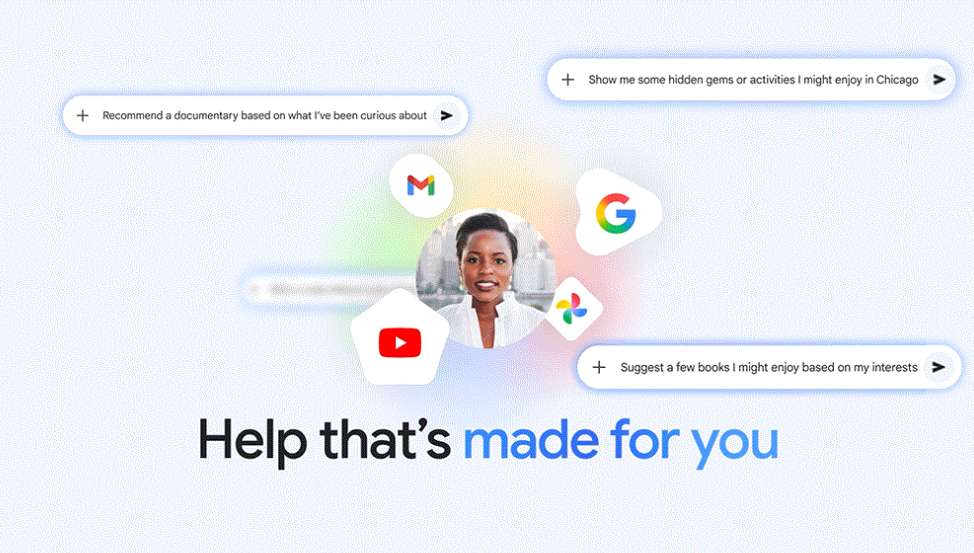
Google has launched a Connected Apps Platform that lets businesses link their apps to its AI tools in Search and Gemini, according to TechCrunch, which reported the launch on October 28, 2026.
The platform is in beta and public preview for developers in the United States. Developers sign up for a waitlist to get access.
Developers connect their apps in one of two ways. They can use a cloud-hosted MCP server, or Android MCP with AppFunctions APIs. MCP, short for Model Context Protocol, is a common set of rules that lets AI systems talk to outside services.
Next, developers register, test and submit their app through the Google Connected Console. Each developer chooses whether the app appears in Search, in the Gemini app, or in both.
Connected apps let users link services they already use and carry out tasks from inside the assistant. Google's examples include designing a flyer with Canva and building a playlist with YouTube Music.
The feature first appeared in Gemini and Google Search earlier in 2026. In July, Google said users could connect apps directly to AI Mode in Search. It named Instacart, Canva and YouTube as examples.
Google says more than 50 connected apps are available in Gemini. Partners include Adobe, Experian, Localiza and Peloton. Google's own services are on the list too, including Workplace, Photos, YouTube Music and Google Home.
In Search, connected apps currently include Instacart, Canva, YouTube Music and Yahoo Fantasy Football. Gemini connected apps will come to Search over the next few weeks. The meditation app Calm is set to launch on both Gemini and Search as a new partner.
Once an app is live, its developers can track traffic, latency (how long a request takes to answer) and error rates. They can also manage their brand identity, including verified logos and signed-in accounts. A task carried out inside an AI answer can now be watched the way a company watches any other part of its software.
The launch follows a run of AI agent announcements from Google this year. At its I/O conference in May, Google introduced Gemini Spark, an agent that pulls information from various apps to draft reports and manage schedules, as Reuters reported. That month, Google's Search blog described bringing advanced model capabilities to Search, with features that let users call on agents by asking a question. On October 8, Google Cloud introduced the Gemini agent, a single AI agent for work that can answer questions and handle tasks.
In my view, the bigger change is in how customers find businesses. For years, a company reached people through an app store listing, a web page or a spot in search results. A connected app has to be something an assistant can use reliably on a customer's behalf. It is a bit like the difference between a shop window and a shop assistant who can take your order.
The broader context here is that a request still starts with a plain question in a search box or a chat window. Someone who wants groceries ordered, a flyer drafted or a playlist made no longer has to open each app in turn. Whether this holds up at scale will depend on how well these connections perform under heavy use. It will also depend on how clearly the right brand, account and permissions are handled as more services join.


