Your Car Assistant Is About to Know You Better

Google said on October 20, 2026 that Gemini in cars will get Personal Intelligence, a setting that lets the car assistant use information from a driver's other Google services. TechCrunch It is rolling out in two steps. It launched in Android Auto on October 20, 2026. It will come to cars with Google Built-in in the coming months.
You have to opt in. The feature stays off until you turn it on. You can turn it off at any time. You can also pick which apps to link. That includes a shared family car and a work account where mail or calendar should stay out of the car.
When on, it can look at Gmail, Google Calendar, YouTube, Maps, Search history, and other linked Google services. Google says it connects the Gemini app to your Google apps to give more personal suggestions. Google You talk to it in normal words. Google's example is asking for your flight gate and if the flight is late in one question. To answer, it checks who you are, finds trip details in mail or calendar, and adds live flight information.
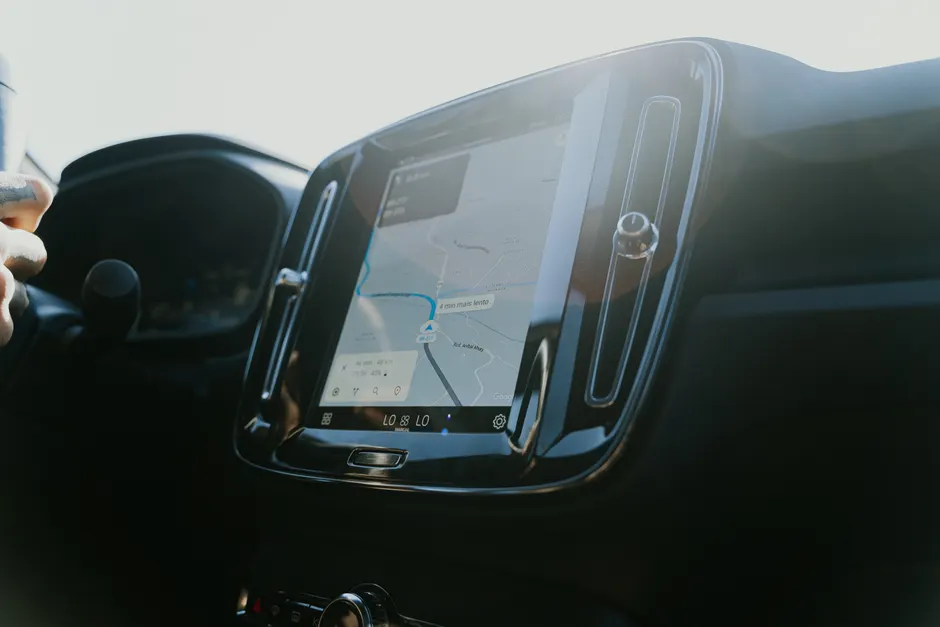
How you get it depends on your car. Android Auto is an app on your phone that sends navigation, music, and messages to the car screen. Google Built-in is software already inside the car. To use Gemini in Android Auto, you need an Android phone and a car that supports Android Auto. PCMag
This follows earlier steps. Google first put Gemini in Android Auto in November 2025. Personal Intelligence came to the U.S. in March 2026. As of October 20, 2026, it is in beta, meaning still being tested, in other countries. Google says Gemini in Android Auto is more conversational and lets drivers add stops by speaking normally. Google Google also says Gemini is now widely available in Android Auto to help drivers get more done, brainstorm ideas or learn something new while driving. Google In cars with Google Built-in, Google says Gemini is replacing Google Assistant and gives a more natural way to control navigation and music. Google Google showed more Gemini car features at I/O 2026 for driving help. Mashable
The broader context here is a change in what the assistant does. It is less like a button that opens apps. It is more like a helper that pulls details together. Basic voice control for directions and music already works. The next job is handling personal tasks in one step, so the driver does not have to look at a screen or repeat information.
From a practical standpoint, the privacy settings matter as much as the smart answers. That means which permissions you give, whether requests are handled in the car or online, how long voice recordings linked to your data are kept, and what happens if a linked account is missing. Starting turned off and letting you pick apps is a good start. Drivers, and companies with many cars, will also want a clear record of what was used.
In my view, the hopeful part is simple. Driving leaves little room for screens and taps. If well set up, personal help can cut distraction. If Gemini can find the gate, check the delay, change the route, and add a fuel or charging stop without touching the screen, that keeps eyes on the road. That help, more than smooth talk, is how to judge it.