A Child's Death Divides West Bengal as Police Face Questions

An 11-year-old girl was found dead in a pond near Kolkata on July 5, 2026, and her death has sparked widespread protests across West Bengal. Police say she was raped, placed in a sack, and thrown into the water while still alive. An autopsy found injuries consistent with drowning, including water in her lungs, along with head trauma and other marks of violence The Hindu.
The girl's family says police did not take the disappearance seriously at first. When officers did not help, family members searched through local security camera footage themselves to find out what happened. Police formed a special investigative team on July 6 and arrested three people they say confessed to the crime The Hindu.
The case has taken on a religious and political dimension that has made tensions worse. The victim was Muslim, and police say the three arrested individuals are Hindu. On the same day the girl's body was found, a local mob killed a 26-year-old Hindu man they suspected of involvement. The state government later said this man was innocent and was never even a police suspect Hindustan Times.
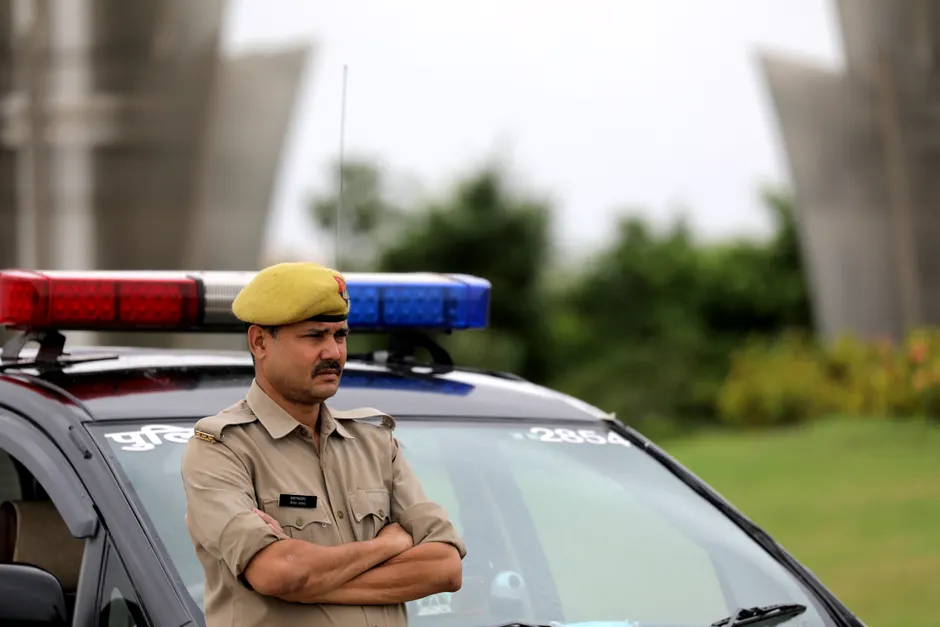
Two days later, on July 7, police shot and killed a man described as the main suspect. Police said he tried to grab an officer's gun and run away. Opposition politicians have questioned whether this shooting was legal, pointing out that similar police shootings in other states run by the ruling BJP party have been contested in the past.
Chief Minister Suvendu Adhikari, the new leader of West Bengal's government, visited the victim's family and promised to seek the death penalty for those responsible. He also described the mob killing of the innocent man as part of a "communal" conflict and a "political conspiracy." Opposition parties disagree with this framing, and his words have not calmed tensions in a state deeply divided between his BJP party and the Trinamool Congress, which ruled for 15 years before losing power in April 2026.
More than 35 people have been arrested in connection with the mob violence and the wider unrest that followed. Police have banned public gatherings across the state and brought in paramilitary forces to sensitive areas. Workers from both political parties have clashed in the streets, and shops have been vandalized.
To understand what is happening now, it helps to know what came before. The BJP won April's state elections partly because voters were angry about safety for women—anger sparked by the 2024 rape and murder of a trainee doctor at a government hospital in Kolkata. That case became the defining issue of the election campaign. Adhikari campaigned on restoring order. He also has a history of making inflammatory statements about Muslims.
The tension in how Adhikari is framing events is worth paying attention to. A chief minister calling for execution of the girl's killers while also framing the mob killing of an innocent man as a threat to Hindus is making two different kinds of arguments about violence—one focused on justice for the child, the other on political and religious grievance. His approach matters because it may shape how West Bengal's opposition parties and Muslim residents understand whether the new government can handle communal violence fairly. Similar police shootings in other BJP-run states, particularly Uttar Pradesh, have become common and controversial.
What happens next depends on the investigation. The police team's findings and what becomes of the remaining suspects will determine whether the case is remembered mainly as a terrible crime against a child, or as the moment when West Bengal's fragile peace between religious communities began to crack in a way people will not forget.