The EU Is Telling Meta to Change Facebook and Instagram or Pay a Huge Fine
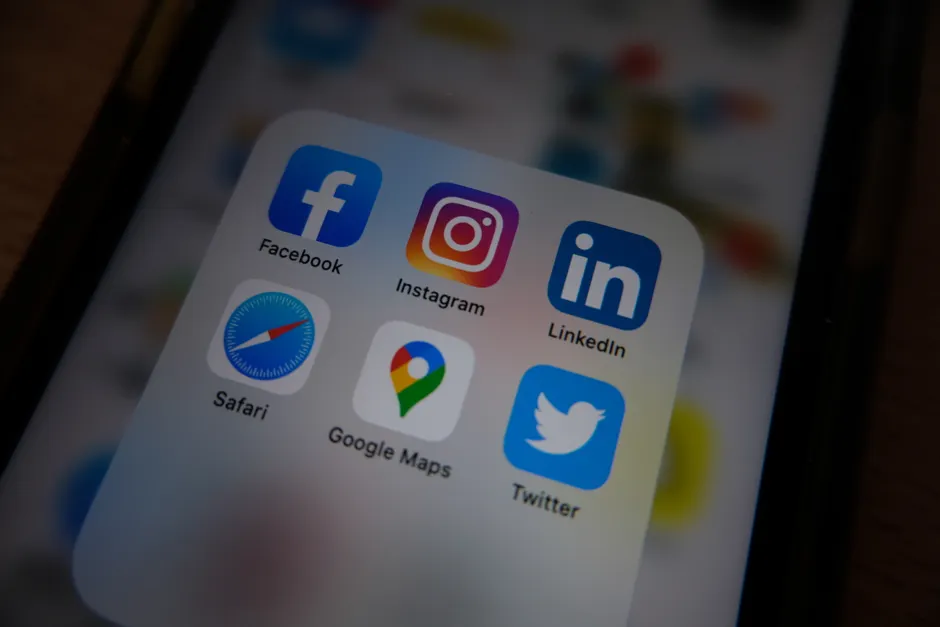
The European Commission announced on July 10, 2026 that Meta must redesign Facebook and Instagram to make them less addictive, or face a fine of up to 6% of its yearly global earnings. The EU says the company has broken its Digital Services Act European Commission.
The EU's complaint focuses on four specific features: infinite scroll (the endless feed that keeps loading as you swipe), autoplay (videos that play on their own), push notifications (messages that pop up on your phone), and recommendation algorithms (the system that decides what to show you based on what you like). The Commission says these features are designed to keep you scrolling and put your brain on autopilot TechCrunch.
The core issue is that Meta failed to protect users — especially young people — from the risks of spending too much time on these platforms. European law says large social media companies must identify and reduce these risks. The EU found that Meta ignored research showing how many hours teenagers spend on Instagram and Facebook at night TechCrunch.
Meta does offer some protections: time limits that teens can set on how much they use the app. But the EU says these tools are easy to turn off — a single tap — so they don't actually solve the problem. The company's design itself still pushes people to keep scrolling.
The EU wants Meta to:
- Turn off infinite scroll and autoplay by default (you would have to actively turn them back on to use them)
- Add breaks in your feed that aren't just suggestions but actually interrupt your scrolling
- Change how the recommendation algorithm works so it doesn't just chase engagement time
This is a preliminary finding, not a final decision. Meta can examine the EU's evidence and file a response before any fine is confirmed TechCrunch. Meta has not yet publicly commented.
This is Meta's second run-in with EU regulators this year. In April, the Commission found that Meta was not keeping children under 13 off its platforms The Guardian. Both cases make the same point: it's not enough to have safety features that users can switch off. The protections have to be built into how the platform actually works.
The Irish regulators, who oversee Meta's operations in Europe, are also investigating. In May, they began looking into whether Meta uses "dark patterns" — design tricks that make it hard for users to protect their own data and rights Reuters.
Meta is far from alone in facing these challenges. TikTok was charged in February 2026 with breaking EU content rules over addictive features Reuters, and Shein faced EU investigation for illegal sales alongside addictive design Reuters. In July, European regulators announced they're stepping up their focus on how big tech companies design their platforms Reuters. The EU is also developing a new Digital Fairness Act that would ban manipulative design practices and addictive features across digital platforms, rather than handling each case one at a time Reuters.
Meta faces similar pressure in the United States. Around July 7, four U.S. states filed a lawsuit seeking $1.4 trillion in penalties, claiming Meta intentionally designed Facebook and Instagram to addict young users while lying to the public about how safe the platforms are TechCrunch. That trial is set for August Reuters.
The timing in Europe and America is different, but the question is the same: did Meta knowingly design these platforms to be addictive, and then hide that fact. Both cases turn on whether engagement-optimized design — designing to keep people scrolling — is something a company should have disclosed as a risk or a harm.
Looking at platform companies over decades, what stands out here is the gap between what the EU is asking for and what companies usually do. Flipping a setting is simple. Redesigning the recommendation system that decides what shows up in your feed is not — because the company's own teams use engagement metrics to prove their work is valuable. How Meta responds will matter far more than the fine itself. If the company simply adds another pop-up that users can dismiss, nothing changes for the billion people using Facebook and Instagram in Europe. If it actually rebuilds these features from the ground up, it signals that this kind of regulation can force real change.
A fine at 6% of Meta's global annual revenue would be substantial. But the bigger question may be whether Europe's definition of "effective" protection — rather than "present but easy to ignore" protection — becomes the standard that other regulators around the world adopt.


