Why People Are Now Hiding Meta's Smart Glasses in Public
Why People Are Now Hiding Meta's Smart Glasses in Public
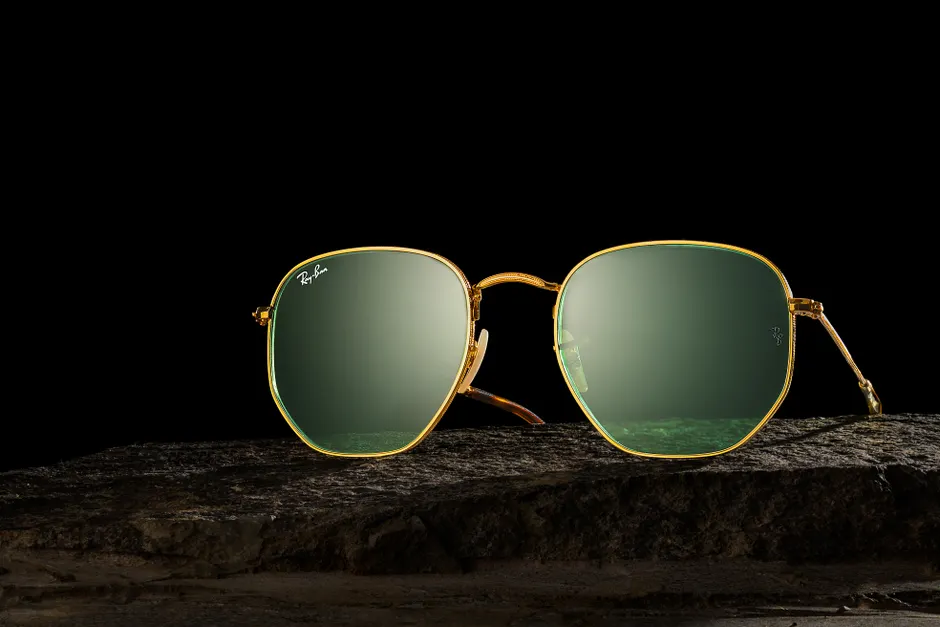
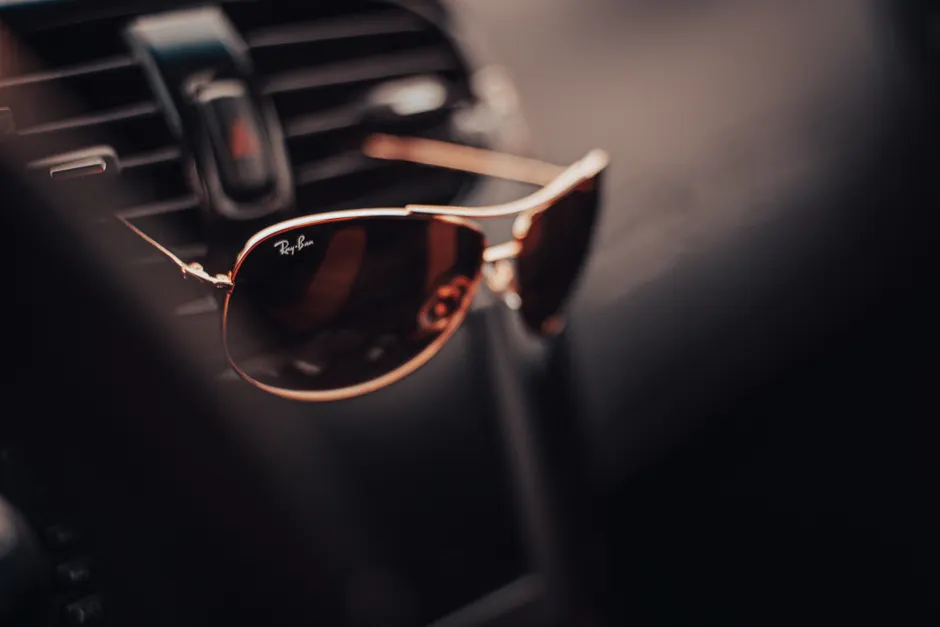
Early adopters of Meta's Ray-Ban smart glasses are increasingly reluctant to wear them in public, despite once promoting them enthusiastically. Five creators and photographers who received the devices have shifted from excitement to self-censorship, according to reporting by Engadget, as public opinion of the glasses has turned sharply negative.
The reasons are straightforward. Danielle, a travel host based in Florida, stopped wearing her glasses after learning that Meta contractors review the images captured by the device. Christian Eisenbarth, a videographer in Los Angeles, has avoided wearing his glasses outside his home altogether, worried people will see him as a "creep." Another early adopter, Martino Wong, now folds his glasses and hangs them visibly on his shirt when in crowded places — a makeshift signal that he isn't recording.
The online backlash has been intense. "Meta Glasses" began trending negatively on Threads, Meta's own social platform. On Bluesky, another social network, users regularly post calls for violence against people wearing what they call "pervert glasses." This hostility stands in sharp contrast to the glasses' launch, when the $299 price tag and fashionable Ray-Ban design made them seem like normal eyewear, not surveillance devices.
Two specific developments have fueled the shift in public sentiment. First, Meta released a cheaper version of the glasses. Second, reports emerged that Meta is working on a facial recognition feature — technology that could identify people without their knowledge or consent. Meta has been developing this capability since at least May 2025, according to Engadget's reporting, despite the current glasses already including a small light that indicates when they are recording.
The recording indicator itself has become controversial. In July 2026, Meta announced it would disable the glasses' camera if someone tampers with the recording light — an attempt to prevent people from secretly covering it up. Yet this same announcement "not only reignited, but also intensified public anger," Engadget reported on July 7, 2026.
Privacy advocates sounded the alarm months earlier. In March 2026, the Electronic Frontier Foundation published a warning titled "Think Twice Before Buying or Using Meta's Ray-Bans," noting that Meta's glasses had moved from an obscure gadget to mainstream products, a shift that raised serious privacy questions, the EFF wrote on March 10, 2026.
Legal problems have followed the public outcry. In March 2026, Fortune reported on a lawsuit claiming that Meta smart glasses were used to film or watch workers without their permission. A person quoted in that report noted that existing law "is simply not built for what Meta's glasses make possible" — including scenarios where someone could identify a witness in court without that person knowing, according to Fortune's March 27, 2026 article.
Meta has defended the product. The company maintains a dedicated privacy page stating the glasses were "developed with your privacy in mind" and let wearers "control over what and when you share." Meta also updated its broader privacy policy, which took effect on June 29, 2026. The company even announced a new feature at CES 2026 — a teleprompter display for the Ray-Ban glasses — expanding what the product can do, even as its reputation deteriorates.
The core tension here cannot be fixed by software updates or policy changes alone. A wearable camera that gives no obvious, permanent signal that it is recording puts all the burden on people around the wearer. Those bystanders have no way to opt out of being filmed. The folded-glasses gesture some users now employ — holding them visibly to signal "I am not recording" — is a workaround that proves the underlying problem: the hardware itself does not solve it.
It is also worth noting that much of the backlash has organized on Threads, Meta's own social platform. This detail reveals something important about how technology companies operate: their advantage in controlling social networks does not shield them from becoming targets of the very viral dynamics they have built.
We have seen this pattern before. A decade ago, Google Glass drew similar mockery — people called users "Glassholes" — before the product quietly shifted to uses in hospitals and warehouses rather than mainstream consumer markets. What is different now is the sheer scale and power of the technology involved. AI glasses now sell at consumer prices with built-in computer vision, and facial recognition sits on the product roadmap, not in a discarded prototype. How Meta responds to the current backlash — whether it pulls back on facial recognition features or lets public pressure shape the rollout anyway — will likely decide whether these devices become everyday tools or follow Google Glass into a narrower, more limited space.