Pokémon Go Turns 10: A Game That Defied the Odds
Pokémon Go Turns 10: A Game That Defied the Odds
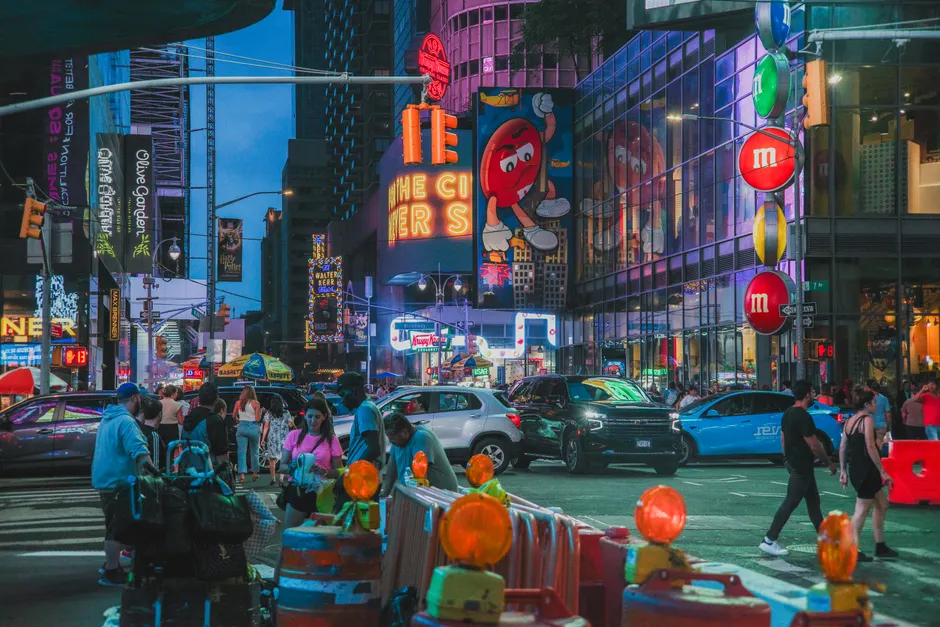
Nearly 2,000 players gathered in Times Square on Thursday evening to catch a rare Pokémon called Mewtwo. As they played, the district's billboards went dark and then lit back up in sync with the game action — a coordinated moment that capped off Pokémon Go's 10th anniversary, officially marked on July 6, 2026 The Verge. The game followed that event with Pokémon Go Fest 2026, a global celebration that kicked off on July 11, 2026 Niantic Campfire.
A Mewtwo can "Mega Evolve" in the game — a transformation that makes it stronger and more valuable. Michael Steranka, an executive who helped run the live events for the game, said that having over a thousand people battle a single Mewtwo together was "just a pipe dream" when the game was first created in 2015 The Verge. The Times Square moment felt like proof that the game's creators had finally delivered on that original vision.
The Long Road to Times Square
That context matters. The first Pokémon Go festival, held in Chicago's Grant Park in 2017, nearly collapsed. The game's servers got overwhelmed, features crashed, and thousands of players in one place at once turned the event into a failure Niantic. Niantic, the company that made the game, publicly took responsibility and gave refunds to attendees.
Steranka was involved in that Chicago disaster nine years ago. His presence at the Times Square event suggests something important: the game's technical infrastructure — the computer systems and networks that run it — has matured enough to handle thousands of people triggering coordinated actions across a crowded city block. That's an engineering achievement worth noting, even if the headline reads as a party, not a technical milestone.
A Franchise That Stayed Power
Pokémon Go has changed hands. Scopely, a company that specializes in running long-lived mobile games, acquired Niantic's games business ahead of this anniversary push The Verge. That means the Times Square event and the global festival are Scopely's first real showcase of what the game can do under its ownership.
By the numbers, the game has been a lasting commercial success. Pokémon Go has been downloaded more than 800 million times and made $1 billion in revenue during 2025 alone The Verge. Those figures tell you this anniversary celebration isn't just nostalgia. It's proof that a decade-old mobile game can still make serious money.
What Was Actually in the Game
Mega Mewtwo X and Mega Mewtwo Y debuted during the festival, appearing in special "Super Mega Raids" where players team up to fight them Pokémon GO. Later, during the Global event, both versions appeared in regular raids alongside other powerful creatures Pokémon GO. There was also a limited-time event called Road of Legends where players could teach Mewtwo two exclusive moves using in-game items Pokémon GO.
The celebration wasn't confined to New York. In-person ticketed events ran in Tokyo, Copenhagen, and Chicago Niantic. Free meetups happened in San Francisco, Antwerp, and New York City, organized through the game's community platform called Campfire Niantic Campfire — SF Niantic Campfire — Antwerp. Tokyo's celebration included a partnership with ANA airlines, which launched a special "Red Pokémon Jet" as part of the festivities Pokémon GO. A separate 10th Anniversary Party event was held on Saturday, July 4, 2026 Pokémon GO.
Why This Matters
The broader context here: Pokémon Go was written off by many as a fad. In 2016, after its explosive first summer, most people assumed it would fade away within a year or two. That didn't happen. The game proved that location-based gaming — the idea of going outside to a real place to catch digital creatures — wasn't just a novelty. It became a way for millions of people to socialize around where they live.
When Pokémon Go first launched, multiplayer events involving a thousand players couldn't be coordinated properly. The servers didn't have the capacity. Today, Niantic and Scopely can synchronize a raid battle involving thousands of people and tie it to a billboard display in Times Square. The shift from "this will break if too many people try it" to "we can orchestrate thousands seamlessly" is meaningful. It reflects a decade of experience running a game where the fundamental mechanic is bringing strangers together in real places.
The next question is what comes next. Scopely now has operational expertise in running an AR game at scale. The Times Square execution and the distributed festival across multiple cities suggest the company is thinking beyond raid battles. Where that muscle gets applied — whether to expand Pokémon Go itself or to build new games that use location-based mechanics — remains to be seen.