Company Says Fake Legal Letters Aren't From Them—A Reminder of How Easy Forgery Can Spread Online
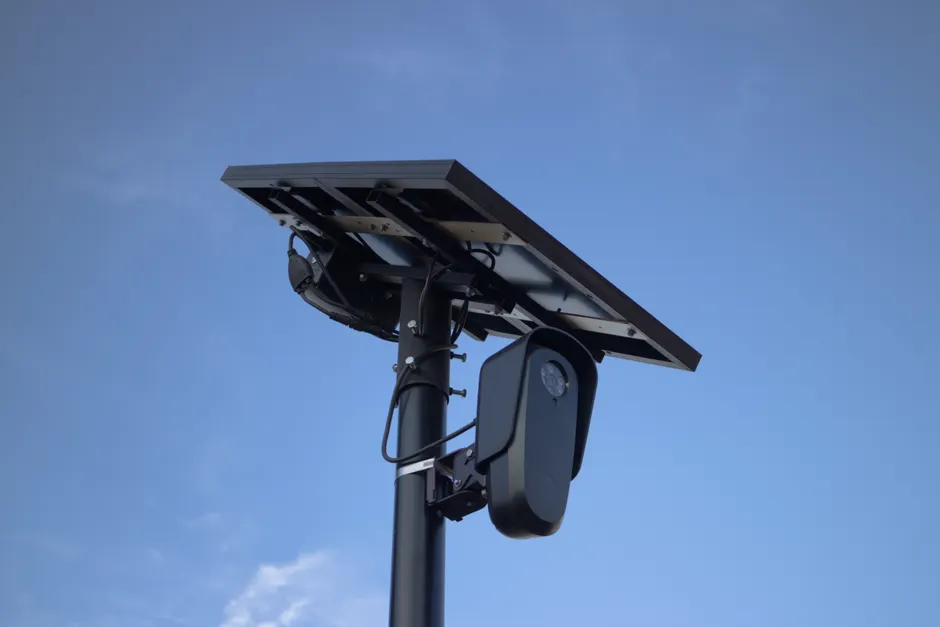
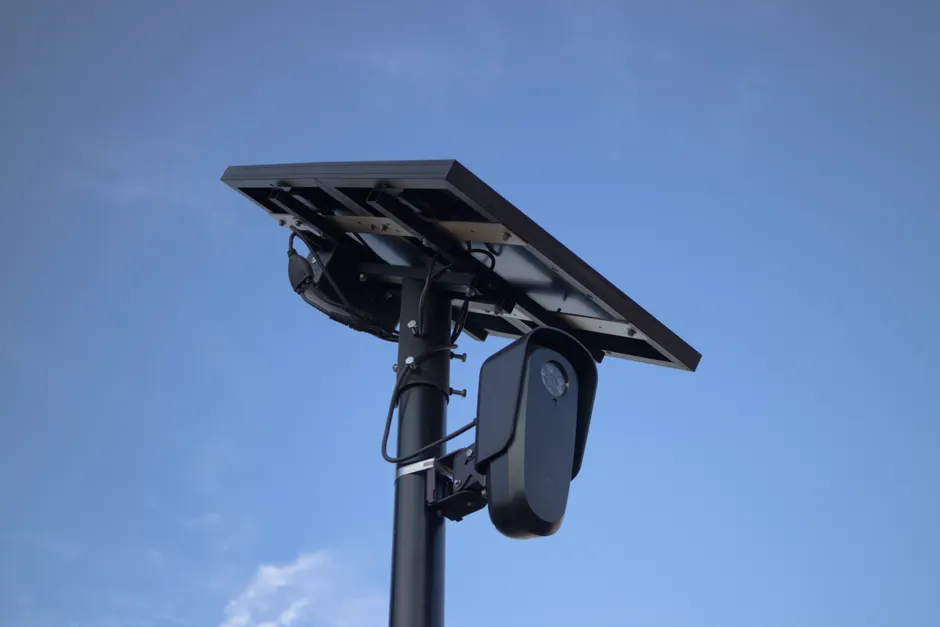
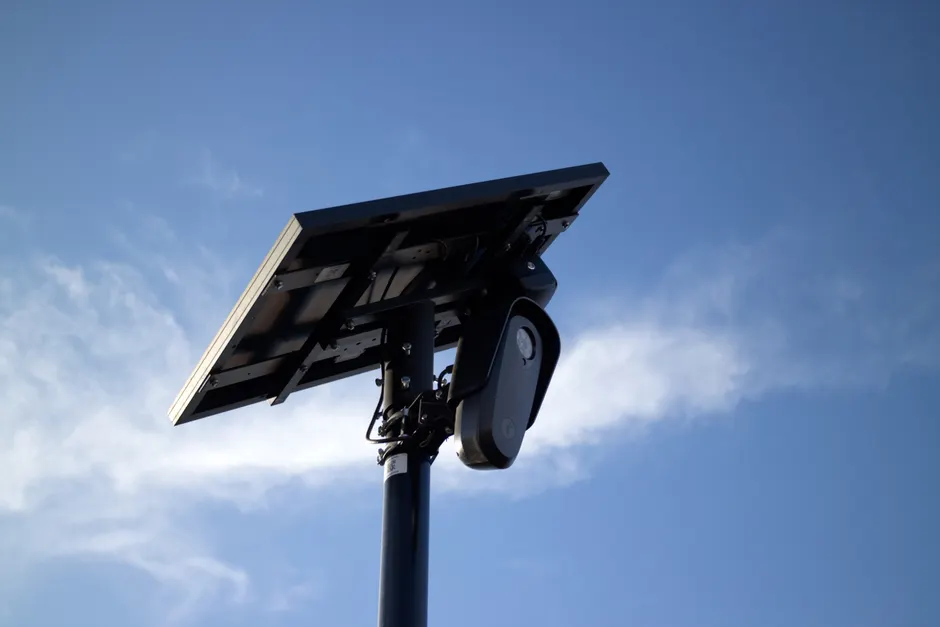
Flock Safety, a company that operates a large network of cameras to read and record license plates, says it did not send cease-and-desist letters that appeared online telling people to stop criticizing its technology. The company told The Verge that at least two forged versions of such letters are circulating The Verge.
The letters showed up after someone posted a screenshot on Instagram claiming it was an official legal warning from Flock. The post went viral because Flock's license-plate reader cameras have already become controversial — people worry about surveillance, where the photos get stored, and who can access them. So a document appearing to show the company trying to legally silence its critics got a lot of attention fast.
Flock responded by saying it welcomes criticism and debate about how its cameras work. The company said it has not and would not try to stop people from discussing its products The Verge. It also offered to talk directly with the people raising concerns.
The fact that at least two fake letters are out there — not just one — tells you something. One forged letter could be a joke or a mistake. Two suggests someone is either using the same fake repeatedly or other people are copying the fake now that they see it works to get attention.
Flock has not said who made the letters, how they spread, or why. The question that remains open is whether the forgeries were meant to make Flock look bad by saying it was trying to silence critics, or meant to actually scare the people receiving them, or both.
Fake legal threats have shown up in corporate disputes before. What is unusual here is that usually a company sends the threat to shut people up. This time, someone invented a threat and pretended it came from Flock. Flock then had to publicly say the threat did not come from them.
Flock's cameras have been controversial for a while. Police departments and private businesses use them to photograph and log license plates. Privacy groups and some local officials have questioned who gets to see the photos, how long they are stored, and whether the rules are clear enough. That ongoing concern is probably why the fake cease-and-desist letter spread so quickly once it appeared.
This situation shows how hard it is to check whether a screenshot of a legal letter is real. One post on Instagram was enough to create a controversy, even without proof. Newspapers and ordinary people do not have easy ways to verify such documents online, and social media rewards the fastest sharing over careful checking.
Flock chose to respond by saying it is open to conversation — which is an interesting choice for a company in the surveillance business. Whether the company actually follows through with that offer, and whether anyone figures out who created the fake letters, will be important to watch.