How a Shipping Dispute Set Off Military Strikes Across the Gulf
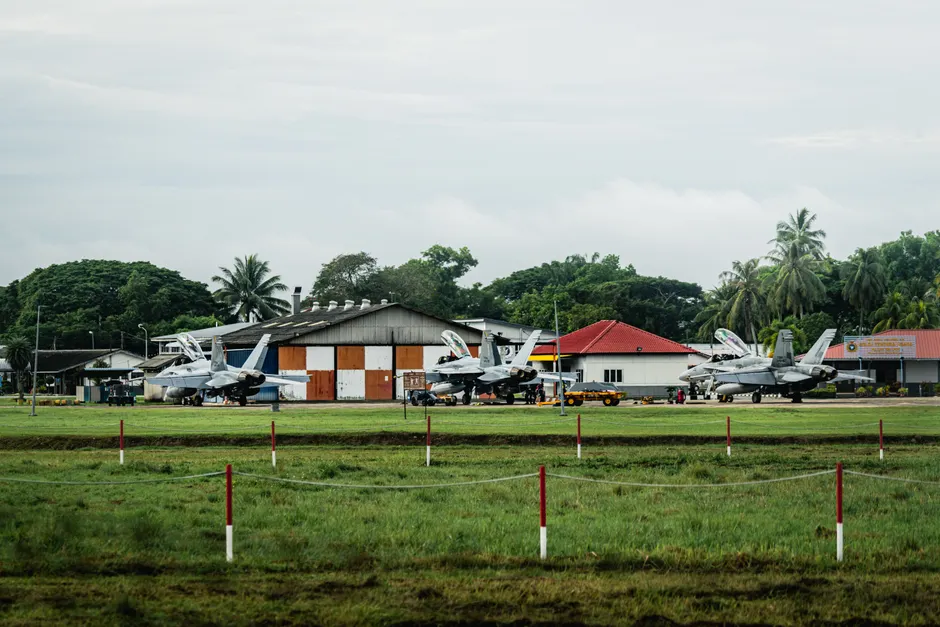
On July 13, Iran's military announced it had struck American military bases in Bahrain and Kuwait, destroyed radar systems in Oman, and hit a military air base in Jordan. Jordan said it shot down four missiles. Kuwait said its air defenses were fighting incoming targets, according to the Guardian's live coverage.
Iran's strikes came after the US launched overnight attacks on at least 140 targets inside Iran—air defense systems, radar stations, and weapons facilities. The US said it attacked because Iran's military fired on an American-linked container ship, accusing it of taking an unauthorized route through the Strait of Hormuz, a narrow waterway between Iran and Oman. In response, Iran announced it was closing the strait until further notice.
The Strait of Hormuz is one of the world's most important shipping lanes. About one-fifth of all global oil and natural gas passes through it each day. When Iran said it was closing the strait, shipping companies and oil traders immediately got worried. The US military said it would keep the waterway open. Commercial traffic slowed down to "reduced levels," meaning fewer ships were moving through—a sign of real disruption even if a total blockade hadn't happened yet.
This is not the first time Iran and the US have traded strikes. Since early July, there have been multiple back-and-forth rounds. The US military documented them in almost weekly announcements: strikes on July 7, then July 8, then July 11. Reuters reported Iran attacked Kuwait and Bahrain on July 8, after the US resumed its own strikes. Kuwait and Bahrain are both countries where the US keeps military bases. AP News documented earlier attacks on the same two places on June 28.
The conflict has spread to more countries. Iran claimed it struck US military targets in Qatar around July 9. This happened while Iran was preparing to bury its Supreme Leader Khamenei, who was killed in a US strike on February 28, according to Reuters. Kuwait has been hit the hardest among the countries involved. An Iranian attack on Kuwait's international airport in early June killed one person and injured more than 60. On July 9, Kuwait's military said it shot down several missiles and drones, though falling debris wounded one person.
The US and its allies have worked to keep Gulf countries on their side. In April, the US State Department released a document explaining its legal case for the operations, pointing to Iranian attacks on American personnel and Iran's nuclear and missile programs. The US held meetings with Gulf countries in late June and early July to coordinate responses. But despite these efforts, the fighting has spread to the very countries the US was trying to reassure and protect.
The situation puts Gulf countries in a difficult position. They host American military bases as part of long-standing security agreements, but now they're getting hit directly because of the US-Iran conflict—a conflict they didn't choose to join. Whether Iran actually closes the Strait of Hormuz and how much longer the strikes continue will affect oil prices and shipping costs worldwide. It will also determine how much further this conflict spreads before either side finds a way to stop.


