What You Need to Know About Iran's Latest Strikes on U.S. Military Bases

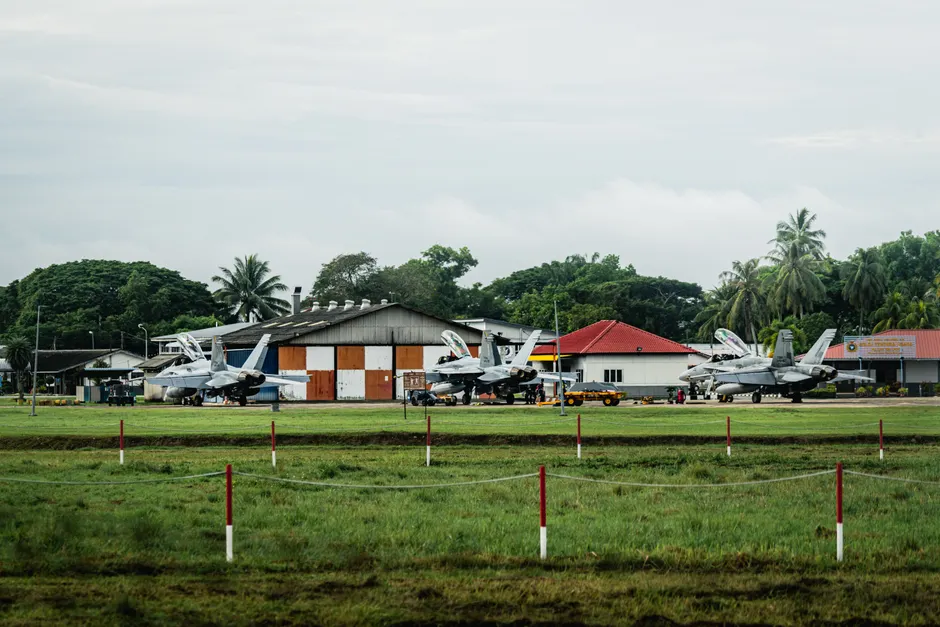
Iran's military launched missiles and drones at U.S. military bases across the Gulf on Monday, July 13. The strikes hit bases in Bahrain, Jordan, Kuwait, and Oman. Iran said it was striking back for recent American military attacks on Iranian soil.
Iran's military claimed it destroyed fuel depots, ammunition storage, radar systems, and weapons at these bases. However, the countries hosting these bases—Jordan, Kuwait, and Bahrain—confirmed they were attacked but did not say whether Iran actually hit all its targets. This matters because we cannot yet know the real damage.
To understand why this happened, we need to go back a week. On July 6–7, three merchant ships were attacked in the Strait of Hormuz—a narrow waterway between Iran and Oman through which about one-third of the world's sea-transported oil passes. Iran then declared the strait closed. A few days later, Iran warned foreign countries to stay out. The U.S. military responded by striking Iranian targets. By July 12, the U.S. had struck 140 targets inside Iran. Then came Iran's July 13 strikes.
What makes July different from earlier fighting is that the attacks spread across multiple countries at once. In June, the two sides had exchanged smaller strikes. Now, missiles and drones hit bases in Bahrain, Jordan, Kuwait, and Oman all on the same day. This pulls U.S. military partnerships across the entire Gulf region into the conflict.
There is a bigger backdrop to all of this. In April, the U.S. said it had set up a blockade to keep the strait open and stop Iranian aggression. By June, the U.S. claimed it had worked out a deal with Iran that fully reopened the strait. Now, just one month later, the two sides are striking each other and arguing about whether the strait is open or closed. The deal appears to have fallen apart.
Right now, both sides are saying different things. Iran claims the strait is closed because of U.S. actions. President Trump said on television that the strait is open. We cannot know which is true without watching actual ship traffic and checking insurance rates for shipping—but that data takes time to gather.
The question for the next few days is how countries like Bahrain, Jordan, and Kuwait react. These countries host U.S. military bases, so they are caught in the middle. If they publicly support the U.S., the conflict may spread. If they push for a ceasefire, things might calm down. What these countries say and do may determine whether this fighting continues or stops.