Why the U.S. and Iran Keep Fighting Over a Shipping Lane

The U.S. and Iran agreed to a ceasefire a few weeks ago. This week, that truce fell apart. Both sides launched military strikes again, and the fight is centered on a crucial waterway called the Strait of Hormuz. The New York Times reported the ceasefire broke down on July 12, and by July 13 the U.S. military said it had finished its latest round of strikes, per AP News.
Here's what triggered the latest round: On July 11, Iran fired on a ship in the Strait of Hormuz and said the waterway was closed to traffic. The U.S. responded with military strikes. President Trump dismissed Iran's claim, saying "Yeah, it's open" — a response Washington repeats whenever Iran tries to assert control over the strait, according to CNN. By July 13, Reuters reported Iran had attacked U.S. military bases across the Gulf region and threatened more incidents in the strait.
This isn't the first time the ceasefire has broken. Earlier in July, Iran attacked three ships in the strait. The U.S. used this as justification for striking Iranian targets and blocking Iran's oil sales, per AP News. Just a week before the latest collapse, on July 1, Qatar had brokered a deal to reopen the strait and extend the ceasefire, according to AP News. The fact that agreement lasted only days shows how fragile these truces are.
The original ceasefire itself had a fundamental problem. When Trump agreed to the June ceasefire, the deal required Iran to completely abandon its nuclear program. But Iran's leaders disagreed with that demand almost immediately, according to the Institute for the Study of War. A ceasefire built on a contested condition was unstable from the start.
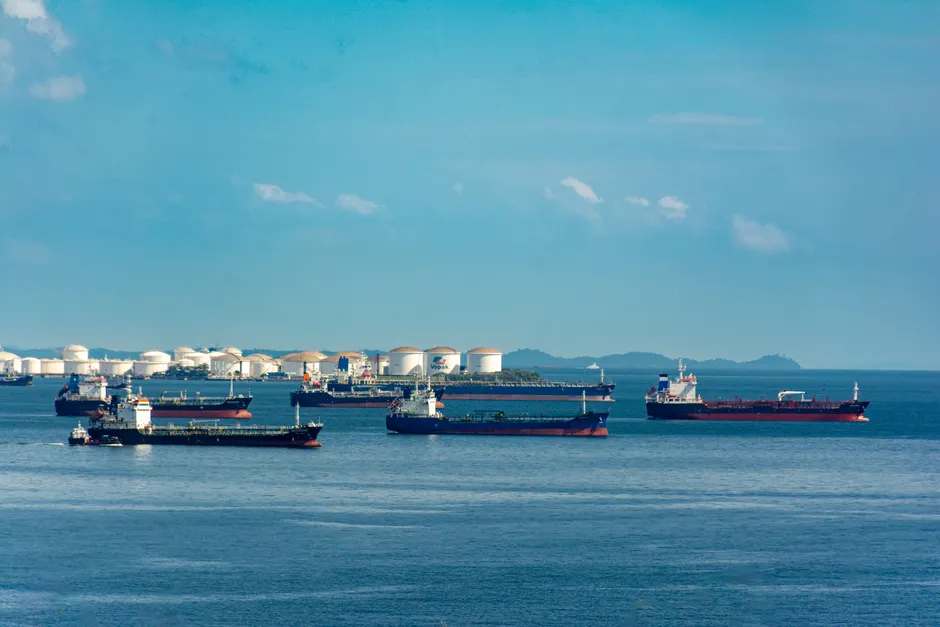
Why does this matter? Think of the Strait of Hormuz as a critical chokepoint in global oil supply. Roughly one-fifth of the world's oil consumption travels through this narrow waterway every day. When either side threatens to close it, energy traders treat it as a major emergency — whether the threat is realistic or not. On July 13, oil prices jumped more than 4% as traders reacted to the renewed fighting, per Reuters. Shipping traffic through the strait also fell to a multi-week low as companies rerouted vessels for safety, Reuters reported.
What stands out about this cycle is the pattern of shrinking truces. The June ceasefire lasted weeks. The July 1 extension lasted days. This latest one lasted roughly ten days. Each time, the same script plays out: Iran says the strait is closed, the U.S. says it's open, both sides fire, and the process repeats. The question is whether this back-and-forth can continue indefinitely as shipping confidence erodes and markets become more volatile.