Europe's Leaders Meet in Paris: What They're Deciding About Ukraine

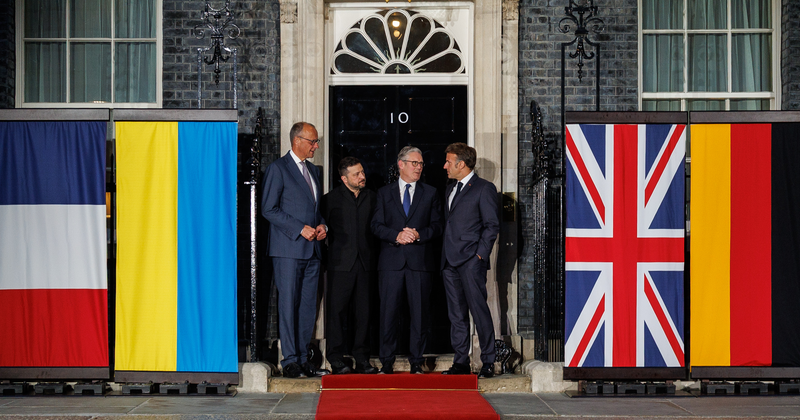
On July 13, 2026, more than 25 world leaders gathered in Paris to figure out how to help Ukraine against Russia and push Russia to stop fighting. President Zelensky of Ukraine was there Kyiv Post.
That same morning, French President Emmanuel Macron gave a speech to France's military. He said Europe was ready to "defend itself and freedom with blood if necessary" France24.
What Macron actually said in French was a bit more specific. He said Europe would defend "freedom and the rule of law"—not just freedom, but also the legal systems and agreements that nations rely on Sud Ouest. French media called this part of what Macron termed a "strategic awakening"—his way of saying that Europeans are finally realizing they may need to defend themselves without automatically counting on American help TV5Monde.
When English-language news services reported the speech, they mostly focused on "freedom," leaving out the part about law and legal rights AP via Yahoo. This matters because Macron was trying to send a message to his own military about defending international agreements and treaties, not just the idea of freedom. It's easy to lose that meaning when something gets translated and shortened for international news.
Macron's speech came just hours before the Paris meeting with all the other leaders. Whether this was planned or coincidence, it set the tone: Europe is talking seriously about being ready to defend itself Le Monde.
This Paris meeting is one of the bigger gatherings of what's called the "Coalition of the Willing." That's a loose grouping of countries that work together to help Ukraine without going through formal NATO or European Union channels UATV. It includes countries that strongly support Ukraine but keeps out countries that want to avoid conflict with Russia.
What happens next depends on what the leaders actually promise to do. They might pledge more weapons, set up security arrangements to protect Ukraine after any war ends, or they might just agree to keep supporting Ukraine without making big new commitments. The real measure will be in the actual weapons and money they provide in the coming weeks, not in what they say at the meeting.
Behind all this is a bigger European question: who pays for European defense? For decades, the United States guaranteed Europe's security. Now Europe is asking whether it can and should do more on its own. Macron's "strategic awakening" language suggests Europe is moving toward taking on more responsibility. But talking about change and actually spending money and risking lives are two different things.