A Healthcare AI Company Hires a New Leader to Help Doctors Save Time
A Healthcare AI Company Hires a New Leader to Help Doctors Save Time
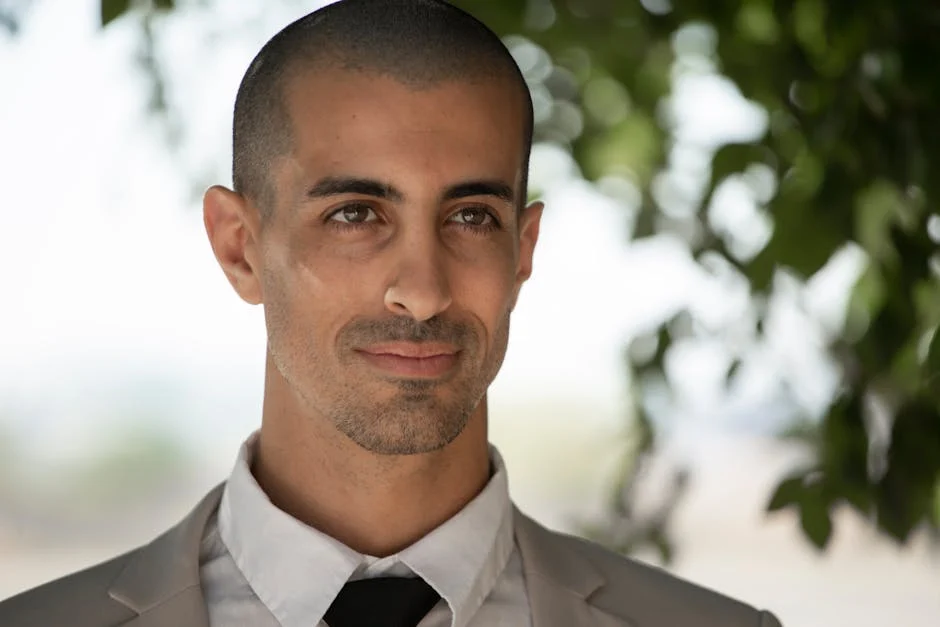
Healthcare AI company Basata has hired Brandon Theophilus as Senior Vice President of Growth, starting November 17, 2025. Theophilus spent over 20 years leading technology work at NextGen Healthcare, a company that serves about 150,000 doctors and healthcare providers. His arrival comes as Basata signs partnerships with cardiology practices — medical offices focused on heart care — to use AI agents that handle routine administrative tasks.
What Basata Actually Does
Basata builds AI tools that handle paperwork and administrative workflows in medical practices. Think of it like having a digital assistant that reads incoming faxes, sorts them, enters data into the right systems, and handles patient phone calls — all without a human doing the work.
The company recently partnered with Tri-City Cardiology to deploy these AI agents. In a cardiology office, that means AI handling incoming referrals and test results that normally require someone to manually sort through, route to the right doctor, and type into the computer system. The AI also answers routine patient calls — scheduling appointments, handling refill requests, and answering common questions — especially outside business hours when the office is closed.
Basata also announced a partnership with MedAxiom, an organization that advises multiple cardiology practices on operations. This partnership aims to make Basata's platform a standard tool across cardiology offices trying to reduce manual administrative work.
Why This Matters to Healthcare
Healthcare administrative work consumes about 8% of total healthcare spending in America. A big chunk of that comes from manual paperwork, patient phone calls, and communication between offices. Most healthcare still relies on faxes — an outdated technology, but entrenched because of regulations and existing workflows — and those faxes require someone to read, sort, and handle them.
AI agents can speed this up. They reduce delays in sharing information between providers that affects patient care. They handle patient calls faster during busy periods. They reduce errors from manual data entry. And they work 24/7 without needing shifts or breaks.
Unlike AI tools designed to help doctors write notes or make medical decisions, Basata's AI replaces manual administrative processes altogether. That makes it easier for practice managers to measure whether it saves money.
What This Hiring Means
Theophilus's experience managing large healthcare provider networks suggests Basata is planning to expand beyond cardiology into other medical specialties. His background understanding different practice sizes and operational models is relevant to that kind of growth.
The broader pattern in healthcare technology is familiar. New tech solutions that focus on one specific problem often gain traction first, then expand to other areas. That is how early electronic health records — the main software systems doctors use to store patient records — rolled out to practices decades ago.
Basata appears positioned to handle administrative tasks, not clinical decisions or competing with major EHR vendors. That is a narrower, but clearer, path to adoption. Practices can install these AI tools without disrupting their main clinical software or requiring doctors to learn new systems.
The company is small — about 2 to 10 employees, according to public LinkedIn data — so scaling will likely happen through partnerships with consulting organizations like MedAxiom rather than direct sales. Theophilus's new role signals plans to expand.
The Broader Trend
Healthcare AI agents for administrative tasks are rolling out across multiple workflows: patient outreach, processing insurance pre-authorizations, claims management, and documentation. Voice agents handling routine patient calls are particularly active because practices face staff shortages and want to keep patients able to reach them.
The main challenge is that medical practices use many different software systems that have to work together. Successful deployments require careful planning and phased rollouts rather than wholesale replacement of existing processes. Partnerships with consulting organizations that understand these complexities reduce risk for individual practices.
Over time, these AI tools are likely to become standard infrastructure in medical offices, much like cloud-based scheduling and billing software gradually replaced older systems over the past decade. Practices that adopt them effectively may handle more patients without hiring more staff.
One important caveat: healthcare AI regulations are still being written. Questions remain about who is legally responsible if something goes wrong, how practices should audit these systems, and what quality safeguards are required. Practices deploying AI agents will need clear internal processes and ongoing oversight as regulatory guidance develops.


