SpaceX and Qualcomm Plan a Nationwide Phone Network That Uses Towers and Satellites Together

SpaceX has agreed with Qualcomm to build a nationwide mobile network, under a deal that runs for several years. PCMag reports that the planned service is named Starlink Mobile.
The main technology is Qualcomm's Dragonwing Cellular Infrastructure. It is a set of hardware and software designed to improve network coverage, capacity and efficiency. Coverage is how much area gets a signal. Capacity is how many people can use that signal at once.
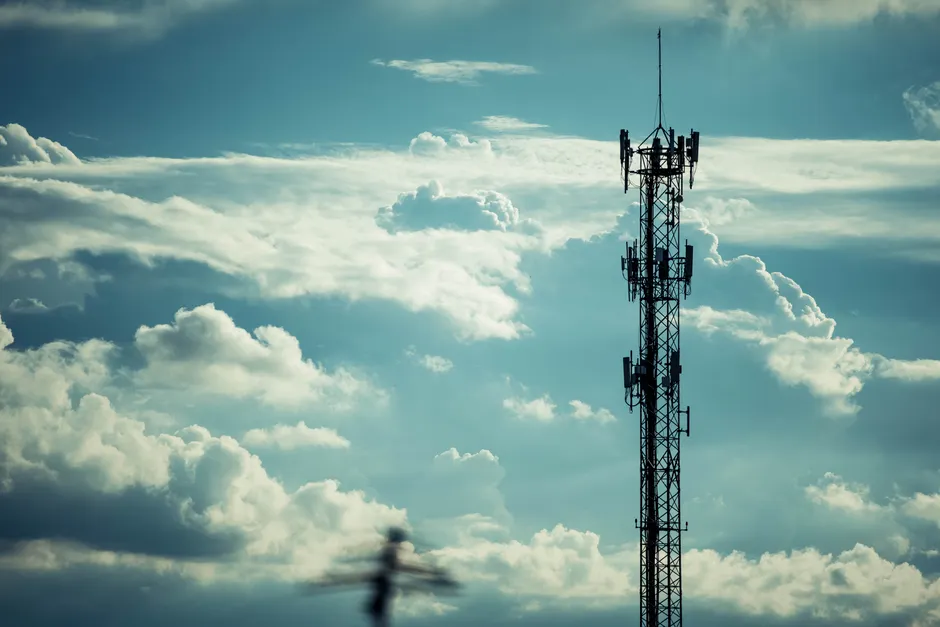
The Verge reports that SpaceX will bring Dragonwing technology to tens of thousands of 5G cell sites across the United States. The first deployments in that rollout are set for 2027.
The cell towers are only half of the plan. SpaceX also intends to combine Dragonwing with its direct-to-cell satellites, which can link straight to phones. The ground sites and the satellites would work as one network, not as two separate services. Qualcomm's announcement describes the agreement as a way to speed up the Starlink Mobile build-out.
Everything here is still a plan. The 2027 date marks the first deployments, not a finished network. The number of cell sites is a target.
In my view, the first question engineers will ask is about handoffs. Picture a phone call that starts on a tower and then moves out of range, so the call has to pass to a satellite beam without cutting off. The phone must switch links smoothly. How well the cell-site system and the satellite network work together will decide whether that happens cleanly. Qualcomm names three goals for Dragonwing: coverage, capacity and efficiency. Each one depends on how the two layers share radio spectrum, the bands of airwaves that carry signals, along with scheduling and core network functions.
The broader context here is the cost of covering rural areas. Building tens of thousands of cell sites is a large job for any carrier. Remote sites are often the hardest to justify on a standard business case, and they are also where a satellite layer may add the most. If the combined design works, people who now depend on a single tower, or on no tower at all, could get better service. That is the direction the plan points. It has not been shown to work yet. The 2027 deployments will be the first real test of how the pieces fit together.