America's Emergency Oil Backup Is Running Low and Breaking Down
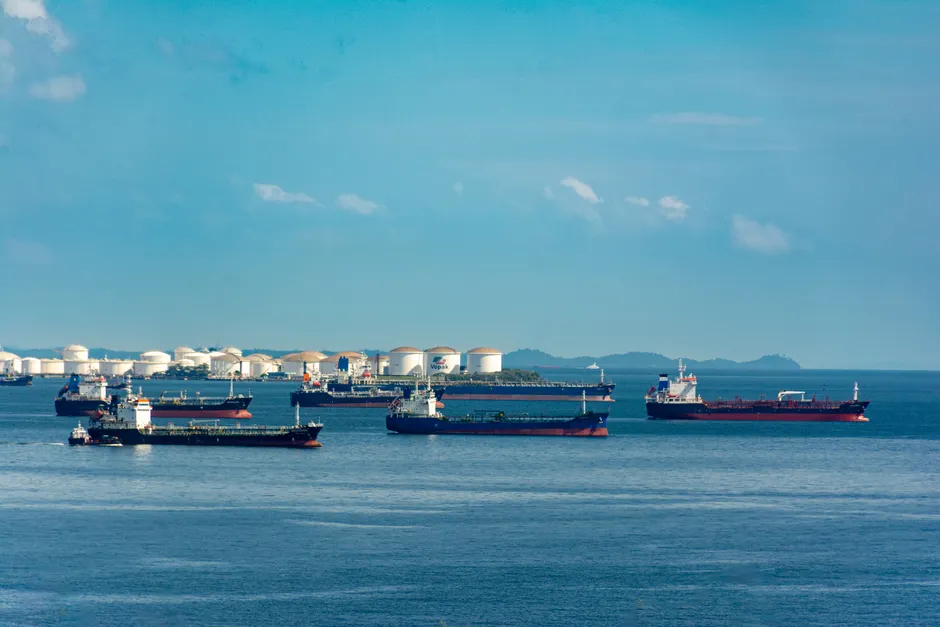
The United States keeps a giant emergency supply of oil stored underground, called the Strategic Petroleum Reserve. On July 3, 2026, that supply fell to 319.5 million barrels—the lowest level since 1983, according to Reuters. The Trump administration said it released the oil to help bring down gas prices, per the Washington Examiner. This was the second-largest withdrawal in its history.
But here's the real problem: the equipment storing the oil is breaking down. Government auditors found that the reserve has had 16 major equipment failures since 2013, per a Government Accountability Office report. That's more than triple what the Department of Energy had officially reported. These failures include problems with water pipes and systems that dispose of salt water—side effects of how the oil is stored.
Why does salt water disposal matter? The oil sits in underground salt caverns. When you fill those caverns with oil, salt water left over from the storage process needs somewhere to go. The pipes carrying that water are essential to the system. When they leak or fail, the whole operation is at risk. Auditors said in June 2026 that the government needs a real plan for the reserve "amid massive drawdowns & maintenance backlogs," per GAO.
The Department of Energy has named the risks directly in its budget paperwork: equipment failures, accidents, and even deliberate attacks are all concerns for the future, per the DOE budget document. In February 2026, energy officials reviewed how well private contractors are managing one of the four main storage sites, per the DOE assessment. These checks are how the government watches whether the reserve is being properly maintained.
The timing is uncomfortable because the world's oil supply is fragile right now. A critical shipping lane called the Strait of Hormuz—through which roughly one-fifth of the world's traded oil flows—is caught in a standoff between the U.S. and Iran. On July 10, 2026, the U.S. demanded Iran publicly promise to stop attacking ships in the Strait, per Reuters. Ships had already slowed down because of the clashes, per Reuters. Iran said it had the right to control the Strait and warned countries against taking sides with the U.S., per Reuters video.
Then things shifted quickly. On July 11, Trump said the U.S. and Iran would keep talking and that the ceasefire was over, per Reuters. A day later, he said the Strait was open for normal shipping, per Reuters. Those two statements don't quite fit together, so traders are watching real ship traffic numbers instead.
The White House made clear its position months earlier. In May 2026, the administration said it won't let countries or militant groups use the Strait of Hormuz or the Red Sea as "hostages," per the White House strategy document. And in June 2025, the White House said Trump has never wavered on one goal: keeping Iran from getting a nuclear weapon, per the White House.
Here's why this matters to your wallet. Think of the Strategic Petroleum Reserve like a spare tire. When there's a supply shock—say, a disaster cuts off oil from a major region—the government can pump out reserve oil to keep prices from spiking. But a spare tire is only useful if you have enough rubber left and if it won't blow out when you need it. Right now, America's reserve is at a 43-year low and the equipment is failing more often than officials expected. At the same time, a real chokepoint for global oil supply is getting riskier. That means if something goes wrong with the Strait of Hormuz, the government has less oil to release and less reliable equipment to release it from.
None of this predicts where oil prices will go. The facts are clear—how much oil is stored, how many times equipment has failed, whether ships are moving through the Strait. But gluing those facts together to call a direction on prices would pretend to know more than anyone actually does. What is plain from the evidence: the reserve is under strain, running at a historic low, at a time when global oil supply faces real risk.


