What's Happening Between the US and Iran Right Now
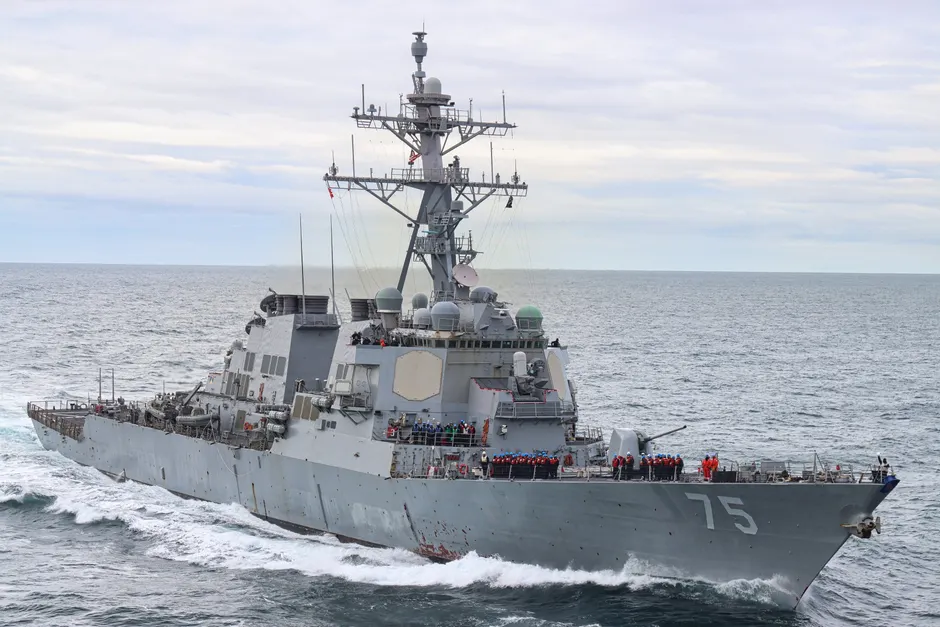
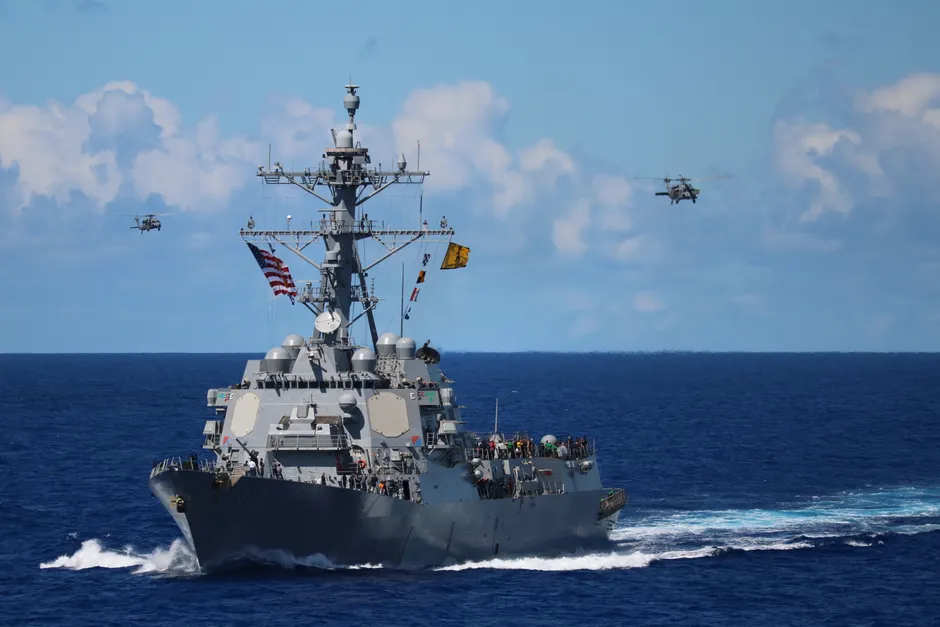
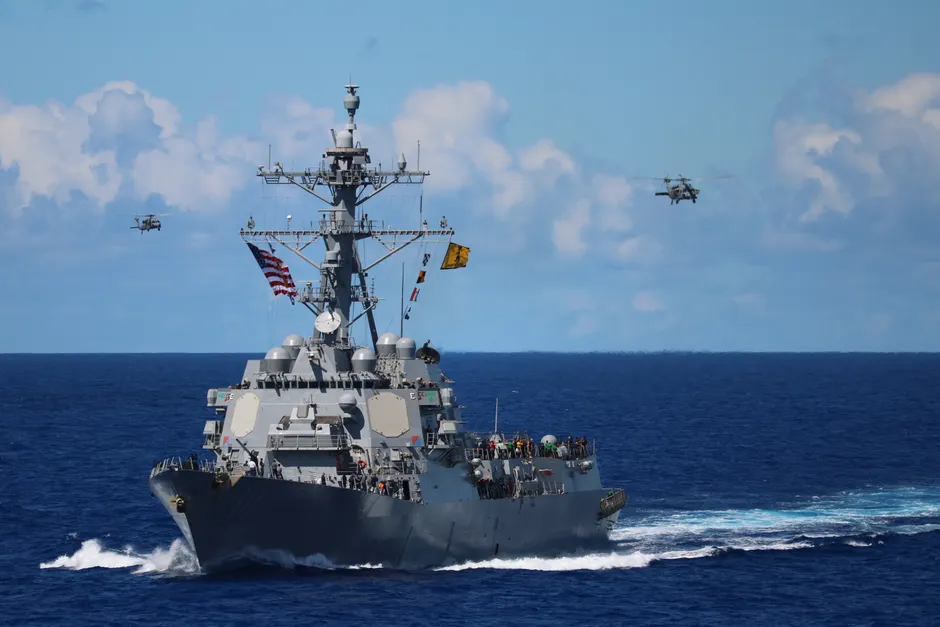
The United States bombed Iran for the third night in a row on Monday. At the same time, President Trump announced he is blocking Iranian ports and will charge a 20% fee on ships passing through the Strait of Hormuz, a vital shipping route The Guardian. The US military said the strikes aim to stop Iran from attacking ships in that waterway.
These bombing campaigns have gotten bigger each time. The US hit around 80 targets on July 7, roughly 90 targets the next day, then nearly 140 in another round on July 11, and another wave on July 12 CENTCOM. Monday's strikes included an unmanned drone that attacked a naval facility at Bandar Abbas.
Trump made bold statements about the campaign. Speaking to a radio host, he said: "We're going to hit them very hard tonight and we're going to hit them hard tomorrow – and there's not a damn thing they can do about it." On social media, he called the US the "guardian of the strait of Hormuz" The Guardian.
This blockade is a dramatic shift from just weeks ago. In June, the White House announced a major deal with Iran saying the Strait of Hormuz would be open to all ships without restrictions White House. Trump said the deal was done and ships could pass freely. Now that agreement has fallen apart. On Monday, the US Navy announced a blockade starting Tuesday that would stop Iranian ships or any vessel without permission from entering or leaving Iranian ports The Guardian. The Navy said it would intercept unauthorized ships "with force if necessary." However, ships heading to other countries like Saudi Arabia and the UAE can still pass through.
There is a legal contradiction here. In June, Secretary of State Marco Rubio said no country is allowed to charge fees on the Strait of Hormuz, calling it "existing international law" The Guardian. Yet now the Trump administration is proposing to charge a 20% fee on cargo passing through. The International Maritime Organization (IMO), which sets global shipping rules, says it is still studying whether this fee is legal and has said it opposes charges on international waterways.
Iran says the United States has no right to control the strait. An Iranian military leader said the US actions "seriously endangered the security of the world's oil and gas supply," and Iran insists it will keep control of the waterway The Guardian. Reuters reported that Iran declared the strait closed and that Iranian forces attacked US military targets across the Gulf Reuters. Air-raid sirens sounded in Bahrain as missiles and drones flew back and forth. The US military said its latest strikes have ended and that Iran does not actually control the strait AP.
Oil prices jumped immediately. Brent crude rose 7.8% on Monday to $81.92 a barrel. This is still far below the $120 peak earlier in the conflict, but it is much higher than the stable prices that followed June's deal The Guardian.
Looking at the timeline shows how fast things changed. In April, the White House said Trump ordered a blockade White House; in June it announced the strait was fully open; by early July the US was demanding Iran promise not to attack ships AP; then after ships were attacked, the US canceled an Iranian oil deal and restarted strikes AP. Both sides blame each other for breaking the June agreement. They are now fighting over a 33-kilometer channel that carries about one-fifth of the world's oil.
The big unanswered question is whether blocking Iran and charging a fee will calm things down or make them worse. The military says it is protecting ships. But blocking a waterway and charging ships to pass through it is an unusual way to protect shipping. Shipping companies, insurance firms, and the IMO will probably demand clear answers before the blockade starts Tuesday.