US and Iran Fighting Again: What Happened and Why It Matters
The US military struck targets inside Iran on July 8, 2026, just hours after President Trump said a ceasefire agreement between the two countries was over. This was the second night of strikes in a row. An unnamed US official said the July 8 strikes would be bigger than those the night before.
Iranian state media reported explosions in several places: Bandar Abbas, a port city; Sirik, a coastal city; and Bushehr province, where Iran's nuclear power plants are located. Iran said the strikes on the nuclear plants caused no damage. State TV also reported explosions on Abu Musa Island, a small island in the Persian Gulf that Iran controls.
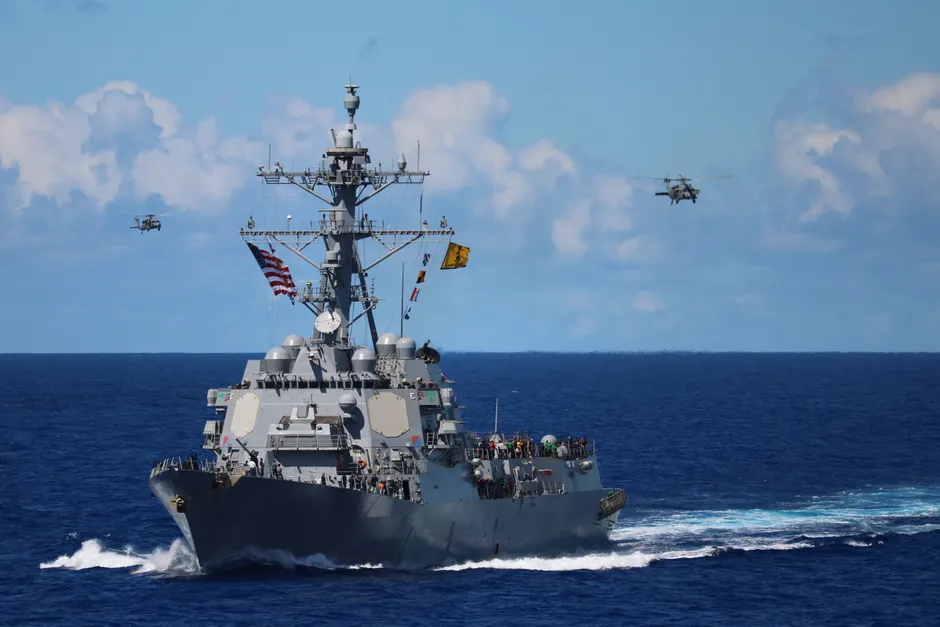
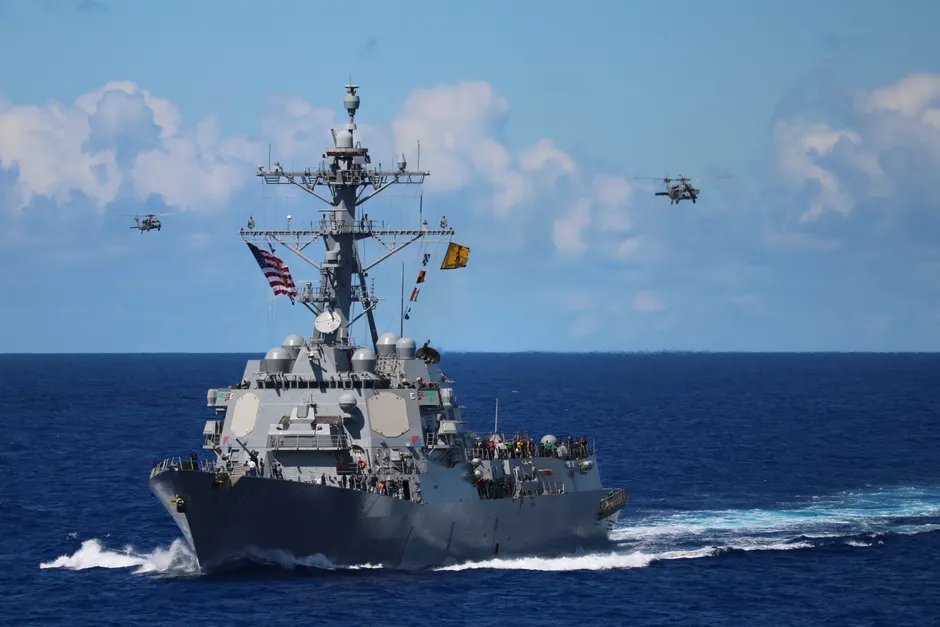
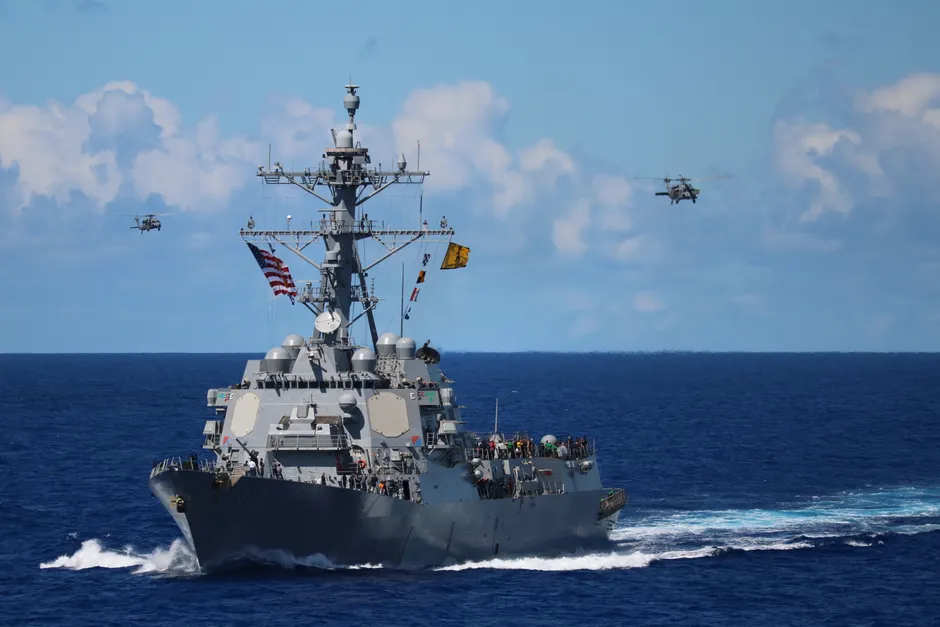
The US military confirmed the strikes and said they were meant to stop Iran from being able to threaten ships passing through the Strait of Hormuz — a narrow waterway between Iran and other Gulf countries where a huge amount of the world's oil is shipped. The US military said the first round of strikes on July 7 hit more than 80 targets, according to military announcements.
Trump said the strikes were punishment for an Iranian attack on three cargo ships on Tuesday. Trump said it involved Iranian drones and a missile. "If it happens again, it will get much worse!" he wrote online. He said the US would "probably hit them hard again tonight" but that it wouldn't be a long war.
Iran said it had attacked US military bases in Bahrain and Kuwait in response, according to Reuters. Iran claims that the ceasefire agreement gives it the right to control ships in the Strait. The US disagrees.
The ceasefire agreement was signed on June 17, 2026. It came after weeks of back-and-forth fighting. Around June 10, the US struck Iran, and Iran hit back at countries in the Gulf, according to AP. Fighting continued into June 11 before Trump said talks were going well and called a pause, per AP. Another attack on a tanker around June 27 led to more US strikes, and then both sides agreed to stop fighting and talk, according to Reuters. That peace lasted about ten days.
The US also removed a temporary permission that had let Iran sell oil to other countries. This was important because oil sales are a major source of money for Iran. Oil prices went up immediately: Brent crude (a type of oil) jumped more than 5% and closed at about $80 per barrel.
What's concerning is the pattern that keeps repeating: the US strikes, both sides pause for a few days or weeks, then fighting starts again. This has happened at least three times since early June, and each time the break gets shorter. The June ceasefire was supposed to stop the fighting and calm shipping in the Strait. It lasted barely three weeks. That suggests the real disagreement — who gets to control traffic through the Strait — was never actually solved. It was just put on pause.
Why this matters beyond just US and Iran: The Strait of Hormuz is where huge amounts of the world's oil gets shipped. When fighting breaks out there, people worry that oil shipments will get disrupted, so oil prices go up. This affects energy prices everywhere. And by removing Iran's ability to sell oil, the US removes one of the main reasons Iran might agree to another ceasefire.
This fighting also has effects far away. A Pentagon report said that fighting involving the US and Israel in Iran forced a delay in peace talks between the US, Ukraine, and Russia that were supposed to happen in Istanbul in March, according to a Defense Department report. That shows how a conflict in one part of the world can pull attention and resources away from solving problems in other parts.
Trump said this fighting won't become a long war. But whether that's true depends on two main things: whether Iran attacks ships again (which is what triggered these strikes), and whether Iran thinks it's better to keep fighting or give in now that it can't sell oil anymore.