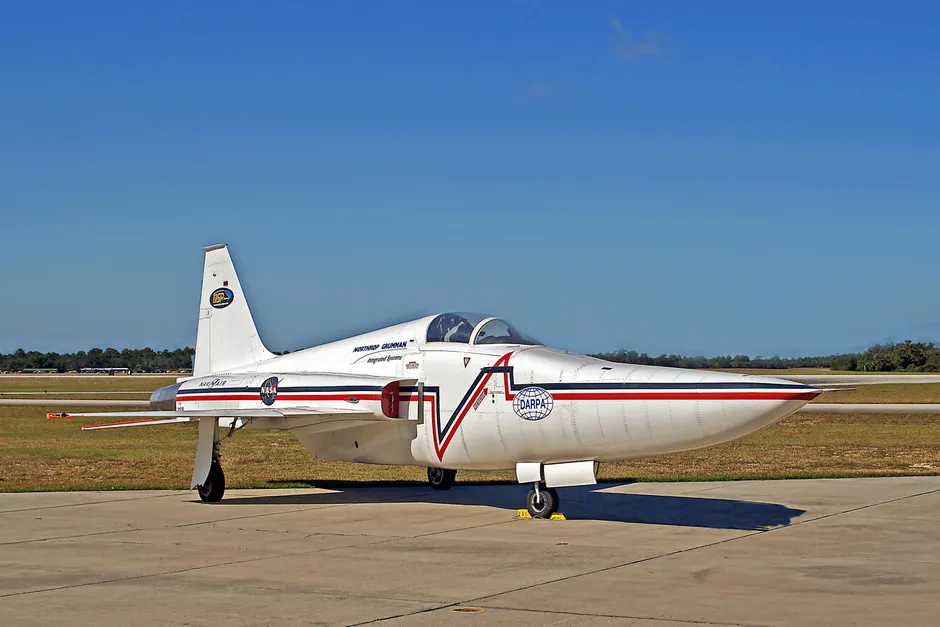
NASA's New X-70 Fractal Is a Plane Built to Test Flight Controls With a Pilot Aboard
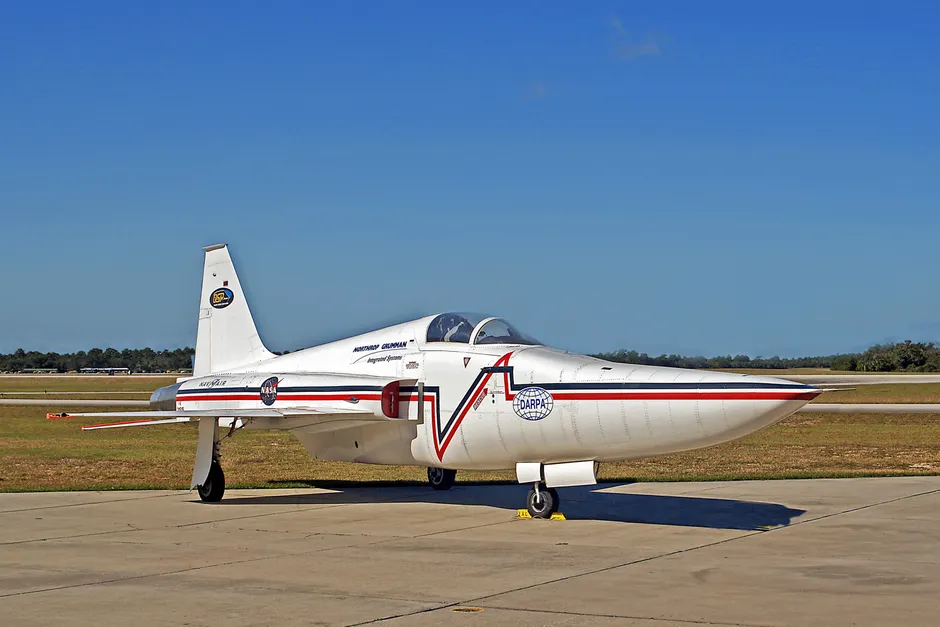
NASA has announced the X-70 Fractal, a new experimental aircraft that will carry a human pilot while it tests advanced flight technology. It is the latest addition to the agency's X-series, a family of research planes built to try out new ideas. Reporting on the announcement describes the details.
NASA calls the X-70 a crewed, high-performance research platform. In plain terms, it is a plane for testing new aviation technology, and someone will be flying it.
The aircraft is planned to cruise at Mach 0.75, about three-quarters the speed of sound. It should reach altitudes of up to 45,000 feet and fly more than about 1,726 miles. It can carry up to 2,000 pounds of experimental equipment, either inside the plane or attached to the outside. NASA's official release gives a takeoff weight of 10,000 pounds.
These numbers are design goals. The plane has not yet flown to prove them.
The most unusual part is the flight-control system. The X-70 is meant to use reconfigurable controls, which means the onboard computer can change how it moves the control surfaces, such as the wings and tail. That change could respond to a fault, to damage, or to a deliberately altered shape. Think of a driver who keeps a car steady after a tire blows by changing how they steer. The central goal is to test this with a human pilot aboard, not only in simulations or on an unmanned plane.
NASA Administrator Jared Isaacman said the X-70 gives the agency a crewed, high-performance platform for testing advanced flight control, maneuverability, and other new technologies in real flight.
NASA expects the first flight under its name within two years. That is a projection, not a confirmed date.
The official release is titled "NASA Announces X-70 Experimental Aircraft to Advance Flight Research." Coverage refers to the plane as the X-70 Fractal. Earlier X-planes were each built to answer a narrow set of questions about structures, engines, or controls.
In my view, what sets the X-70 apart is the mix of a pilot in the cockpit, room for 2,000 pounds of equipment, and reconfigurable controls. The payload allowance means new sensors or different control computers can be added without rebuilding the plane for each test. A pilot also provides information that computer models find hard to predict, such as how a person handles a plane whose controls have changed. The two-year target is the date to watch, because test schedules often slip, and that gap is where much of the technical risk tends to show up.
The broader context here is that test aircraft often influence designs far beyond their own flights. Control methods tried on a research plane can later reach commercial and military aircraft, which must be certified before use. For now, the announcement establishes a crewed research platform with stated performance targets, a defined research role, and a first flight expected within two years.