Serve Robotics Wants to Sell Its Robot Technology to Other Companies

Serve Robotics has launched a new business that will sell its technology to other companies that build robots. The company announced the unit, called Physical AI Services, on November 5, 2026, together with its third-quarter financial results. Serve trades on the Nasdaq stock exchange under the ticker SERV.
"Physical AI" refers to artificial intelligence that controls machines working in the real world. Serve calls the new unit its "AWS moment." AWS is Amazon Web Services, the cloud platform that rents computing power to businesses over the internet. Serve hopes to build the same kind of service for robots (TechCrunch).
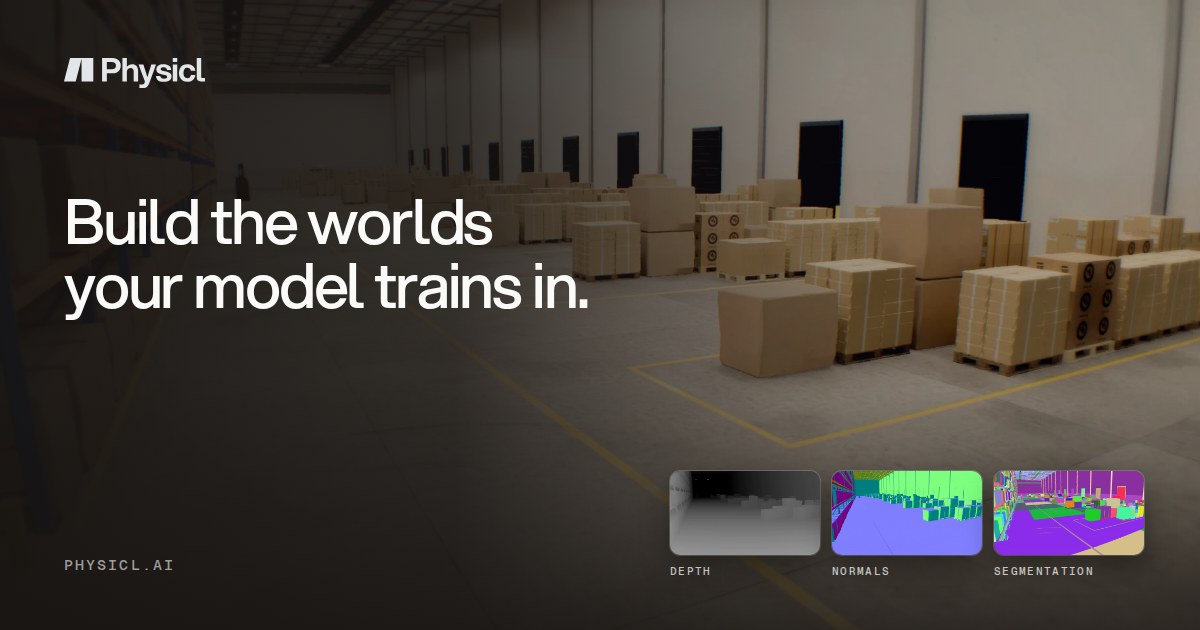
The new unit has three products. The first is Serve Link, which connects robots working in the field to AI systems running in data centers. The second is a data curator tool. The third is a catalog of real-world data for training large, general-purpose AI models, which other AI models can be built on. Companies that train robot AI need examples from the real world, such as camera and sensor readings. Computer simulations alone are not enough for that training, and the curator and catalog are meant to supply the real-world data.
Serve named Bedrock Robotics as a customer. Bedrock is a startup that develops self-driving systems for construction equipment. Serve is also working with T-Mobile to move AI computing power closer to robots. That means placing the computing at the edge of the network, near the machines, instead of relying only on distant central cloud facilities (TechCrunch).
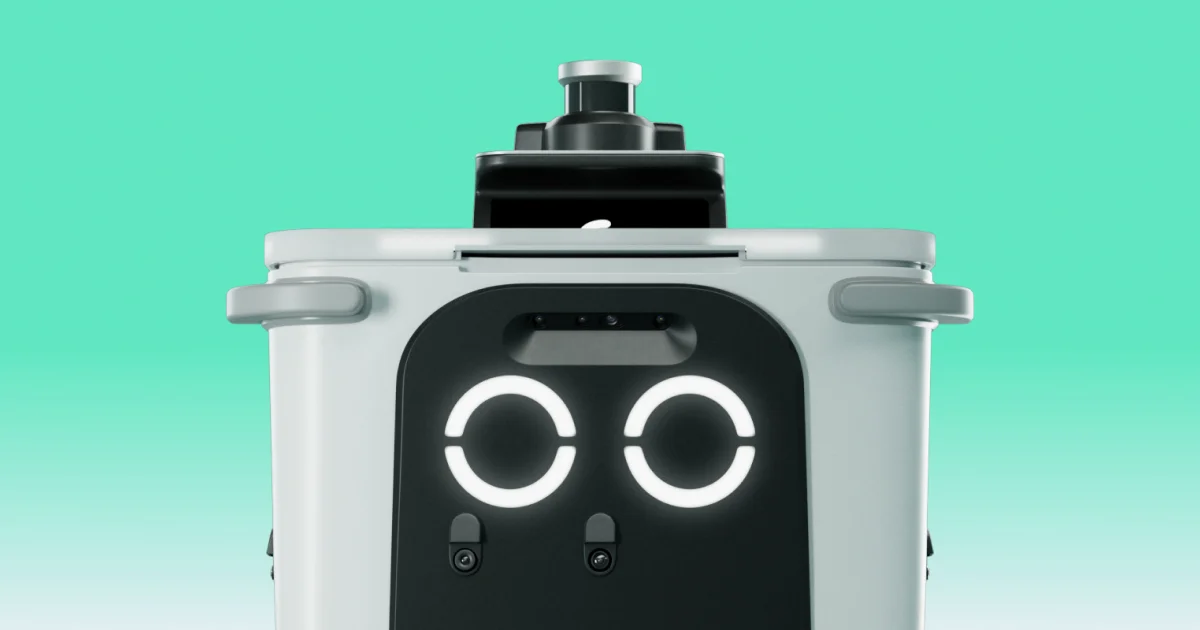
The new unit builds on changes Serve has made to its own business this year. Serve designs and operates autonomous robots that move through busy, human-centered spaces (Serve Robotics investor release). In January 2026 it announced a plan to acquire Diligent Robotics, which it linked to growing its physical AI work (Serve Robotics). In April 2026 it introduced a conversational robot that runs on edge AI. Its chief executive is Dr. Ali Kashani.
Serve spun out of Uber's acquisition of Postmates in 2021 and went public in 2024. It is best known for its sidewalk delivery robots.
Serve will hold a conference call at 2 p.m. PT (5 p.m. ET) on November 5 to review the third-quarter results (GlobeNewswire). Before the release, the average analyst forecast for third-quarter 2026 revenue was $1.65 million. The consensus forecast for the loss was $0.67 per share (Yahoo Finance). The company also said it would present at Evercore ISI's 5th Annual Automation Tech & Physical AI Conference.
In my view, the most important questions about Physical AI Services are practical ones. A platform sold to other robot builders has to earn their trust on who owns the data, how fast responses arrive, and whether the service stays online. Serve has an operating record with its delivery robots, but that record will count for less in construction and telecom work, where the integration work matters more.
The broader context is familiar to anyone who followed cloud computing. Cloud companies grew by taking tools they had built for their own use and renting them to others, much as a car rental company lets many drivers use cars that one owner would otherwise keep in a garage. The open question for robotics is whether very different machines, each with its own sensors and ways of failing, can be handled the same way. Serve is betting that a shared system for connectivity, data and AI training will lower the cost of building physical AI for everyone. If that works, robot builders could spend less time assembling that infrastructure themselves. Whether the platform can serve customers well beyond Serve's own robots is still an open question.