Skullcandy's New Headphones Put Bose Noise-Canceling Tech in a $270 Product

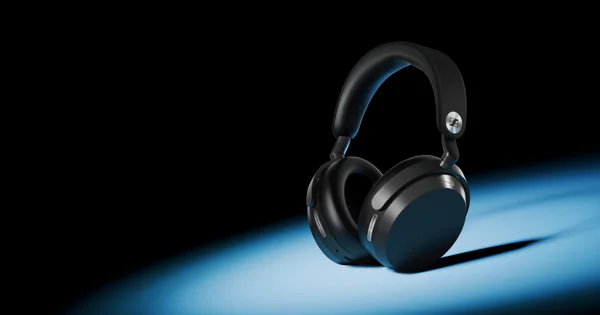
Skullcandy's Crusher 1080 headphones, reviewed by Engadget on July 16, 2026, pair the brand's signature bass-vibration system with Bose noise-cancellation technology. They cost $270 and are the second product in a partnership program called Bose Sound, which lets other headphone brands use Bose's technology. Engadget rated them 7.8 out of 10.
The headphones use three technologies from the Bose Sound program. The first is Bose QuietControl, which is active noise cancellation — tiny microphones on the headphones pick up outside noise and create an opposite sound wave to cancel it out, so you hear less of your surroundings. The second is TrueSpatial directional audio, which makes sound feel like it's coming from different directions around you. The third is WaveForm tuning, which is Bose's method of adjusting the sound to be as accurate as possible. Skullcandy's Method 360 ANC earbuds came before the Crusher 1080 in the same program. The partnership lets Skullcandy use Bose's noise-canceling and sound-processing technology while keeping its own design and the bass-vibration feature that has defined the Crusher line from the start. That feature literally shakes the headphones to let you feel deep bass sounds in your hands and head.
Battery life is a standout number: 50 hours with noise cancellation turned on, 60 hours with it off. The headphones support every common connection option for a 2026 release. Multipoint Bluetooth lets you connect to two devices at once, and Auracast support means the headphones can receive audio broadcast to multiple listeners at the same time, like a silent disco. Wired options include both a standard headphone jack (3.5mm) and USB-C. A phone app lets you adjust the sound balance to your liking, and wear detection automatically pauses music when you take the headphones off. Fast charging is included. The headphones also work with Google's Find Hub network so you can locate them if lost (Skullcandy).
The headphones use physical buttons rather than touch controls. A dedicated dial adjusts how strong the bass vibration feels. A single switch turns noise cancellation on or lets outside sound in, and cycles through four sound presets: Music, Podcast, Movie, and Custom. No touch controls are mentioned in the review.
Skullcandy teased the launch on July 13, 2026, via SoundGuys, scheduling the product launch for July 15. In the days before launch, the company's marketing described the upcoming headphones as "the greatest headphone ever" (TechRadar). That is a bold claim for a $270 product in a category where Sony's WH-1000X series and Bose's own QuietComfort line sit in the premium tier above $350.
The broader context here is what the Bose Sound program tells us about where the headphone industry is heading. Bose has always kept its noise-cancellation technology to itself, built only into Bose-branded products. The Sound program opens that technology to other brands at lower prices, which narrows the gap between a $270 Skullcandy product and a $400 Bose-branded alternative. Whether that hurts Bose's premium image or grows its business through licensing fees is a question the products alone cannot answer.
The 7.8 score from Engadget suggests a product that does well on features without fully standing out on sound quality or noise cancellation compared to what Sony and Bose offer at higher prices. The review, written by James Trew, does not link directly to a Skullcandy press release or official product page (Engadget).
For buyers spending under $300, the Crusher 1080's appeal is straightforward: Bose-derived noise cancellation, strong battery life, every modern connection option including Auracast, and a bass-vibration system that no competitor in this price range offers. The question is whether that combination outweighs whatever compromises exist in sound quality or noise-cancellation refinement, which the 7.8 score implies are present but not dealbreakers.