PSB's iQ2 Speakers Sound Great, Skip the Voice Assistant, and Cost $1,399
PSB's iQ2 wireless stereo speakers are priced at $1,399 and earned an 8-out-of-10 score from Engadget's review, published August 7, 2026. The speakers connect to each other wirelessly to create a stereo pair and have everything built in — amplification, a high-quality sound converter called a DAC, and streaming through a system called BluOS. They are designed around sound quality, not voice-assistant features.
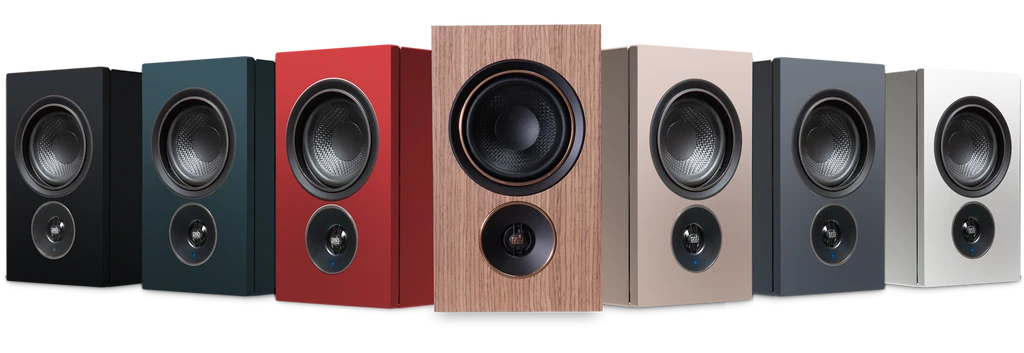
Inside each speaker is a small tweeter (which handles high sounds) made of 19mm aluminum dome, paired with a 100mm driver that handles mid and bass sounds, according to TechRadar's review published July 10, 2026. Each speaker measures about 9 x 6 inches and is meant to sit on a TV stand or desk. The two speakers connect wirelessly with no cable between them, but each one does need to be plugged into a wall outlet. PSB says the wireless link is designed to avoid audio delays or interruptions and allows more flexible placement than a wired setup. One of the two speakers acts as the main unit and has all the input ports plus touch controls on top for media playback and volume.
The speakers offer several ways to connect. Physical inputs include an HDMI port with a feature called eARC (which lets your TV send high-quality sound to the speakers through a single HDMI cable), a phono/line input (for connecting a turntable or other audio device), an optical input, and two USB ports — one regular and one Type-C. Wireless audio works through Bluetooth with aptX Adaptive, a technology that delivers better sound quality over Bluetooth than standard Bluetooth. The HDMI eARC input and the built-in phono stage are unusual for this type of product; most wireless bookshelf speakers treat TV and turntable connections as afterthoughts rather than giving them the same priority as other inputs.
Pricing depends on where you are. In the UK, the iQ2 costs £1,199; in Australia, about A$2,299. The iQ2 costs $300 more than PSB's iQ1 model, a difference GearPatrol attributed in its June 23 coverage to the wireless stereo link and the wider selection of colors — seven in total. PSB has also applied a new paint finish to the iQ2 that the company says resists fingerprints better and is more durable than finishes on older speakers.
Engadget's review praised the confident, spacious stereo sound, the HDMI eARC and phono connectivity, the wireless stereo setup, and a well-designed app. The downsides were the high price and the phono performance that did not impress. That last point is interesting because PSB is a 50-year-old loudspeaker company that describes its sound as "True to Nature" and lists musicality, value, and appearance as priorities.
The phono result is worth a closer look. When a speaker system advertises a phono input, it is implicitly reaching out to people who listen to vinyl records on a turntable. A phono input includes a small built-in amplifier that boosts the very weak signal coming from a turntable so the speakers can play it. If that built-in amplifier does not perform as well as the system's other inputs, buyers need to decide whether they see it as a handy extra or something they expect to use seriously. Someone who already has a separate, external phono amplifier and plugs into the line input instead may not notice the difference. Someone who expected the iQ2's built-in phono stage to replace a dedicated amplifier should pay attention to this review finding.
The more interesting decision is PSB's choice to treat the absence of a voice assistant as a selling point rather than a missing feature. The smart-speaker market has been dominated by Amazon Echo and Google Nest products that focus on voice interaction and connecting to other smart-home devices, with sound quality taking a back seat. The iQ2 flips that around. BluOS handles music streaming, aptX Adaptive handles Bluetooth, and HDMI eARC handles TV audio, but there is no microphone, no wake word, and no cloud-based assistant listening in. For buyers who already have a voice assistant somewhere else in the house — which is very common in 2026 — a speaker that does not add another always-listening device to the home network may feel like a benefit rather than a drawback.
The broader context here is a quiet splitting of the "smart speaker" category. The original idea was one device that handles voice commands, music, and smart-home control. That is giving way to products focused on specific jobs: TV audio, music listening, multi-room streaming, or voice control — rather than trying to do all of them. The iQ2 is firmly in the music-and-TV camp, with BluOS multi-room streaming tying things together and voice control left out on purpose.
For anyone weighing the iQ2, the value question comes down to three things: whether the wireless stereo pair performs without audio delays in real-world setups, whether the HDMI eARC input genuinely improves TV sound, and whether the $1,399 price is worth it given the underwhelming phono input. Engadget's 8-out-of-10 score suggests the first two are positives and the third depends on how much the buyer specifically cares about the phono feature. Seven color options and a tougher new finish round out a package aimed at someone who wants good-looking, all-in-one speakers without the clutter of separate components.