The UK Wants to Lock Teens Out of Social Media at Night — But They Can Turn It Off
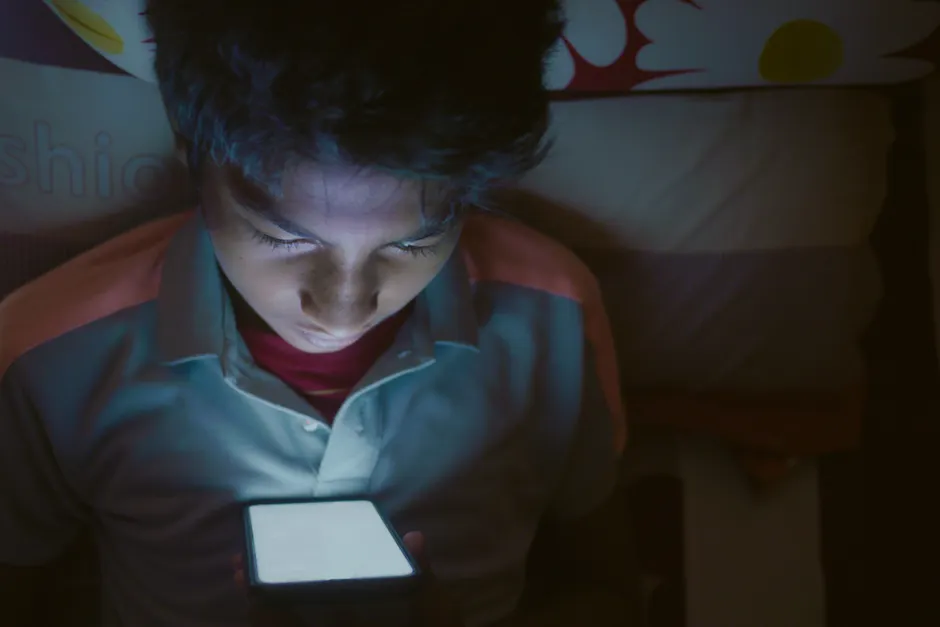
On 15 July 2026, the UK government announced a plan to block 16- and 17-year-olds from using Instagram, TikTok, YouTube, and Snapchat between midnight and 6am by default. The plan is voluntary, meaning teenagers or their parents can switch the lockout off. Secretary for Online Safety Kanishka Narayan unveiled the proposal, which would also turn off two features by default for the same age group: autoplay (which automatically plays the next video) and infinite scrolling (which loads content endlessly so you never reach a stopping point) (Al Jazeera; Euronews; GOV.UK).
This comes one month after outgoing Prime Minister Keir Starmer announced a full ban on social media for children under 16, set to start in 2027. Together, the two plans form a stepped approach: a strict ban for younger children and a softer, opt-in limit for older teens. Narayan told Sky News the government wanted a "smooth slope" into adulthood rather than outright bans for 16- and 17-year-olds (Al Jazeera).
The government's case relies on trial data. Narayan cited findings from restriction tests in which more than 90% of teenagers kept the restrictive settings on rather than turning them off. The government published the research behind these findings on 14 July 2026, covering three different approaches tested with 13-to-17-year-olds (GOV.UK research). One approach limited use to 15 minutes per day. Another imposed overnight-only restrictions.
The research also revealed a significant problem. Because overnight-only restrictions did not limit daytime or evening use, total social media consumption stayed about the same. This finding weakens the case that an overnight curfew can reduce overall screen time, even though the government points to the same trial's high opt-in rate as proof the approach works (GOV.UK research).
Criticism came quickly. Conservative Party education spokesperson Laura Trott called the plans illogical and ineffective because users can simply switch the settings off. The NSPCC, a major UK children's charity, welcomed the proposal but its CEO Chris Sherwood called it a "sticking plaster" that needs stronger measures to follow. The Children's Commissioner also issued a public statement on 15 July 2026 about the midnight curfew (Children's Commissioner).
Other countries are moving in similar directions. Australia brought in a social media ban for under-16s that took effect on 10 December 2025, becoming the first country to set a national age-based restriction of this kind. The UK's under-16 ban, laid out in a policy document published 14 July 2026, follows the Australian model. The curfew for 16- and 17-year-olds tries to find a middle ground between a full ban and no limits at all (GOV.UK policy document).
The broader concern is whether this approach actually changes behaviour. The government's own research found that overnight-only limits leave overall usage essentially unchanged. So while 90% of teens keeping the settings on sounds promising, that number measures whether they left the lockout enabled, not whether it changed how much time they actually spend on social media. If a teenager keeps the midnight-to-6am block on but simply scrolls during the day instead, the curfew may do little for sleep, wellbeing, or screen dependency.
This is the proposal's core weakness. The government is betting that combining the overnight lockout with the removal of autoplay and infinite scrolling will add up to healthier habits, even though the overnight restriction alone shows limited effect. Whether that bet pays off depends on details that have not been spelled out, including how platforms will check users' ages, whether a voluntary system will push reluctant companies to participate, and what tools the government has if platforms say no.
Timing matters too. The under-16 ban does not start until 2027, so the curfew enters a landscape still taking shape. If the voluntary model produces weak results, pressure for a mandatory curfew or tougher rules could grow, especially if the NSPCC's call for stronger measures gains support in Parliament. On the other hand, if platforms cooperate and few teens opt out, the government may argue that gentle nudges can replace outright bans.
The biggest unknown is how the platforms themselves will respond. Instagram, TikTok, YouTube, and Snapchat each operate under different rules in different countries and have made different promises about child safety. Whether they willingly adopt an overnight lockout in a major market like the UK without being forced by law will show whether companies can regulate themselves or whether new legislation is needed.


