The World's Biggest Chipmaker Is Pouring $100 Billion Into US Factories. Here's Why.
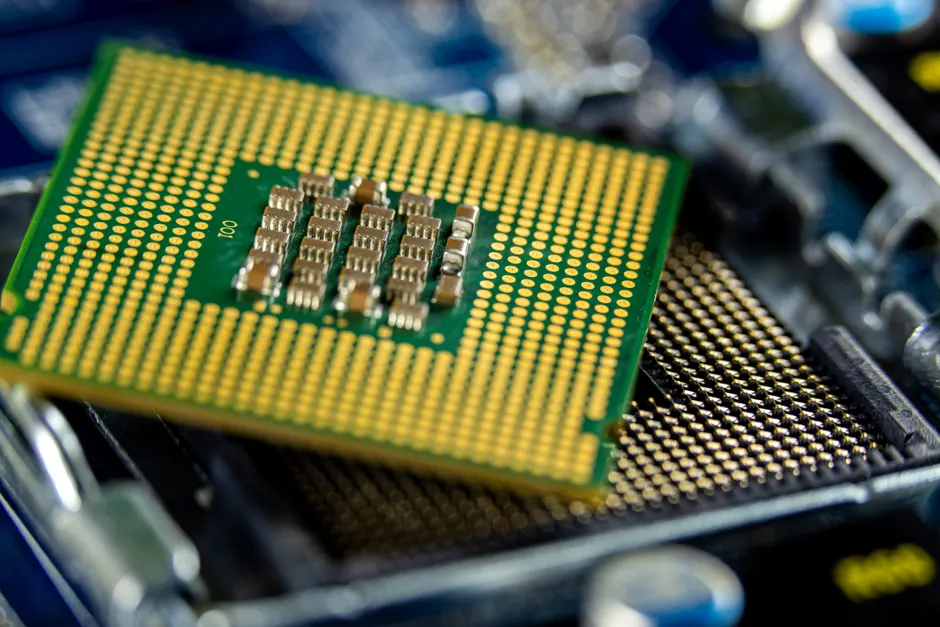
TSMC, the world's largest maker of computer chips, has confirmed it will invest an additional $100 billion in building chip factories in the United States. This is on top of eight plants the company is already building or planning across the country. The announcement was confirmed by US Commerce Secretary Howard Lutnick and independently reported by AP News. It adds three new chip factories and two advanced packaging facilities to TSMC's US operations BBC News; AP News.
A chip factory, or "fab," is where silicon wafers are turned into the tiny microchips that power everything from smartphones to cars to military equipment. TSMC's CEO, C.C. Wei, did not give a timeline for when the new factories would open. He told reporters the schedule would depend on the "market situation" BBC News. He described the investment as a way to build up the US chip industry, make supply chains more resilient, and create high-paying American jobs.
The $100 billion pledge was first announced by President Trump and TSMC together at the White House on March 3, 2025 Reuters. The plan's details — three factories plus two advanced packaging facilities — were laid out in TSMC's own press release the next day TSMC. TSMC's 2025 spending budget includes a small portion for this expansion, according to the company's first-quarter investor call TSMC Investor Relations.
Lutnick confirmed the figure and spoke about it in broad terms, saying it would "create tens of thousands of American jobs and bring advanced semiconductor manufacturing back to America" BBC News. President Trump has made domestic chip production a priority since the Covid-19 pandemic revealed how fragile global supply chains can be. He previously said TSMC's 2024 decision to expand in the US was driven by his threats to impose tariffs (taxes on imported goods) on Taiwan and on the global semiconductor business BBC News.
Trump went further in April 2025, saying he had told TSMC it would face a 100% tax if it did not build in the United States Reuters. In January 2025, the US agreed to cut tariffs on Taiwanese goods to 15% in exchange for hundreds of billions of dollars in investment aimed at boosting domestic chip production BBC News.
Taiwan's president and TSMC held a joint news conference in March 2025 to defend the $100 billion decision. It was an unusual move for both the company and its home government to appear together AP News. The joint appearance pointed to how politically sensitive TSMC's growing US commitments are in Taipei, given that the company is the world's largest chipmaker and plays a central role in Taiwan's economy Reuters.
The broader context here is a deliberate push by the US government to bring advanced chip manufacturing back to American soil. This effort has relied on a mix of pressure and incentives. On one side, the US lowered tariffs on Taiwanese goods to 15% in exchange for investment commitments. On the other, Trump openly threatened a 100% tax on TSMC if it refused to build in the US. This approach is different from earlier strategies that relied mainly on offering grants to attract chipmakers. TSMC's decision to commit an additional $100 billion suggests the pressure-and-incentive combination has worked in drawing investment. But Wei's refusal to set a timeline leaves real uncertainty about how quickly these factories will actually get built.
The advanced packaging facilities deserve a closer look. Advanced packaging is the process of combining multiple chips into a single unit so they work together more efficiently — think of it like assembling separate engine parts into one compact, high-performance motor. TSMC is a leader in this technology. Building packaging facilities in the US, alongside the new factories, would mean a deeper shift of TSMC's operations to American soil than factories alone would imply. But here too, the timeline remains undefined because of Wei's "market situation" caveat.
Taiwan's joint news conference with TSMC to defend the investment reveals the political pressure the deal has created at home. The worry is simple: TSMC's factories have always been concentrated in Taiwan, and each new wave of US expansion raises the question of whether the company's most advanced technology will stay on the island or gradually move to America. Taiwan's president publicly supporting the move suggests an effort to frame the investment as good for Taiwan rather than a concession made under tariff pressure.
The missing piece is a construction timeline. Wei's deferral to "market situation" means the build-out could stretch over many years, with new factories added based on demand rather than political deadlines.


