A Firefighter Is Accused of Starting the Fontainebleau Forest Fire. Here's What Happened.
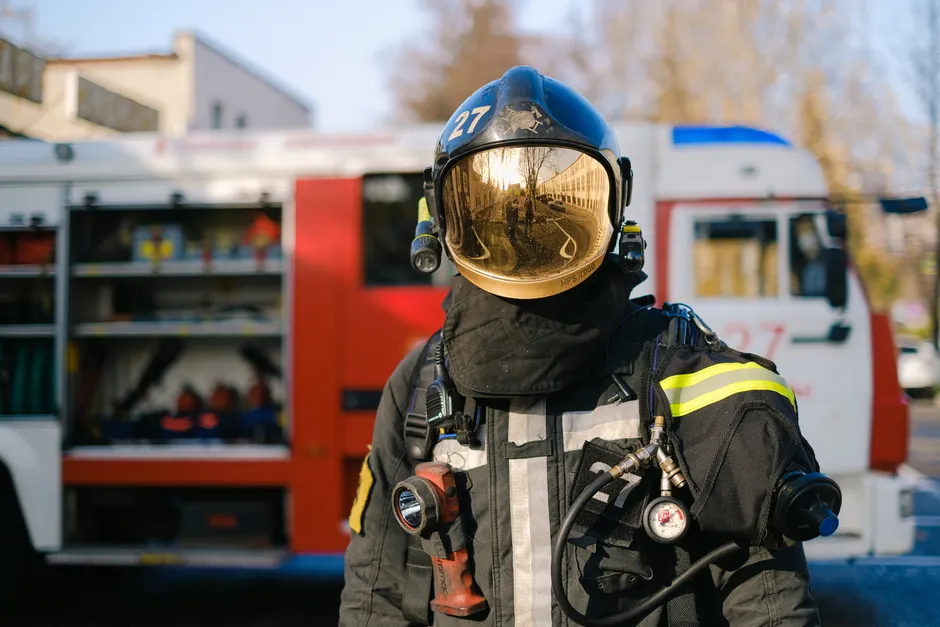
French police have arrested an 18-year-old volunteer firefighter on suspicion of starting the fire that swept through the Fontainebleau forest south of Paris, according to Prosecutor Diane Ngomsik, who spoke to AFP (BBC; Midi Libre). He initially admitted to lighting twigs with a lighter and petrol, but later took back that confession (BBC).
In France, when someone is placed under "formal investigation" (called mis en examen in French), it means a judge has found serious evidence linking them to a crime. Think of it as the French equivalent of being formally charged, though the process is led by a judge, not a prosecutor. The firefighter has also been sent to prison while the case continues, a status called écroué.
A second 18-year-old man was also placed under formal investigation in connection with the fire, according to BFMTV (BBC). As of the evening of July 15, four more people were still being held by police for questioning (AFP). BFMTV also reported that two suspects admitted involvement, and one was handed to a public prosecutor (BFMTV).
Firefighters said the blaze was "contained" as of July 15. It had forced the partial closure of France's main north-south motorway (France 24; BBC). President Macron said 10% of the forest had burned and that no one had been hurt so far (BBC). The forest is home to the Palace and Park of Fontainebleau, a UNESCO World Heritage site since 1981 (BBC).
France has seen nearly 11,000 fires since the start of the year, according to the same reporting (BBC). Le Monde published an analysis on July 16 looking at who starts forest fires in France, citing a prosecutor from the city of Perpignan (Le Monde). TF1Info had earlier reported that a volunteer firefighter admitted to starting the Fontainebleau fire (TF1Info).
The broader context here is twofold. First, the fact that a volunteer firefighter is the main suspect fits a pattern that French authorities have documented for years: a meaningful number of people who set forest fires have ties to firefighting. The Le Monde analysis published the same day as the charges reinforces this point. The retracted confession also complicates the case. French courts weigh early admissions against later withdrawals, so the investigation will now depend on physical evidence about how the fire started and whether the other suspects in custody confirm or contradict what was initially said.
Second, the fire's impact went beyond the forest itself. The partial closure of France's main north-south motorway shows how a forest fire near a major city can disrupt infrastructure far beyond the flames. Fontainebleau is not a remote area; it sits in the Île-de-France region around Paris, and the UNESCO-protected palace grounds inside the forest add cultural and political weight to the government's response. Macron's public mention of the 10% burn figure signals how seriously his government is treating the event, especially given the nearly 11,000 fires recorded nationwide since January.
The case now enters the judge-led investigation phase, where evidence is gathered against both formally investigated suspects. The four people still in police custody can be held for up to 48 hours under French law, after which they must either be released or brought before a magistrate. The volunteer firefighter will stay in prison while the investigation continues, a decision judges typically make when they worry someone might tamper with evidence, pressure witnesses, or flee.


