Italy Now Has a Law Helping Kids Escape Mafia Families
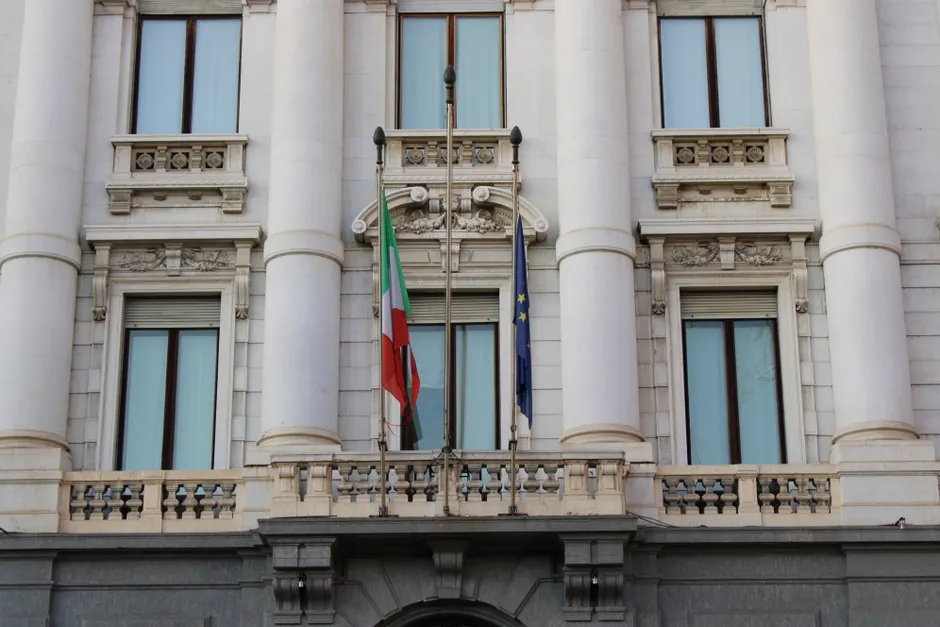
On July 15, 2026, Italy's Senate approved a new law designed to help children and close relatives of mafia bosses walk away from organized crime. The law, called 'Liberi di Scegliere' — Italian for 'Free to Choose' — lets people under 25 and family members of crime bosses get help moving to a new city, enrolling in new schools, and even getting new identities (The Guardian). The bill's official name in Italian is 'Liberi di scegliere. Misure per la protezione e l'assistenza dei soggetti minorenni e degli adulti di riferimento nei contesti di criminalità organizzata,' which translates to measures for protecting and assisting children and their caregivers in organized crime settings (Senate of Italy). Chiara Colosimo, the head of Italy's parliamentary anti-mafia commission, said about 400 children born into mafia families are expected to join the programme each year (The Guardian).
The idea did not come out of nowhere. A judge named Roberto Di Bella started a similar programme in 2011 when he took over the youth court in Reggio Calabria, a region in southern Italy known for its powerful crime networks (The Guardian). Before this law passed, the programme ran through an informal agreement signed in November 2019 between the local prosecutor's office and the youth court (UNODC). You can think of it like a pilot programme that proved itself in one region and was then expanded to the whole country.
The bill moved through Italy's Parliament — which, like the U.S. Congress, has two houses: the Chamber of Deputies (the lower house) and the Senate. A lawmaker named Ylenja Lucaselli guided the bill through the Chamber's Justice Committee. The committee held hearings on February 4 and March 11, 2026, then voted on changes on May 27. The Chamber approved the bill on July 1, 2026, in a bipartisan vote — meaning lawmakers from different political parties supported it together. The Senate then held its final vote on July 15. A presentation event was held at a historic hall in the Chamber called the Sala della Regina, where the President of the Chamber of Deputies gave a greeting. A related bill, Senate bill S. 1951, was still under committee review as of July 14, 2026.
People who fight organized crime in Italy welcomed the news. Don Luigi Ciotti, who founded Libera, one of Italy's best-known anti-mafia organizations, said he received the approval with 'enorme gioia' — great joy — and called the law a real tool for women and children trying to flee mafia families (La Via Libera).
The broader context here is that Italy has taken something that worked locally and made it a permanent national law. By guaranteeing new homes, new schools, and identity protection through legislation rather than relying on individual judges, the country has built a system that will outlast any one official's term in office. Colosimo's estimate of 400 participants per year gives the government a number to plan around for funding and staffing. The law also tackles a deeper problem: mafia power often passes from one generation to the next, because children born into crime families have no realistic way to leave. This programme gives them that option — not as a replacement for arresting criminals, but as an additional tool to break the cycle.


