Why Detroit, Minneapolis, and New York Had Some of the World's Worst Air This Week
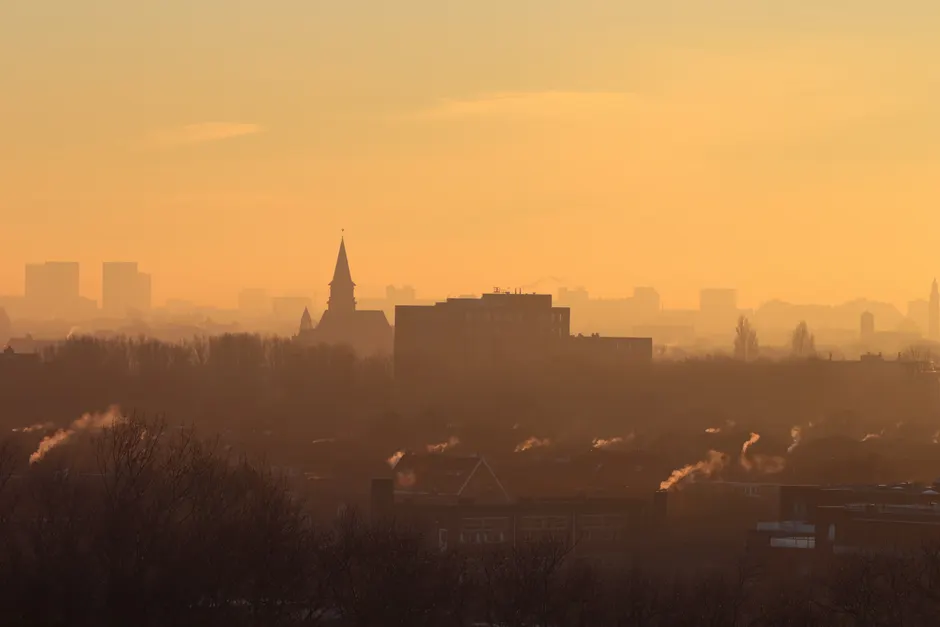
Detroit, Minneapolis, and New York ranked among the world's most polluted major cities on July 16, 2026. The cause: smoke from wildfires burning in Northern Ontario, Canada, drifted across the Great Lakes and into the US Northeast and Midwest IQAir.
The smoke reached Toronto first. Reuters reported on July 15, 2026 that Toronto's Air Quality Health Index hit 10+, the highest risk level, before the smoke continued south toward US cities Reuters. Hazardous air quality reached New York the same day and was expected to last through Thursday night, July 16 Reuters.
IQAir, a Swiss air quality tracking organization, takes real-time snapshots of pollution levels in cities around the world IQAir. It uses an Air Quality Index (AQI) that runs from 0–50 (Good) up to 301+ (Hazardous). The scale goes: 0–50 Good, 51–100 Moderate, 101–150 Unhealthy for Sensitive Groups, 151–200 Unhealthy, 201–300 Very Unhealthy, and 301+ Hazardous IQAir. Detroit, Minneapolis, and New York landing near the top of the list means they were in the upper, more dangerous tiers of that scale, though the exact AQI numbers for each city were not given in the alert.
The National Weather Service said wildfire smoke was affecting air quality across much of the Great Lakes region in a statement dated July 16, 2026 NWS. AirNow.gov, a US government air quality site, had posted a notice back on May 21, 2026 saying wildfire smoke was already affecting air quality in multiple states. The site offers a Fire and Smoke map so people can check ongoing conditions AirNow.gov.
For comparison, IQAir reports that the US average annual AQI is 40, which is considered Good, ranking the United States 84th out of 106 world cities IQAir. That baseline makes this event stand out: three major American cities showing up among the world's worst is a dramatic change from normal US air quality.
Here is how it works. Wildfire smoke carries tiny particles called PM2.5, which are 2.5 micrometers across or smaller. That is about 30 times thinner than a human hair. These particles are small enough to travel deep into your lungs when you breathe. Winds carried this particle-filled smoke southeast across the Great Lakes and into the heavily populated Northeast. Toronto, being closest to the fires, had the worst reading. The same body of smoke then moved further south and west, hitting Detroit, Minneapolis, and New York one after another.
What makes this event unusual is how widespread and how simultaneous it is. Three major US cities appearing among the world's most polluted at the same time does not happen often. The May 21 AirNow.gov notice suggests smoke impacts on US air quality started weeks earlier, so the July 16 snapshot is an intensification of an ongoing problem, not a one-time event.
The broader picture here is worth paying attention to. First, the duration: Reuters reported the New York impact was expected to last through Thursday night, meaning this is a multi-day problem, not a brief spike. Second, the pattern: the May notice and the July event together suggest a wildfire season with repeated waves of smoke, each one capable of pushing air quality into dangerous territory for people with breathing problems, outdoor workers, and everyday activity in affected cities.
The IQAir ranking is a real-time snapshot, not an annual average. Whether Detroit, Minneapolis, and New York stay on that list depends on whether the Ontario wildfires keep burning and which way the winds blow in the coming days.


