Why Did the Prime Minister Give the Mayor of London a Seat in Parliament's Second Chamber?
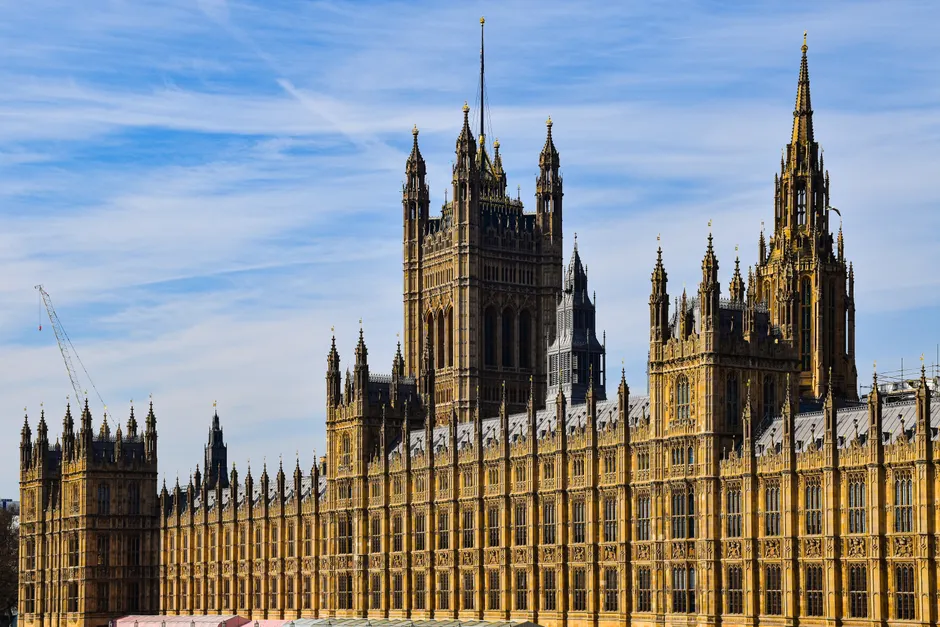
Prime Minister Keir Starmer has given London Mayor Sadiq Khan a seat in the House of Lords, announcing the appointment on Thursday, 16 July 2026 as part of a group of new nominations. This happened just days before Starmer leaves his job as prime minister, according to The Guardian.
The House of Lords is the UK Parliament's second chamber. Unlike members of the House of Commons, who are elected by voters, members of the Lords are appointed. They review and suggest changes to laws but do not have the final say. Downing Street sources have said Khan's appointment was part of a regular honours list, not connected to Starmer's departure. That matters because Starmer had hinted the previous week, around 9 July 2026, that he might hand out what are called "resignation honours" when he leaves. These are titles and Lords seats that an outgoing prime minister can give to allies and colleagues on their way out. Three years earlier, Starmer had promised he would not do this.
Khan was given a knighthood in 2025, the year before this Lords appointment. His move to the Lords follows a pattern set by Ben Houchen, the mayor of the Tees Valley area in northeast England, who was given a Lords seat in 2023 while still serving as mayor. Houchen's case showed that regional mayors can hold both jobs at once, and Khan now looks set to do the same.
Starmer has appointed more peers than any of the previous four prime ministers, according to The Guardian. That record sits awkwardly next to Labour's long-standing promise to reform the House of Lords, a tension that has been present throughout his time as prime minister.
The broader context here is about how the system works. While a body called the House of Lords Appointments Commission technically oversees who gets a seat, the prime minister of the day has a big say in practice. Outgoing leaders have long used honours lists to reward allies, and Starmer's reversal on his promise not to issue them puts him in a familiar tradition of leaders whose reforming goals bend once they are in office. It is a bit like a boss handing out promotions and corner offices to friends in their final week before retirement — within the rules, but bound to raise eyebrows. The question for Parliament and the public is whether the sheer number of his appointments, more than four previous prime ministers, is a deliberate plan to pack the Lords with Labour supporters or simply the usual favour-giving that comes with the end of a premiership.
Khan's new role also raises practical questions about doing two jobs at once. Houchen showed that being a mayor and a Lord at the same time is now an accepted path. But being mayor of London is a much bigger job than being mayor of the Tees Valley. How Khan splits his time between City Hall and Parliament, and whether voters and other Lords members object, will be something to watch once he takes his seat.
For Starmer, these appointments come at a sensitive moment. A prime minister's final actions are closely watched for what they say about loyalty and legacy. Giving a Lords seat to a well-known Labour mayor right as he opens the door to resignation honours invites criticism that he is putting political convenience ahead of principle. Whether that criticism sticks will depend in part on whether the other people he appoints in this batch are political allies or independent figures with strong records of public service.


